
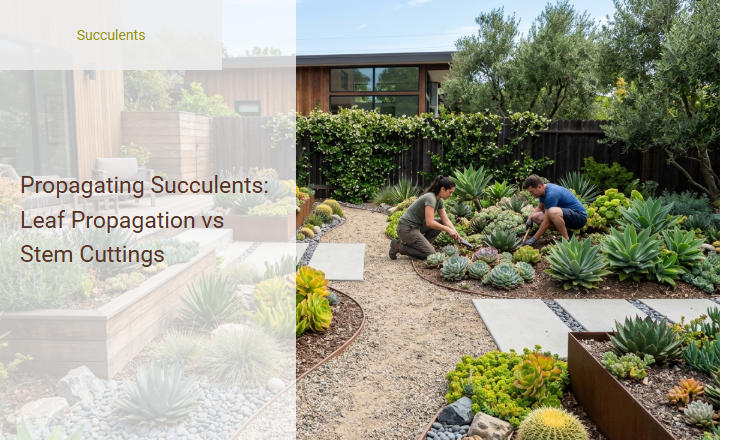
Succulent enthusiasts often face the frustration of watching a beloved specimen grow leggy and sparse, seemingly losing its compact, vibrant aesthetic despite careful watering. Before discarding these struggling plants, however, one must understand how these resilient species naturally regenerate in arid environments. Mastering the art of propagation unlocks the ability to endlessly multiply your collection for free, turning a single overgrown plant into dozens of thriving new starts.
To succeed, growers must recognize that propagation is an exercise in patience; results vary significantly based on botanical anatomy. For example, while Echeveria leaves readily sprout new rosettes, woody Jade plants (Crassula ovata) yield far better results from stem cuttings. In this comparative analysis, we evaluate the distinct mechanisms, timelines, and success rates of leaf propagation versus stem cuttings to help you choose the optimal method for your specific collection.
Introduction to Succulent Propagation
Expanding your plant family does not have to cost a fortune. Succulent propagation is an incredibly rewarding, cost-effective way to multiply your green collection using parts of your existing plants. Whether you choose leaf propagation or stem cuttings, you can witness the magic of nature firsthand as tiny roots and baby plants emerge from seemingly simple pieces. While leaf propagation is a slow, magical journey starting from a single fallen leaf, stem cuttings offer a faster path to a fully mature specimen by utilizing a larger portion of the parent plant.
By mastering these two primary techniques, you will unlock the potential to create dozens of new plants for your home or to share with friends. It is a satisfying hobby that transforms pruning and accidental drops into new beginnings, ensuring your succulent collection flourishes without stretching your budget.
What is Leaf Propagation?
Leaf propagation is a fascinating botanical phenomenon where a single, healthy leaf detached from a mother plant generates its own independent root system and a miniature clone of the parent. This occurs because succulents store moisture and nutrients in their fleshy leaves, which contain meristematic cells capable of initiating new growth. When the leaf is separated cleanly, these cells trigger the development of roots and a tiny new rosette at the base of the leaf.
While many succulents can grow from leaves, some varieties are far more successful than others. The best candidates for this method include:
- Echeveria - Known for high success rates and beautiful, symmetrical rosettes.
- Graptopetalum - Extremely resilient and quick to sprout new offsets.
- Sedum - Often drops leaves that root on their own with minimal effort.
- Kalanchoe - Particularly those that naturally produce tiny plantlets along their leaf margins.
Step-by-Step Leaf Propagation Guide
Starting a new plant from a single leaf requires patience and precision. Follow these chronological steps to maximize your propagation success rate:
- Take a clean pull: Gently wiggle a healthy, plump leaf side to side until it snaps off cleanly from the stem. Ensure no part of the leaf base is left on the stem, as a broken leaf will not survive.
- Let the wound callus: Place the detached leaf in a warm, dry area with indirect light. Leave it for three to five days until the raw end dries out and forms a protective callus to prevent rotting.
- Lay on soil: Place the calloused leaf flat on top of a well-draining succulent soil mix. Do not bury the leaf; the roots will naturally seek out moisture in the soil.
- Water selectively: Once roots begin to emerge, mist the soil lightly every few days or use a dropper to wet the soil directly near the roots. Avoid overwatering, as the mother leaf still provides nutrients to the growing pup.
- Remove the mother leaf: Over time, the original leaf will shrivel, turn brown, and fall off naturally. At this point, your new baby succulent is ready to be potted individually.
The Pros and Cons of Leaf Propagation
Understanding the balance between the benefits and challenges of propagating from leaves will help you manage your expectations and improve your outcomes.
| Advantages (Pros) | Disadvantages (Cons) |
|---|---|
| Extremely high yield, allowing you to grow dozens of plants from a single parent. | Very slow growth rate, taking months to achieve a mature size. |
| Zero impact on the visual appeal of the parent plant if naturally fallen leaves are used. | High risk of rot if the environment is too damp or the leaf is damaged during removal. |
| Requires minimal space and setup during the initial sprouting phase. | Lower overall success rate per individual leaf compared to stem cuttings. |
What is Stem Cutting Propagation?
Stem cutting propagation involves removing a portion of a succulent's stem, along with its attached foliage, to grow a brand new plant. This process is often initiated during routine pruning or when "beheading" leggy, stretched-out succulents. When you slice a stem, the cut stimulates hormone production, prompting the severed stem to grow new roots, while the remaining mother plant is encouraged to produce new offsets from the wounded node.
This method is highly reliable and is particularly effective for certain types of succulents, including:
- Crassula - Such as the popular Jade plant, which roots quickly from stem sections.
- Aeonium - Excellent candidates for beheading when they grow too tall.
- Sedum - Trailing varieties that easily establish new roots from stems.
- Senecio - Such as String of Pearls, which propagate rapidly from stem pieces.
Step-by-Step Stem Cutting Guide
Taking a stem cutting is a quick and effective way to secure a mature plant in a fraction of the time. Follow these steps for the best results:
- Make a clean cut: Use a sharp, sterilized knife or pruning shears to cut the stem. Ensure your cut is made just below a leaf node, leaving at least two inches of stem for planting.
- Strip lower leaves: Gently pluck off the leaves from the bottom inch of the cutting to expose the stem nodes where roots will emerge.
- Let the stem callus: Place the cutting in a dry, shaded area for several days. This allows the cut end to dry and seal, protecting the plant from fungal pathogens when buried.
- Plant in dry soil: Insert the calloused stem into a pot filled with dry, well-draining succulent soil. Gently press the soil around the stem to keep it upright.
- Water after rooting: Wait about one to two weeks before watering. You can gently tug the cutting; if you feel resistance, roots have formed, and you can begin a regular watering schedule.
The Pros and Cons of Stem Cutting Propagation
While stem cuttings are highly successful, weighing the pros and cons helps you decide if this invasive method is right for your collection.
| Advantages (Pros) | Disadvantages (Cons) |
|---|---|
| Rapid maturity rate, giving you an established, full-sized plant much quicker than leaves. | Produces fewer duplicate plants per specimen compared to harvesting individual leaves. |
| Extremely high success rate, as the cutting already has a robust stem structure. | Can temporarily damage the aesthetic appeal of the parent plant. |
| Ideal for correcting tall, leggy succulents that have stretched due to low light. | Requires sterile tools and careful cutting to avoid introducing pathogens. |
Leaf Propagation vs. Stem Cuttings: Head-to-Head Comparison
Choosing between leaf propagation and stem cuttings mostly depends on your patience, goals, and the specific succulent you are working with. Leaf propagation is the ultimate test of patience, rewarding growers with hundreds of tiny clones over several months. It is an ideal starting point for beginners who want to learn plant anatomy without risking the structural integrity of their favorite mother plants.
"While leaf propagation is a marathon of watching tiny cells transform, stem cuttings represent a sprint to an established, potted plant that can instantly beautify your space."
If you are looking for quick results or need to rescue a leggy, unhealthy plant, stem cuttings are the superior choice. This method provides an almost immediate addition to your garden and boasts a much higher success rate because the cutting already has a thick stem and stored hydration. Beginners looking for a foolproof, fast-paced project should start with stem cuttings, while those who enjoy watching the full lifecycle of a plant will find leaf propagation deeply satisfying.
Troubleshooting Common Propagation Issues
Even with the best care, propagation can sometimes run into roadblocks. Recognizing the warning signs early can save your young plants from failure:
- Overwatering and Rot: If your leaves or stems turn translucent, yellow, or mushy, they are receiving too much moisture. Stop watering immediately and ensure your potting mix has adequate drainage.
- Lack of Light: If new shoots grow tall, thin, and pale, they are stretching for light. Move your propagation tray to a spot with bright, indirect sunlight to encourage compact growth.
- Shriveling: While some shriveling is normal for the mother leaf, severe shriveling in a stem cutting means it is too dry. Mist the surrounding soil slightly to encourage root growth.
- Fungal Infections: White, fuzzy mold or black spots on wounds indicate fungal activity. Improve air circulation, reduce humidity, and ensure cuttings callus fully before introducing moisture.
Choosing the Right Method for Your Succulent Goals
Selecting the right propagation method depends on what you want to achieve in your indoor garden. If your goal is to grow a vast number of plants to give away as gifts and you do not mind waiting several months, leaf propagation is a wonderful pathway. It teaches patience and offers the thrill of watching a single leaf create new life. If you have rosette-style plants like Echeveria, this method is especially rewarding.
On the other hand, if you want to fix a leggy plant, prune an overgrown Jade, or quickly fill empty pots, stem cuttings are your best option. This method provides rapid root development and a sturdy, mature plant in just a few weeks. By understanding the unique strengths of both techniques, you can confidently choose the best approach for your specific succulent species and personal gardening timeline. Happy propagating, and enjoy watching your collection grow!
| Comparison Feature | Leaf Propagation | Stem Cuttings |
|---|---|---|
| Source Material | Individual leaf blade, petiole, or leaf section. | Stem segment containing at least one node/bud. |
| Development Speed | Slow; must generate both new roots and adventitious shoots. | Fast; utilizes existing nodes to quickly produce roots and foliage. |
| Multiplication Yield | High; dozens of new plants can source from a single donor. | Moderate; limited by the number of viable stem nodes available. |
| Genetic Fidelity | Risk of mutation; variegated plants often revert to solid green. | High; reliably preserves parental traits and variegation. |
| Target Plant Types | Succulents, African violets, Begonias, Sansevieria. | Vines, woody shrubs, herbs, most tropical houseplants. |

Leave a comment