
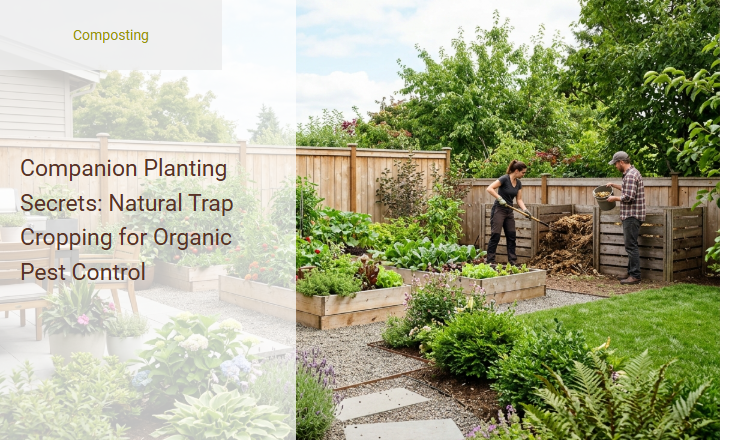
Guarding an organic garden against destructive pests often feels like an uphill, never-ending battle. Despite your best efforts, voracious insects can quickly decimate prized crops, leaving growers frustrated and seeking sustainable solutions. Rather than relying on constant manual removal or expensive organic sprays, successful horticulturists leverage natural biodiversity to safeguard their yields. By introducing specific sacrificial plants, you can effortlessly redirect pests away from your main harvest, securing a healthier, more bountiful garden with less labor.
However, effective trap cropping is not a random arrangement; it demands precise ecological timing and observation. For instance, planting vibrant nasturtiums to lure aphids away from your vulnerable tomatoes requires understanding both insect lifecycles and plant growth rates to ensure the decoy is attractive at the right moment.
This guide explores the strategic science of natural trap cropping. You will learn how to select the right companion pairings, master decoy placements, and establish a self-regulating pest defense system in your garden.
Read also: Diatomaceous Earth vs Neem Oil for Compost Pests
Introduction to Natural Trap Cropping
In the quest for a thriving, chemical-free garden, growers are increasingly turning to age-old ecological strategies. One of the most effective methods is trap cropping, a clever sacrificial planting strategy that redirects destructive insects away from your prized vegetables. By intentionally placing highly attractive plants nearby, you offer pests an irresistible alternative, ensuring your main crops remain untouched.
This method beautifully mimics natural ecosystems, where plant diversity prevents any single pest population from dominating. Instead of creating a sterile environment with synthetic chemicals, trap cropping establishes a dynamic balance, protecting your harvest while supporting the local environment.
The Science Behind the Decoy: How Trap Cropping Works
The success of this strategy relies on the intricate biological and chemical conversations happening within your garden. Plants naturally emit volatile organic compounds (VOCs), which act as airborne chemical signals. Many insect pests have evolved to locate their host plants by seeking out these specific scent profiles.
When you introduce a trap crop, you are selecting a plant that produces a much stronger, more alluring chemical signature than your primary vegetables. In addition to these chemical lures, pests are often drawn in by visual cues, such as the vibrant color wavelengths of specific flowers or the lush, broad leaves of the decoy plants. Once attracted to the decoy, the pests settle there, leaving your main crops to grow in peace.
Benefits of Integrating Sacrificial Plants
Integrating decoy plants into your garden plan offers deep ecological benefits that extend far beyond simple crop protection. By working with nature rather than against it, you can achieve a more resilient growing space.
- Reduced Chemical Use: Minimizes or completely eliminates the need for synthetic chemical pesticides, keeping your food pure and soil healthy.
- Increased Biodiversity: Introduces a wider variety of plant life, creating a more stable and complex garden ecosystem.
- Attraction of Beneficial Predators: Concentrated pest populations on trap crops provide a reliable food source for ladybugs, lacewings, and predatory wasps.
- Enhanced Garden Resilience: Promotes a self-regulating environment where pest outbreaks are naturally buffered and controlled.
Identifying Target Pests and Their Botanical Weaknesses
To build an effective defense system, you must match specific garden pests with the plant varieties they find most irresistible. This targeted approach ensures your decoy crops perform as intended.
| Target Pest | Vulnerable Main Crops | Highly Attractive Trap Crop |
|---|---|---|
| Aphids | Lettuce, Greens, Peppers | Nasturtium |
| Flea Beetles | Eggplant, Potatoes, Brassicas | Radish (especially Chinese Daikon) |
| Tomato Hornworms | Tomatoes, Eggplants | Dill or Flowering Tobacco |
| Stink Bugs | Tomatoes, Beans, Corn | Sunflowers |
Spatial Design: Perimeter vs. Interplanting Layouts
How you arrange your decoy plants determines how effectively they intercept hungry pests. There are two primary design layouts to consider based on your garden size and the specific pests you are managing.
Perimeter Decoy Borders
Also known as perimeter trap cropping, this layout involves planting a protective ring of sacrificial plants completely surrounding your main crop beds. This creates a physical and chemical barrier. Invading pests crawling or flying into your garden encounter the highly attractive outer border first, settling there before they can ever reach your valuable vegetables inside.
Mixed Row Interplanting
For smaller gardens or highly mobile pests, interplanting is often the superior choice. This strategy involves placing decoy plants in alternating rows or scattered clusters directly among your main crops. The localized presence of these highly aromatic companions ensures that any pest entering the immediate area is drawn away from the main vegetables and onto the designated sacrifice plants.
Top Five Essential Trap Crops for Every Organic Garden
- Nasturtiums: These vibrant, easy-to-grow flowers are absolute magnets for aphids, squash bugs, and whiteflies, keeping them far away from leafy greens and summer squashes.
- Sunflowers: With their towering height and massive blooms, sunflowers draw in stink bugs, leaf-footed bugs, and aphids, while providing sturdy support for climbing beneficial insects.
- Radishes: Quick-growing and hardy, radishes (especially the leafy tops of Daikon varieties) serve as the perfect decoy for flea beetles, protecting tender brassica seedlings.
- Blue Hubbard Squash: This vigorous winter squash is incredibly attractive to squash bugs, cucumber beetles, and vine borers, keeping delicate zucchini and melons safe.
- Chervil: A delicate herb that slugs find absolutely irresistible, making it a highly effective tool for gathering and removing these nocturnal pests before they damage your lettuces.
Managing the Decoys: When to Intervene
Simply planting trap crops is not enough; you must actively manage them to prevent them from becoming breeding grounds that overflow into your main garden beds. Timing is critical when monitoring pest populations on your decoy plants.
"To protect your harvest, inspect your trap crops regularly. When pest numbers peak but before the insects begin to reproduce heavily, action must be taken. Hand-collecting pests, utilizing a hand vacuum to gently remove them, or carefully cutting away and bagging infested foliage for disposal are highly effective ways to neutralize the threat before pests migrate."
Perfect Pairings: Matching Main Crops with Guard Plants
To help you get started, here are three highly effective companion pairings that leverage the natural preferences of common garden pests.
Tomatoes and Dill
Planting a perimeter of dill around your tomato patch is an excellent way to manage tomato hornworms. The hornworms are naturally drawn to the lush, feathery foliage of the dill, where they can be easily spotted and removed before they damage your ripening tomatoes.
Squash and Blue Hubbard
If you want to grow zucchini or yellow summer squash, plant a few seeds of Blue Hubbard squash nearby. Squash bugs and vine borers will flock to the Blue Hubbard, leaving your summer squashes free to produce abundant harvests.
Brassicas and Mustard Greens
Cabbage, broccoli, and kale can be kept safe from diamondback moths by planting a border of mustard greens. The moths prefer to lay their eggs on the pungent mustard foliage, shielding your primary brassicas from destructive caterpillar feeding.
Crucial Pitfalls to Avoid in Trap Cropping
While trap cropping is highly effective, certain common mistakes can undermine your efforts and unintentionally increase pest pressure in your garden.
- Planting Trap Crops Too Late: Decoys must be established and actively growing before your main crops attract pests, or they will fail to draw the insects away.
- Neglecting Pest Populations: Failing to monitor and clean your decoy plants can turn them into nursery sites, resulting in an explosion of pests that spills over onto your main crops.
- Incorrect Plant Pairing: Using a trap crop that attracts a pest your main crop is not susceptible to can introduce new problems to your garden space.
- Improper Disposal of Infested Foliage: Throwing heavily infested plants onto a cold compost pile can allow pests or their eggs to survive and return next spring.
Achieving Ecological Harmony in Your Backyard
Embracing trap cropping is a powerful step toward viewing your garden as a living, interconnected ecosystem rather than a battlefield. By working with the natural inclinations of insects, you create a self-regulating sanctuary that balances pest control with environmental stewardship.
As you watch ladybugs feast on aphids on your sacrificial nasturtiums while your nearby lettuces grow untouched, you will see the beauty of this holistic approach. Cultivating biodiversity fosters a balanced, self-sustaining backyard ecosystem where nature does the heavy lifting, leaving you to enjoy a bountiful, healthy harvest.
Summary
Companion Planting Secrets: Natural Trap Cropping for Organic Pest Control explores the innovative and eco-friendly gardening strategy of using decoy plants to safeguard valuable harvests. Instead of relying on harmful chemical pesticides, organic gardeners can strategically plant highly appealing "trap crops" to lure destructive insects away from their primary produce.
For instance, planting vibrant nasturtiums can effectively draw aphids away from delicate vegetables, while blue Hubbard squash serves as an excellent shield for crops like melons and cucumbers. This natural pest management system not only minimizes direct crop damage but also fosters biodiversity, attracts beneficial predatory insects, and supports a healthier, self-sustaining backyard ecosystem. By understanding pest behaviors and leveraging companion planting dynamics, gardeners can establish a robust, chemical-free defense system that works in perfect harmony with nature to ensure a bountiful and resilient harvest.
Leave a comment