
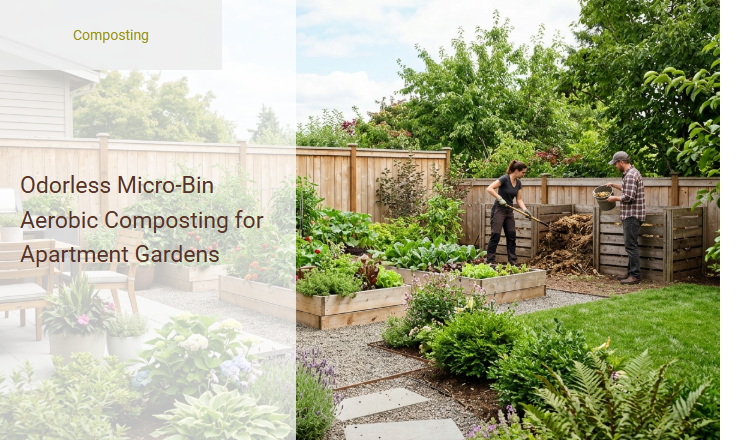
For apartment dwellers, the desire to recycle organic waste is often thwarted by the fear of foul odors, fruit flies, and bulky equipment in a limited living space. While traditional composting methods are designed for sprawling backyards, urban sustainability demands a more localized, compact approach to waste management.
Implementing a micro-bin aerobic system grants apartment gardeners access to nutrient-dense, homemade soil conditioner without sacrificing indoor air quality. However, success with this method relies on maintaining a strict balance of oxygen, moisture, and carbon-to-nitrogen ratios, rather than simply discarding scraps into a sealed container.
Utilizing everyday inputs like coffee grounds, crushed eggshells, and shredded cardboard yields a rich, earthy compost within weeks. This guide details the essential equipment, daily maintenance routines, and troubleshooting steps needed to master odor-free indoor composting.
Read also: Plastic Bins vs Fabric Bags for Small Spaces
The Urban Composting Revolution: Odorless Micro-Bins
Apartment living shouldn't mean sending organic waste directly to the landfill. The introduction of odorless micro-bin aerobic composting has changed the game for city dwellers. This innovative method provides a sustainable, space-saving solution that fits under any kitchen sink, allowing urban gardeners to recycle food scraps efficiently without any unpleasant odors or massive outdoor piles.
The Science of Odorless Aerobic Decomposition
The secret to odor-free indoor composting lies in the biological activity of oxygen-loving microorganisms. When these bacteria have access to ample oxygen, they undergo aerobic respiration, a chemical process that breaks down organic matter into carbon dioxide, water, and nutrient-rich compost. Unlike anaerobic decomposition-which occurs in oxygen-depleted environments and produces foul-smelling methane and sulfur compounds-aerobic systems remain completely fresh and earthy.
Selecting Your Perfect Micro-Bin Setup
Optimal Size and Ventilation
An apartment-friendly micro-bin should generally not exceed 5 gallons in volume. It requires strategic ventilation holes to ensure continuous airflow, along with a secure, fine-mesh lining to keep out any curious insects.
Leachate Management Features
A reliable bin should feature a false bottom or a small drainage spigot at the base. This allows you to collect and drain leachate, the excess liquid runoff, preventing the pile from becoming waterlogged.
Essential Ingredients: Carbon and Nitrogen
To build a successful compost pile inside a small apartment, you must feed your microbes a balanced diet of "greens" and "browns." Finely shredding these materials accelerates the decomposition process.
- Greens (Nitrogen-rich): Fruit peels, vegetable scraps, coffee grounds, and tea leaves.
- Browns (Carbon-rich): Shredded non-glossy paper, cardboard egg cartons, dry leaves, and sawdust.
Balancing the Recipe for Aerobic Success
Maintaining the perfect balance of carbon and nitrogen keeps the microbial population thriving and eliminates odors. Ideally, you want a volume ratio of roughly two parts brown material to one part green material. This ensures that the nitrogen compounds are quickly absorbed and processed.
The golden rule of micro-composting: Keep the mixture as damp as a wrung-out sponge, ensuring plenty of air pockets remain for oxygen circulation.
Step-by-Step Micro-Bin Activation
Initializing your micro-bin correctly sets the foundation for a highly efficient, odor-free decomposition cycle.
- Lay down a 2-inch base layer of dry, shredded cardboard or paper to absorb excess moisture.
- Add a thin layer of finely chopped green waste, such as kitchen scraps.
- Inoculate the bin by sprinkling a handful of active garden soil or commercial compost starter to introduce beneficial microbes.
- Cover the scraps completely with another layer of dry browns to trap odors and keep pests away.
Daily Maintenance and Aeration Routines
The Turning and Aeration Process
To keep the aerobic microbes active, use a small hand trowel to turn and fluff the compost. This physical turning redistributes oxygen throughout the bin. You should perform this task every to ensure optimal airflow.
Moisture and Temperature Audits
Conduct a quick visual check daily. If the bin feels dry, mist it lightly with water. If it looks too wet, mix in a handful of dry shredded paper. Monitoring these factors ensures your pile breaks down consistently without turning sour.
Troubleshooting Common Indoor Composting Issues
Occasional imbalances are normal in micro-composting, but they are easy to fix using non-toxic household materials.
| Issue | Root Cause | Easy Solution |
|---|---|---|
| Sour, putrid smell | Excess moisture / Lack of oxygen | Stir in dry shredded cardboard and aerate thoroughly. |
| Fruit flies | Exposed food scraps | Cover the top layer with a thick blanket of dry browns. |
| Decomposition stopped | Pile is too dry | Mist with water and add fresh nitrogen-rich kitchen scraps. |
Harvesting and Curing Your Apartment Compost
Knowing when your compost is ready is essential for successful indoor plant application. When the contents of your micro-bin turn into a uniform, crumbly material, it is time to harvest. Sift out any remaining large chunks of food scraps and return them to the active bin.
Allow the finished material to cure in a small, breathable container for two weeks. Your cured compost is ready when it exhibits a rich, earthy aroma and a deep, dark brown color, indicating that the nutrients have stabilized.
Nourishing Your Indoor and Balcony Plants
Once fully cured, your homemade compost becomes a nutrient-dense superfood for your apartment flora. Applying it correctly ensures healthy plant growth without creating any indoor mess.
Direct Soil Integration
Mix a small handful of cured compost into the top few inches of your potting soil. This slow-release organic fertilizer improves soil structure and water retention for container-bound plants.
Nutrient-Rich Compost Tea
Steep a cup of cured compost in water overnight to create a mild liquid fertilizer. Strain the liquid and use it to water your sensitive indoor tropicals and balcony herbs directly.
Summary
The article Odorless Micro-Bin Aerobic Composting for Apartment Gardens highlights a practical, space-saving solution for urban dwellers wishing to recycle organic waste without the unpleasant odors of traditional composting. While standard composting often struggles in confined spaces, micro-bin aerobic composting relies on oxygen-loving microbes to rapidly decompose kitchen scraps without generating foul smells.
By using small, well-ventilated bins, apartment gardeners can easily maintain the essential balance of nitrogen-rich "greens" (food scraps) and carbon-rich "browns" (shredded paper). Regular aeration through turning ensures the system remains active, aerobic, and completely odor-free. This efficient method allows city residents to divert waste from landfills and generate nutrient-dense, organic fertilizer right on their countertops or balconies, proving that sustainable, closed-loop gardening is highly achievable even in the smallest of living environments.
Leave a comment