
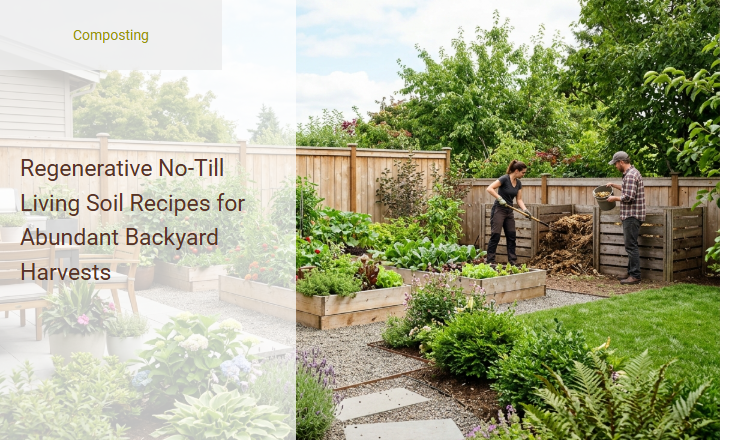
Many backyard gardeners face the frustrating cycle of compacted soil, yellowing leaves, and declining yields despite investing heavily in synthetic fertilizers and seasonal tilling. For decades, conventional gardening wisdom relied on aggressive soil disturbance and chemical inputs, a practice that ultimately strips the earth of its natural vitality.
Transitioning to a regenerative, no-till system grants your backyard an autonomous, self-sustaining ecosystem that unlocks explosive plant health and nutrient density. However, cultivating living soil is a process of biological stewardship rather than instant chemical manipulation; it requires patience to allow subterranean networks to mature over seasons.
By utilizing targeted, organic inputs such as worm castings, premium compost, and inoculants of mycorrhizal fungi, you can actively establish a resilient soil food web. In this guide, we will provide precise, step-by-step living soil recipes and management strategies to permanently transform your garden into an abundant, low-maintenance haven.
Read also: Oak Leaves vs Maple Leaves for Leaf Mold
The Foundations of Regenerative Living Soil
Regenerative no-till living soil represents a paradigm shift in home gardening, moving away from chemical dependencies and returning to the wisdom of nature. By mimicking the natural forest floor, this method fosters a diverse, self-sustaining underground ecosystem where plants thrive in harmony with nature. Instead of feeding the plant directly with synthetic inputs, we feed the soil, allowing a complex biological network to deliver nutrients naturally.
In a true forest, no one fertilizes or tills, yet life flourishes. Fallen leaves decompose, roots decay, and microscopic organisms work continuously to unlock locked-up minerals. When we recreate this environment in our backyard beds, we build a resilient soil structure that retains moisture, fights off pathogens, and produces robust, high-yielding crops without a single drop of artificial chemical fertilizers.
The Base Recipe: Crafting the Perfect Soil Structure
Creating your own living soil starts with a reliable, balanced foundation. The classic 1:1:1 recipe provides the ideal balance of moisture retention, aeration, and biological activity. By mixing equal parts of these three fundamental ingredients, you establish a physical environment where roots can breathe, grow, and easily access nutrients.
- Canadian Sphagnum Peat Moss: This serves as the organic base, offering exceptional water retention and a slightly acidic starting point that microbes love to colonize.
- Aeration Components: Utilizing porous rocks like pumice or lava rock keeps the soil fluffy and prevents compaction, ensuring vital oxygen reaches the root zone.
- High-Quality Compost or Worm Castings: This is the biological engine of your mix, introducing beneficial microbes, organic matter, and immediate nutrition.
Using diversified compost sources alongside rich worm castings ensures a wider variety of microbial life, setting your living soil up for long-term biological success.
Mineral and Nutrient Amendments: Powering the Soil
While the base mix provides structure and initial biology, amendments act as the long-term fuel source. These natural, slow-release materials break down over time, feeding the soil life which in turn feeds your plants.
Essential Organic Amendments
- Kelp Meal: Packed with micronutrients, trace minerals, and natural growth hormones to stimulate robust root development.
- Neem Cake: Provides organic nitrogen while offering natural pest-deterring properties directly through the root system.
- Crustacean Meal: Rich in nitrogen, phosphorus, calcium, and chitin, which triggers a plant's natural defense mechanisms against pests.
- Rock Dust: Supplies trace minerals and creates a physical home for microbes, mimicking the natural mineral cycle of glacial deposits.
- Gypsum: Delivers calcium and sulfur without altering soil pH, while improving soil structure and preventing compaction.
Activating the Soil Food Web: Inoculants and Microbes
A sterile soil is a dead soil. To unlock the full potential of your organic amendments, you must populate the environment with active, diverse biology. Introducing compost teas, indigenous microorganisms, and mycorrhizal fungi transforms static minerals into bioavailable nutrients that plant roots can readily absorb.
The true magic of regenerative gardening happens underground, where fungi and bacteria trade essential minerals for plant sugars in a perfect, biological marketplace. The Soil Food Web Paradigm
Mycorrhizal fungi extend the reach of root systems by hundreds of times, mining for deep water and locked phosphorus, while beneficial bacteria create a protective shield around the roots, keeping pathogenic organisms at bay.
The Curing Process: Preparing the Soil for Planting
Once you have combined your base ingredients, amendments, and microbial inoculants, you cannot plant into the mix immediately. This freshly mixed soil must go through a vital curing process, often referred to by organic growers as cooking. During this phase, microbes feast on the newly introduced organic matter, initiating a rapid cycle of decomposition.
This biological frenzy causes the temperature of the soil pile to heat up significantly, sometimes reaching temperatures that would easily damage young, tender roots. It is essential to let the soil rest and stabilize, keeping it lightly moist and covered for three to four weeks. You will know your living soil is ready when the heat dissipates, the temperature drops back down to match ambient conditions, and a pleasant, sweet earthy aroma replaces any sharp, raw smells.
The No-Till Principle: Protecting the Underground Network
Tillage is the single most disruptive action a gardener can take against soil biology. When you mechanical till or deeply spade the ground, you physically shred the vast networks of fungal hyphae that took weeks or months to establish. These microscopic threads act as the transport highways of the soil, moving moisture and nutrients exactly where they are needed most.
By practicing a strict no-till philosophy, you protect this delicate infrastructure, allowing it to grow stronger and more complex season after season. Undisturbed soil builds a stable aggregate structure that resists wind and water erosion, increases water infiltration, and naturally creates channels for plant roots to glide through. Over time, your soil becomes a highly organized living organism that requires less work and fewer inputs from you.
Cover Cropping and Living Mulches: Feeding the Underworld
In nature, bare soil is a sign of damage or distress. To keep your underground ecosystem thriving, you must protect the surface and keep a steady supply of energy flowing down to the microbes. Integrating cover crops and mulches ensures your soil remains active even when main crops are not growing.
Why Live Cover Matters
- Living Mulches: Fast-growing cover crops like clover and vetch act as a biological shield, keeping the soil surface cool, preventing evaporation, and protecting beneficial microbes from harsh sunlight.
- Sugar Pumps: Active roots constantly exude photosynthesized sugars, carbon, and amino acids directly into the rhizosphere, directly feeding the local microbial populations.
- Nitrogen Fixation: Legume cover crops form partnerships with rhizobia bacteria to pull nitrogen gas from the air and store it in the soil for future crops.
Watering Protocols for Living Soil Ecosystems
Watering a living soil system requires a shift in perspective. You are no longer just hydrating a plant; you are maintaining the delicate moisture levels required to keep billions of microscopic organisms alive. If the soil dries out completely, the fragile fungal networks die back, and bacteria go dormant, stopping the nutrient cycle in its tracks.
Conversely, overwatering drowns the soil, pushing out oxygen and creating anaerobic conditions that invite root rot and pathogens. To avoid this, apply water slowly and evenly, utilizing organic mulches to hold moisture in the upper layers of the soil where microbial activity is concentrated.
Seasonal Maintenance: Top-Dressing and Re-Amending
Because no-till practices forbid digging up the earth, maintaining nutrient levels between harvest cycles requires a top-down approach. Instead of turning the soil over and mixing in fertilizers, you simply mimic nature by applying organic matter directly to the soil surface.
- Worm Castings and Compost: Apply a generous layer of fresh castings to replenish immediate biological activity and plant-available nutrients.
- Dry Amendments: Sprinkle mineral and organic meals onto the surface to slowly break down and feed the next generation of crops.
- Mulch Replenishment: Cover the newly added nutrients with a fresh layer of straw or wood chips to protect the biological decay process.
Rain and biological activity will naturally carry these new nutrients deep into the root zone, keeping your living soil fully charged and productive year after year without disrupting the underground habitat.
Reaping the Rewards: Abundant, Nutrient-Dense Harvests
Investing the time to build and care for a regenerative no-till living soil yields compounding interest in your backyard garden. As the soil food web matures, the plants grown within this system develop profound natural vigor, leading to exceptional terpene profiles and elevated nutrient density in every harvest.
A thriving underground ecosystem equips your garden with natural pest resistance, as beneficial organisms keep pathogenic threats in check. Over time, you build a self-sustaining backyard ecosystem that requires less manual labor, fewer external inputs, and delivers abundant, flavorful produce for seasons to come.
Summary
"Regenerative No-Till Living Soil Recipes for Abundant Backyard Harvests" provides an essential guide for gardeners seeking to cultivate thriving, sustainable ecosystems in their own backyards. By shifting the focus from feeding plants to nurturing the soil, this approach avoids disruptive traditional tilling to protect the delicate soil food web.
The article offers practical, step-by-step recipes to build nutrient-rich "living soil" utilizing organic matter, high-quality compost, cover crops, and natural amendments like biochar and worm castings. These regenerative techniques foster a diverse microbiome of beneficial microbes and mycorrhizal fungi. Ultimately, adopting a no-till living soil system enhances water retention, improves pest resilience, and boosts crop nutrition. This sustainable methodology empowers backyard growers to achieve abundant, high-yield harvests while actively restoring the health of the earth beneath their feet.
Leave a comment