
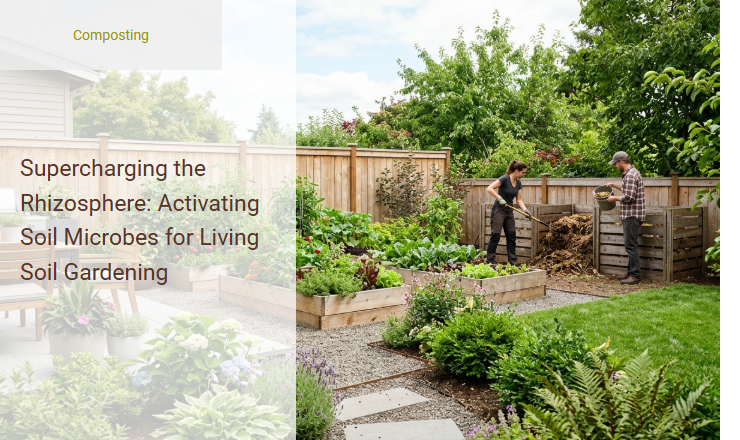
Many growers face the constant frustration of stagnant plant growth and mysterious nutrient deficiencies, despite consistently applying premium fertilizers. Before reaching for more bottled inputs, it is vital to recognize that soil is not merely an inert medium, but a complex biological matrix. Activating this underground network grants plants direct, on-demand access to vital nutrients, dramatically boosting natural resilience and crop quality.
However, establishing a living rhizosphere is not an overnight chemical quick-fix; it requires a deliberate, structured shift toward supporting biological systems over time. Introducing specific inoculants, such as mycorrhizal fungi and actively aerated compost teas, serves as concrete proof of how targeted biology can transform inert dirt into a self-sustaining ecosystem.
In this article, we will examine the science of soil microbes, detail the key beneficial organisms involved, and outline actionable strategies to permanently supercharge your garden's root zone.
Read also: Tap Water vs Rainwater for Pile Moisture
Introduction: Unveiling the Hidden World Beneath Our Feet
Beneath the surface of every garden lies a bustling, microscopic ecosystem known as the rhizosphere. This narrow zone of soil, directly influenced by root secretions and associated soil microorganisms, is the true heart of living soil gardening. While gardeners often focus on physical plant growth above ground, the key to unlocking a plant's true genetic potential lies in activating the trillions of microbes residing below. By fostering a lively rhizosphere, you transform inert dirt into a dynamic, self-sustaining ecosystem that fuels plant health and vigor from the ground up.
The Soil Food Web: Who is Who in the Underground Metropolis
The rhizosphere is not a solitary place; it is a densely populated metropolis where diverse organisms interact in a complex web of life. Understanding who lives in this underground world helps gardeners support these symbiotic relationships.
- Bacteria: The single-celled workhorses of the soil. They decompose simple organic compounds, lock nutrients into their cellular structures, and produce plant-growth-promoting hormones.
- Fungi: Specifically mycorrhizal fungi, which thread through the soil to form vast networks. They physically connect with plant roots, effectively extending the root surface area to transport water and phosphorus from far away.
- Protozoa: Larger, single-celled organisms that graze on bacteria. As they consume bacteria, they release excess nitrogen in a form that plants can easily absorb.
- Nematodes: Microscopic roundworms. Beneficial nematodes hunt down pests, while free-living nematodes consume bacteria and fungi, further accelerating the nutrient cycling process.
The Benefits: Why a Supercharged Rhizosphere Matters
When you actively manage and supercharge the biological activity in your soil, you unlock a cascade of benefits that directly translate to healthier, more resilient crops.
- Rapid Nutrient Cycling: Microbes break down organic matter, turning locked-up minerals into bioavailable forms that roots can readily absorb.
- Natural Disease Suppression: A diverse microbial population crowds out and actively combats harmful pathogens, preventing root rot and other soil-borne diseases.
- Enhanced Plant Immunity: Symbiotic microbes trigger systemic resistance within the plant, making it more capable of resisting pests and environmental stress.
- Improved Soil Structure: Fungal hyphae and bacterial slime bind soil particles together into stable aggregates, creating a spongy texture that retains both water and oxygen.
Fueling the Underground: Organic Matter and Carbon Sources
To keep this underground metropolis thriving, you must provide a steady supply of energy. Carbon is the primary food source for beneficial soil life, acting as the fuel that powers the entire rhizosphere.
Utilizing Green Manures and Cover Crops
Growing cover crops is one of the most effective ways to pump carbon directly into the soil. As these plants grow, they deposit carbon-rich compounds through their roots, keeping the microbial populations active even during the off-season.
"Feed the soil, and the soil will feed the plants. It all begins with returning organic carbon to the earth through high-quality compost, diverse mulches, and living roots."
Soil Inoculants: Introducing Beneficial Microbes to Your Garden
If your soil is depleted, compacted, or has been treated with harsh chemicals, you may need to reintroduce these vital organisms. Soil inoculants act as a jump-start for biological activity.
Compost Teas and Liquid Extracts
Brewing actively aerated compost tea allows you to multiply beneficial bacteria and fungi in a liquid solution, which can then be applied directly to the root zone for rapid colonization.
Mycorrhizal Inoculants
Applying concentrated spore powders of mycorrhizal fungi directly to seeds or root systems during transplanting ensures early, strong symbiotic partnerships that last the lifetime of the plant.
Chemical Cocktails: How Root Exudates Drive the Rhizosphere
Plants are not passive bystanders in the soil; they are active conductors of the subterranean orchestra. Through a process called exudation, plants pump out sophisticated chemical cocktails consisting of carbohydrates, amino acids, and specialized enzymes. These exudates are released into the rhizosphere with highly specific intent. When a plant requires phosphorus, it alters its exudate recipe to recruit phosphate-solubilizing bacteria. When under attack by pests, the root signals recruit protective fungal allies. This elegant biological feedback loop demonstrates that plants actively manage their own soil micro-environment.
Microbiome Killers: Practices to Avoid in Living Soil Gardening
Just as easily as we can build up the soil microbiome, we can inadvertently destroy it. Traditional gardening habits often disrupt this fragile underground balance.
- Synthetic Fertilizers: High-salt chemical fertilizers bypass the natural microbial loop, causing microbes to starve and encouraging roots to become lazy and underdeveloped.
- Chemical Pesticides and Fungicides: These non-selective chemicals kill beneficial insects, predatory nematodes, and crucial mycorrhizal fungi along with the target pests.
- Excessive Tillage: Physically turning the soil tears apart delicate fungal networks (hyphae) and exposes oxygen-sensitive microbes to the air, destroying soil structure.
Creating the Ideal Habitat: Managing Moisture, Oxygen, and Temperature
Microbes are living creatures that require the same basic necessities of life as we do: water, air, and shelter from extreme conditions.
Maintaining Aerobic Conditions
Most beneficial soil microbes are aerobic, meaning they require oxygen. Compacted or waterlogged soils quickly become anaerobic, encouraging pathogens and root-rotting organisms to take over.
Regulating Soil Temperature and Moisture
Applying a thick layer of organic mulch insulates the soil surface. This protects the active top layers of soil from drying out under the hot sun or freezing during sudden temperature drops.
Assessing Your Soil: Signs of a Healthy, Active Microbe Population
You do not need an expensive microscope to know if your biological management is working. There are several clear indicators of a healthy rhizosphere.
- The rich, earthy scent of geosmin, which indicates an abundance of beneficial actinobacteria.
- A dark, crumbly soil structure with visible aggregates that do not easily collapse when wet.
- The presence of a "rhizosheath"-soil that clings tightly to pulled plant roots, indicating active microbial glues are binding the soil to the root system.
- A high population of earthworms, which are the ultimate indicator of a thriving food web.
Cultivating the Future: The Long-Term Rewards of Living Soil
Shifting your focus from feeding the plant to nurturing the soil is a fundamental transformation in gardening. When we prioritize the health of the rhizosphere, we align our efforts with natural systems that have thrived for millions of years. Nurturing living soil is not a temporary fix; it is a long-term investment that builds fertility, resilience, and vitality year after year. By fostering these microscopic alliances, you create a self-sustaining sanctuary where plants reach their peak genetic potential naturally.
Summary
The article "Supercharging the Rhizosphere: Activating Soil Microbes for Living Soil Gardening" explores the vital role of the rhizosphere-the highly active zone of soil directly surrounding plant roots. By shifting focus from feeding plants directly with synthetic fertilizers to nurturing soil biology, gardeners can cultivate a thriving food web of beneficial bacteria, protozoa, and mycorrhizal fungi.
The piece outlines practical strategies to activate these microscopic allies, such as incorporating high-quality organic compost, applying aerated compost teas, utilizing diverse cover crops, and practicing no-till gardening to preserve delicate underground networks. Supercharging this subterranean ecosystem dramatically enhances nutrient uptake, improves soil water retention, and strengthens plant immunity against pests and diseases. Ultimately, fostering a diverse microbial community in the rhizosphere creates a resilient, self-sustaining garden that thrives naturally.
Leave a comment