
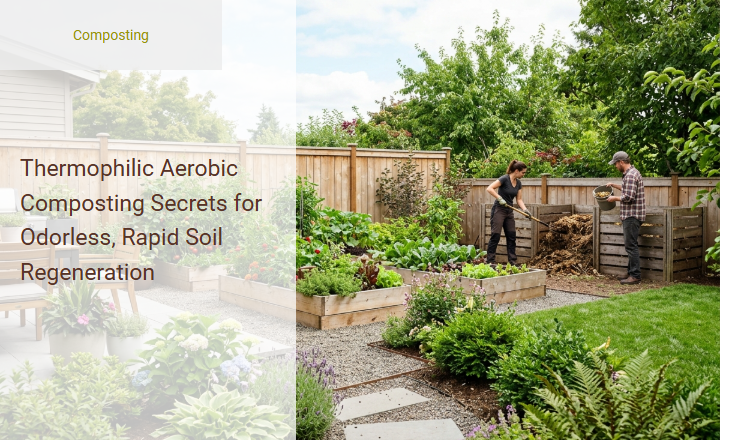
Many commercial growers and organic waste managers struggle with the foul, lingering odors and sluggish decomposition rates inherent to traditional disposal methods. To resolve this issue, we must first examine the biology of microbial respiration; standard passive piles often lapse into oxygen-depleted, anaerobic states that stall nutrient stabilization.
Transitioning to managed thermophilic aerobic composting grants operators a powerful dual advantage: complete pathogen destruction and a 70% reduction in processing cycle times. However, securing these rapid results stipulates strict adherence to precise operational parameters, specifically maintaining core temperatures between 135°F and 160°F alongside highly controlled moisture levels.
When applied to challenging feedstocks like nitrogen-rich dairy manure or high-volume food waste, this heat-driven biological process neutralizes volatile organic compounds almost instantly. In this guide, we will detail the essential aeration strategies, moisture-balancing formulas, and temperature monitoring protocols required to master this odorless, rapid soil regeneration system.
Read also: Greens vs Browns for Pile Balance
Introduction to Thermophilic Composting: The Science of Rapid Soil Regeneration
Thermophilic aerobic composting represents the pinnacle of organic waste recycling, transforming raw organic matter into dark, nutrient-dense humus in a fraction of the time required by traditional cold composting methods. This accelerated process relies on specialized, heat-loving microorganisms that thrive in high-temperature environments. By managing the biological needs of these microbes, we can unlock a rapid cycle of soil regeneration.
Unlike passive composting, which can take up to a year, the thermophilic method generates intense biological heat that speeds up chemical reactions. Thermophilic bacteria break down complex proteins, fats, and cellulose rapidly, leaving behind a highly stable, pathogen-free soil amendment. Mastering this biological engine allows growers to quickly restore depleted agricultural land, rebuild topsoil, and cycle nutrients with unmatched efficiency.
The Chemistry of Aeration: Why Proper Composting Never Smells
A common misconception is that rotting organic matter must naturally produce foul odors. In a properly managed thermophilic compost pile, the decomposition process is entirely aerobic, meaning it occurs in the presence of oxygen. Aerobic respiration by bacteria produces carbon dioxide, water, and heat as primary byproducts, resulting in a clean, earthy scent reminiscent of a forest floor.
When oxygen levels drop below a critical threshold, anaerobic bacteria take over the pile. These organisms decompose matter through fermentation, releasing volatile compounds such as hydrogen sulfide, ammonia, and methane, which are responsible for putrid smells. Keeping the pile aerated prevents these anaerobic zones from forming, ensuring that the biochemical pathways yield sweet-smelling humus rather than acidic, toxic compounds that can harm sensitive plant roots.
Balancing the Scale: The Ideal C:N Ratio for High-Heat Microbes
To sustain the rapid metabolic rates of thermophilic bacteria, you must provide them with a balanced diet of carbon and nitrogen. The optimal biological blueprint requires a Carbon-to-Nitrogen (C:N) ratio of approximately 30:1. When this balance is achieved, microbes have just enough carbon for cellular energy and enough nitrogen for protein synthesis and reproduction.
Achieving this ratio requires combining different organic inputs, traditionally categorized into two main groups:
- "Greens" (High Nitrogen): Materials such as fresh grass clippings, kitchen scraps, manure, and green garden waste that fuel microbial replication.
- "Browns" (High Carbon): Dry materials like straw, fallen leaves, wood chips, and shredded cardboard that provide structural stability and energy.
The Moisture Matrix: Keeping Your Pile Damp, Not Drowned
Microorganisms require a thin film of liquid water surrounding the organic particles to move, consume nutrients, and reproduce. Without adequate moisture, microbial activity stalls, and the pile cools down prematurely. Conversely, excess water fills the pore spaces between particles, driving out oxygen and plunging the system into an anaerobic, stagnant state.
The ideal moisture content for a thermophilic pile sits between 50% and 60% by weight. The most practical way to test this is the "wrung-out sponge" test. Take a handful of compost from the center of the pile and squeeze it firmly in your hand.
Igniting the Pile: Reaching and Maintaining the 135°F-160°F Sweet Spot
As microbial activity intensifies, the temperature of the compost pile rises through distinct phases. Initially, mesophilic bacteria dominate, raising the temperature to around 110°F. Once this threshold is crossed, heat-tolerant thermophilic bacteria take over, driving the temperature into the critical range of 135°F to 160°F.
Maintaining temperatures within this sweet spot for at least three consecutive days is crucial, as this level of biological heat effectively destroys human pathogens, plant diseases, and weed seeds, leaving behind a clean and safe biological product.
Temperatures should not be allowed to exceed 160°F, as extreme heat can kill off beneficial composting microbes and stall the decomposition process. Regular monitoring with a long-stem compost thermometer ensures the pile stays within the productive, safe temperature zone.
Turning Tactics: Aeration Methods That Feed the Heat
To keep the thermophilic engine running, the pile must be turned periodically to replenish depleted oxygen levels and move cooler outer materials into the high-heat center. This process prevents compaction, ensures even decomposition, and redistributes moisture throughout the mass.
The Berkeley method is a highly efficient active turning schedule designed to produce finished compost in as little as 18 days:
- Build the pile with a balanced C:N ratio and let it sit undisturbed for the first 4 days to allow the thermophilic phase to ignite.
- Turn the pile on day 4, moving the outer, undecomposed material to the center and the hot center material to the outside.
- Turn the pile every 2 days thereafter (days 6, 8, 10, 12, 14, 16, and 18) to keep oxygen levels maximized and sustain high metabolic heat.
Troubleshooting Guide: Diagnosing Temperature Drops and Odors
Even with careful planning, physical variations in materials or weather can disrupt the thermophilic process. Quickly diagnosing these issues keeps the decomposition timeline on track.
The Pile is Cold and Dry
- Add water evenly while turning the pile until it reaches the consistency of a wrung-out sponge.
- Incorporate more nitrogen-rich "greens" to stimulate biological activity.
The Pile is Cold and Wet
- Turn the pile immediately to introduce oxygen and let excess moisture evaporate.
- Mix in dry, coarse carbon materials like wood chips or dry straw to rebuild structural air pockets.
The Pile is Hot but Smells of Ammonia
- This indicates an excess of nitrogen. Incorporate more high-carbon "browns" to balance the ratio.
- Turn the pile to vent excess ammonia gas and allow air to circulate.
The Curing Stage: Transitioning High Heat to Living Humus
After the easily digestible sugars and proteins are consumed, the thermophilic bacteria deplete their primary food sources, and the temperature of the pile begins a natural, steady decline. This cooling marks the beginning of the crucial curing phase. During this period, lower-temperature mesophilic microbes, including specialized fungi and actinomycetes, recolonize the pile.
These organisms work slowly to decompose complex lignins and woody polymers, stabilizing the raw organic matter into mature humus. Curing allows the pH to neutralize, eliminates residual phytotoxic compounds, and builds a complex biological network of beneficial microorganisms. Skipping this phase and applying unfinished compost can stress plants, as the material is still actively decomposing and may rob the surrounding soil of nitrogen and oxygen.
Rapid Regeneration: Applying Your Supercharged Compost to the Soil
Once cured, the finished compost is a dark, crumbly, earthy-smelling substance rich in stable organic carbon and microbial life. Applying this supercharged compost to your soil introduces a highly diverse food web that unlocks bound nutrients, improves soil structure, and buffers plants against environmental stress.
In sandy soils, this biological humus acts like a sponge, dramatically increasing water-holding capacity and preventing nutrient leaching. In heavy clay soils, the structured aggregates in the compost open up macro-pores, improving aeration and water infiltration. Simply top-dress crop beds with a 1-to-2-inch layer of compost annually, or gently incorporate it into the root zone of new plantings to establish immediate biological activity.
The Future of Soil: Scaling Thermophilic Wisdom
Mastering thermophilic composting provides individuals, communities, and commercial farms with a powerful tool to combat soil degradation and reduce organic waste stream contributions. By actively redirecting food scraps, agricultural residues, and landscape waste into managed thermal piles, we close the nutrient loop locally, turning potential pollutants into valuable biological resources.
As agricultural systems face increasing pressure from climate variability and topsoil loss, the rapid regeneration of soil health is no longer a luxury, but a necessity. Utilizing the natural biology of heat-loving microbes allows us to rebuild living topsoil at an unprecedented pace, securing resilient food systems and healthier landscapes for generations to come.
Summary
Thermophilic aerobic composting is a highly efficient, high-temperature method designed to rapidly regenerate soil biology while eliminating the unpleasant odors associated with traditional decay. By maintaining optimal aeration, moisture, and a balanced carbon-to-nitrogen ratio, this process fosters a thriving environment for heat-loving microorganisms. These beneficial bacteria drive system temperatures up to 135°F to 160°F, which rapidly accelerates the decomposition of organic waste into nutrient-dense, microbiologically diverse humus in a fraction of the usual time. Crucially, this intense heat neutralizes weed seeds and harmful plant pathogens, ensuring a safe, high-quality soil amendment. Because the system remains strictly aerobic, it prevents the anaerobic conditions responsible for foul smells. Ultimately, mastering thermophilic composting provides farmers and gardeners with a fast, odorless, and highly effective tool for restoring depleted soils, enhancing water retention, and fostering robust plant growth.
Leave a comment