
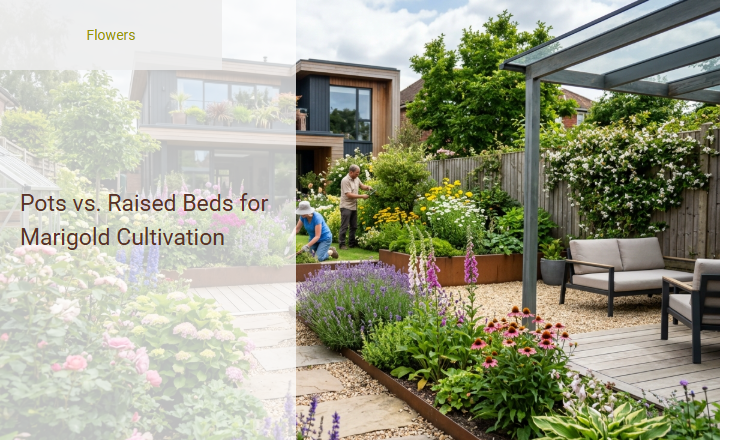
Deciding how to showcase the vibrant hues of marigolds often leaves gardeners frustrated, as poor drainage and restricted root space can quickly lead to subpar blooms and root rot. Before investing in premium seeds or fertilizers, one must first address the foundational architecture of the cultivation space. Optimizing this setup grants growers maximum pest-deterrent benefits and a continuous canopy of brilliant color throughout the season.
While marigolds are famously resilient, achieving exhibition-grade growth stipulates a precise alignment of container volume and soil moisture. For instance, compact French marigolds (Tagetes patula) thrive in the highly controlled drainage of patio pots, whereas robust African marigolds (Tagetes erecta) require the deep, stable root zones offered by raised beds to reach their full height and prevent lodging.
This analysis compares pots and raised beds across key performance metrics-including thermal regulation, moisture retention, and maintenance labor-to help you select the ideal cultivation method for your landscape.
Introduction to Marigold Cultivation Methods
Bright, cheerful, and remarkably resilient, marigolds are a staple of the summer garden. When planning your golden display, you face a fundamental choice: should you cultivate these vibrant blooms in portable containers or establish them in structured raised beds? Both methods offer unique advantages for nurturing healthy flowers, but they cater to very different gardening styles and spaces. Choosing the right approach depends on understanding how each environment impacts the growth of these beloved annuals.
Container gardening provides unparalleled flexibility, allowing you to move your plants to chase the sun or protect them from harsh weather. On the other hand, raised bed gardening offers a stable, deep-soil environment where marigolds can stretch their roots and thrive alongside companion plants. Making the right decision ensures your garden remains painted in brilliant shades of orange, yellow, and red all season long.
Key Growth Requirements for Healthy Marigolds
To successfully compare planting methods, we must first understand what marigolds need to flourish. These hardy plants are relatively low-maintenance, but they do have non-negotiable requirements to reach their full flowering potential. Providing these core elements prevents disease and encourages a continuous cycle of blossoms.
- Full Sunlight: Marigolds require at least six to eight hours of direct sunlight daily to produce abundant, saturated blooms.
- Excellent Drainage: These plants are highly susceptible to root rot; their roots must never sit in soggy, waterlogged soil.
- Adequate Spacing: Proper air circulation is vital. Depending on the variety, plants should be spaced 8 to 12 inches apart to prevent powdery mildew and other fungal issues.
- Nutrient-Rich, Loose Soil: A moderately fertile loam that allows roots to expand easily promotes the strongest plant structure.
The Advantages and Disadvantages of Growing Marigolds in Pots
Cultivating marigolds in pots is a highly popular option, especially for urban gardeners or those with limited outdoor space. This approach offers a controlled environment but comes with its own set of challenges.
The Benefits of Pot Cultivation
Growing in containers gives you total control over the plant's immediate surroundings. The main perks include:
- Mobility: You can easily move pots to chase optimal sunlight throughout the day or shelter plants from severe storms.
- Pest Isolation: Keeping marigolds off the ground helps protect them from crawling pests like slugs and snails.
- Design Versatility: Pots can be placed on balconies, steps, patios, or tucked into bare spots in garden borders.
The Drawbacks of Container Growing
While convenient, pots impose physical limitations that can restrict your plants. Consider these challenges:
- Restricted Root Growth: The limited volume of a pot can cause marigolds to become root-bound, limiting their ultimate size.
- Frequent Watering Requirements: Soil in pots dries out much faster than ground soil, requiring daily watering during peak summer heat.
- Nutrient Depletion: Frequent watering flushes essential nutrients out of the potting mix, requiring regular fertilizer applications.
The Pros and Cons of Raised Bed Marigold Gardening
Raised beds offer a semi-permanent gardening solution that combines the soil control of container gardening with the spaciousness of traditional in-ground planting.
Why Raised Beds Excel
For many horticulturists, raised beds represent the gold standard of flower cultivation. The key benefits include:
- Superior Soil Depth: Deep, loose soil allows marigold roots to spread wide and deep, resulting in larger, more robust plants.
- Exceptional Drainage: Gravity naturally pulls excess water down through the raised frame, reducing the risk of waterlogged roots.
- High Yield and Density: The abundant soil volume allows you to plant marigolds closer together or combine them with vegetables for a highly productive ecosystem.
The Challenges of Raised Beds
Despite their high performance, raised beds require a more significant commitment from the gardener:
- Permanent Location: Once built and filled, raised beds cannot be easily moved to accommodate changing sunlight patterns.
- Higher Initial Cost: Purchasing lumber, hardware, and bulk soil to fill the beds requires a larger upfront financial investment.
- Physical Setup Effort: Constructing the frames and shoveling heavy soil requires considerable physical labor at the start of the project.
Soil Dynamics: Potting Mix vs. Raised Bed Soil
The medium in which your marigolds grow determines how effectively they absorb nutrients and water. Containers require a specialized, lightweight medium because standard garden soil becomes heavily compacted when confined to a pot. Utilizing a high-quality potting mix-usually composed of peat moss, perlite, and pine bark-ensures the soil remains fluffy and aerated, allowing delicate marigold roots to breathe and thrive without suffocating.
In contrast, raised beds thrive on a heavier, more complex mixture of topsoil and organic compost. This combination excels at retaining natural microbial life, including beneficial fungi and earthworms, which establish a self-sustaining ecosystem. While potting mixes provide a sterile start, raised bed soils build long-term fertility that mimics natural ground soil while avoiding the compaction issues found in traditional flat garden plots.
Watering and Irrigation Strategies
Water management is critical when growing marigolds, as improper moisture levels can quickly invite fungal diseases. Because pots hold a relatively small volume of soil, they dry out rapidly under the hot sun. To prevent drought stress, container gardeners must water frequently-sometimes twice a day during heatwaves. To avoid root rot in pots, always ensure your containers have functional drainage holes and avoid letting the pots sit in standing water inside saucers.
Raised beds hold moisture much longer due to their larger soil mass, making them far more resilient during dry spells. However, their excellent drainage means water still flows away more freely than in flat ground gardens. When watering raised beds, utilize soaker hoses or drip irrigation at the base of the plants. This targeted approach keeps the marigold foliage dry, which is essential for preventing leaf spots and mildew, while delivering deep hydration directly to the root zone.
Pest Control and Weed Management Comparison
Every gardener must contend with pests and weeds, but the method you choose changes your defensive strategy. Both containers and raised beds offer distinct advantages for keeping your marigolds pristine and healthy.
- Pots and Slugs: Raising your plants off the ground in pots creates a physical barrier that deters crawl-up pests like snails, slugs, and cutworms.
- Weed Isolation in Containers: Because pots use sterilized potting mixes, they are virtually weed-free, saving you from the chore of pulling unwanted plants.
- Raised Beds and Companion Planting: Raised beds provide the space needed to plant marigolds alongside vegetables like tomatoes and peppers. The natural insect-repelling properties of marigolds help protect the entire bed from harmful nematodes and pests.
- Weed Suppression in Beds: While raised beds can occasionally catch wind-blown weed seeds, the height of the bed makes weeding physically easier, and heavy mulching can suppress weed growth almost entirely.
Maximizing Garden Space and Visual Appeal
Your choice of cultivation method heavily influences the visual design of your outdoor living area. Decorative pots offer a dynamic, artistic aesthetic, allowing you to use marigolds as bright pops of color on concrete patios, wooden decks, or front porches. Grouping containers of varying heights creates a lush, layered look that can be rearranged on a whim, turning even a small apartment balcony into a vibrant floral sanctuary.
Conversely, raised beds establish a clean, architectural structure in larger yards. They define garden pathways, create neat borders, and provide a sense of abundance with their sprawling, dense planting capacity. A raised bed overflowing with golden marigolds delivers a striking, permanent focal point that enhances the overall landscape design, showcasing a bountiful and organized harvest of blooms that commands attention from afar.
Cost, Setup, and Maintenance Overhead
Before planting your first seed, it is wise to weigh the resource investment each system demands. Containers are highly accessible, requiring a very low initial investment. You can easily start with affordable plastic or clay pots and a few bags of potting soil. Over time, however, pots can crack from frost, and the soil must be refreshed or replaced annually to prevent nutrient depletion, representing a recurring maintenance task.
Raised beds require a much larger upfront financial commitment and more intense physical setup. You must purchase wood, metal, or stone for the frames, along with bulk topsoil and compost to fill them. However, a well-built raised bed offers incredible longevity, lasting for decades with minimal structural upkeep. Once established, the physical effort shifts from heavy construction to light seasonal topping with compost, making them a highly efficient long-term investment for dedicated gardeners.
Final Verdict: Which Method Suits Your Marigold Garden?
Selecting the perfect home for your marigolds depends entirely on your personal resources, spatial availability, and long-term gardening aspirations. Both systems yield stunning, golden blossoms, but they serve different lifestyles.
Choose Container Gardening If:
You have limited space like a balcony or patio, want the freedom to rearrange your garden layout, prefer a low initial financial investment, and do not mind watering your plants more frequently during hot summer days.
Choose Raised Bed Gardening If:
You have a spacious yard, want to invest in a permanent garden feature, desire the highest possible flower yields, wish to practice companion planting with vegetables, and prefer a system that requires less frequent watering once established.
| Comparison Feature | Pots (Containers) | Raised Beds |
|---|---|---|
| Root Space & Plant Size | Restricted volume; produces smaller, compact marigolds. | Deep soil volume; yields larger, bushier plants with more blooms. |
| Moisture & Drainage | Dries out rapidly; requires frequent (often daily) watering. | Retains moisture longer while maintaining excellent drainage. |
| Companion Planting Utility | Limited space; best used as isolated accents or pest-repellent barriers on patios. | Ideal for interplanting; repels nematodes and pests for adjacent vegetables. |
| Mobility | High; easily relocated to optimize sunlight or protect from early frost. | Stationary; permanent infrastructure once filled with soil. |
| Soil & Weed Control | Requires 100% potting mix; virtually zero weed pressure. | Uses bulk soil/compost blends; minimal weed pressure compared to in-ground. |
Leave a comment