
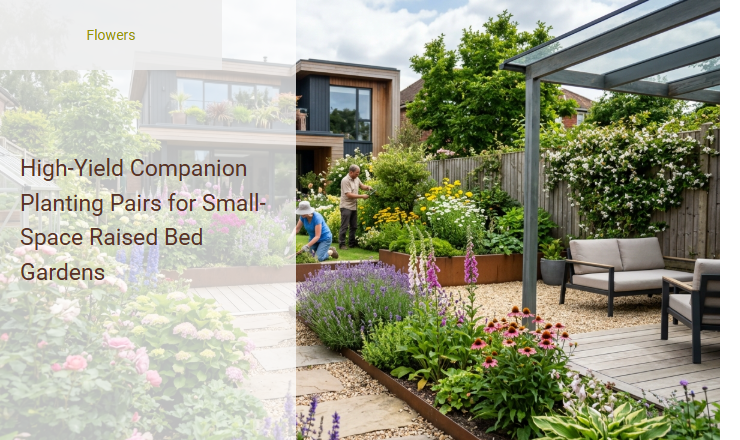
Maximizing edible output within a limited footprint is a constant challenge for backyard growers, often resulting in overcrowded soil, nutrient competition, and disappointing harvests. Before investing in expensive synthetic fertilizers, gardeners must first understand the spatial and biological dynamics of intensive root and canopy systems.
By leveraging natural symbiotic relationships, you can unlock significantly higher yields and natural pest protection from the exact same square footage. However, companion planting is not a magic cure; success stipulates that you still maintain optimal soil structure and targeted irrigation. When executed with precision-such as pairing heavy-feeding tomatoes with aromatic basil, or planting fast-harvest radishes to naturally thin the soil for slow-maturing carrots-these combinations maximize both vertical and subterranean space.
In this article, we will analyze the science behind these botanical partnerships and detail five high-yield companion pairs designed specifically to optimize your small-space raised beds.
Read also: Companion Planting vs Monoculture for Pest Deterrence
Maximizing Small Spaces with Companion Planting
Gardening in small raised beds requires a smart approach to space management. Companion planting is the practice of growing mutually beneficial plants close together to maximize productivity. By pairing plants that support each other, gardeners can leverage symbiotic relationships that naturally optimize soil nutrients, maximize crop yields, and deter common pests without chemical intervention. Within a limited footprint, this organic technique transforms a simple garden box into a self-sustaining ecosystem where every plant plays a vital role in the success of its neighbors.
Tomato and Basil: The Classic Flavor and Growth Boosters
Few garden pairings are as legendary as tomatoes and basil. When planted side-by-side, these two crops do more than just taste great on a plate; they actively improve each other's vitality in the soil. Basil acts as a natural shield, emitting strong aromatic compounds that repel devastating pests such as hornworms, thrips, and whiteflies. In turn, gardeners often report that tomatoes grown alongside basil exhibit improved vigor and a richer, sweeter flavor profile upon harvest.
Carrots and Radishes: The Underground Space Savers
To maximize the subterranean real estate of a small raised bed, look no further than carrots and radishes. Radishes grow rapidly, often ready for harvest in just three to four weeks. As they grow, their swelling roots naturally loosen and aerate the surrounding soil. By the time the slow-growing carrots begin to expand and need more room, the radishes are harvested, leaving behind perfectly conditioned, crumbly soil. This clever timing ensures double the harvest from a single row, utilizing every inch of root space efficiently.
Leafy Greens and Chives: Natural Pest Protection
Tender leafy greens like lettuce and spinach are highly susceptible to damage from hungry garden pests. Introducing chives into your salad beds creates an organic shield of protection. The pungent scent of chives masks the tempting smell of tender leaves, deterring several common threats:
- Aphids, which struggle to colonize the area
- Destructive beetles that feed on young foliage
- Rabbits looking for a quick, sweet snack
Climbing Beans and Sweet Corn: Vertical Partners
When horizontal ground space is scarce, planting upward is the ultimate solution. Climbing pole beans and sweet corn demonstrate a perfect vertical partnership. The sturdy stalks of sweet corn serve as strong, living trellises for the climbing beans, eliminating the need for artificial support structures. In return, the beans play a vital biochemical role: they fix nitrogen from the atmosphere into the soil, providing the heavy-feeding corn with the rich nutrients it requires for optimal growth.
Cucumbers and Nasturtiums: Pollinator Magnets and Ground Cover
Cucumbers thrive when paired with colorful nasturtiums. Nasturtiums serve as a highly effective trap crop, keeping damaging pests like squash bugs, cucumber beetles, and aphids away from the vines. Beyond protection, the bright, edible blooms of nasturtiums act as a powerful visual signal, drawing bees and other key pollinators straight to the garden bed. This increased pollinator activity ensures a high rate of fertilization for cucumber blossoms, leading to a much more abundant harvest.
Spinach and Strawberries: The Dynamic Groundcover Duo
Interplanting spinach around strawberry plants maximizes the efficiency of your berry patch. The broad leaves of spinach act as a highly effective living mulch. By casting shade over the open soil, spinach helps retain valuable soil moisture and suppresses weeds that would otherwise compete with shallow-rooted strawberries. In this damp, shaded environment, both crops thrive, delivering sweet fruits and crisp salad greens from the exact same footprint.
Peppers and Onions: Odor-Based Defense Systems
Peppers are prime targets for a variety of garden insects. Planting pungent onions alongside pepper crops creates a highly effective, odor-based defense system. The strong, sulfurous aroma of onions fills the air, effectively masking the scent of the pepper plants and confusing searching pests. This natural barrier keeps several dangerous threats away:
- Aphids looking to feed on tender new growth
- Cabbage loopers searching for egg-laying sites
- Weevils that target nightshade crops
Strategic Layouts for Small-Space Raised Beds
Designing a high-yield garden requires careful planning of where each plant sits. To prevent overcrowding, you must position crops to maximize light, water, and air flow.
Optimizing Sunlight and Structure
Always plant your tallest crops, like corn and climbing beans, on the north side of the raised bed. This placement ensures that these giants do not cast unwanted shadows over shorter, sun-loving plants like peppers and tomatoes during the peak hours of the day.
Root Depth and Airflow
Alternate deep-rooting vegetables with shallow-rooted ground covers to prevent root competition. Keeping plants spaced adequately also promotes healthy air circulation, which is critical for reducing the risk of fungal disease in dense plantings.
Harvesting Success from Companion Planting
By utilizing the natural partnerships of companion planting, you can transform a modest raised bed into a powerhouse of productivity. These symbiotic relationships allow you to maximize yields, build healthy soil, and deter pests without relying on chemical sprays. Designing your garden with these botanical alliances in mind changes how you look at small-space gardening. Start planning your layout today to set your upcoming growing season up for its most bountiful harvest yet.
Summary
Maximizing harvest in a small-space raised bed garden requires strategic planning, and companion planting is the ultimate tool for success. By pairing mutually beneficial plants, gardeners can optimize space, naturally deter pests, and improve soil health without relying on chemical interventions. This article explores high-yield companion planting combinations tailored specifically for compact raised beds.
Classic pairings like tomatoes and basil not only enhance flavor but also repel destructive insects. Quick-growing radishes can be sown alongside slower-maturing carrots to naturally loosen the soil and maximize space utilization. Additionally, utilizing vertical space by pairing climbing beans with corn and squash-the traditional "Three Sisters" method-demonstrates how structural support and natural mulching can dramatically boost productivity. Implementing these thoughtful plant partnerships ensures a thriving, biodiverse, and highly productive backyard garden, proving that limited space is no barrier to a bountiful harvest.
Leave a comment