
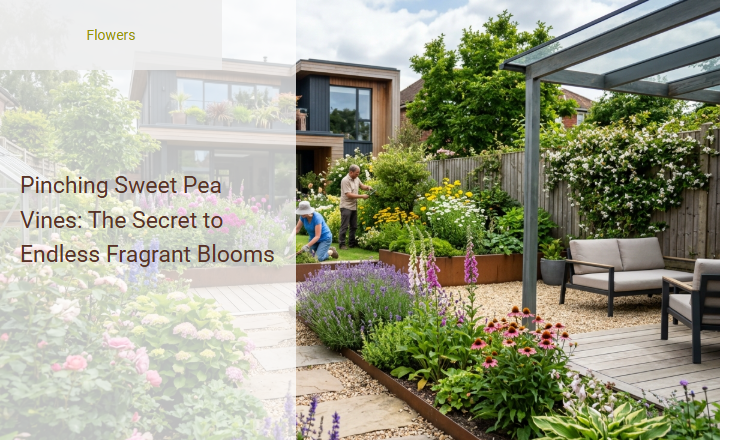
Watching your sweet peas grow tall but spindly, only to yield a few sparse blossoms, is a common frustration for home gardeners. Before addressing flower production, however, we must understand the natural growth habits of Lathyrus odoratus. Left untouched, these climbing vines instinctively prioritize single-stem vertical height over lateral branching.
Fortunately, a simple pruning intervention unlocks a cascade of continuous, highly fragrant blooms, transforming sparse vines into a lush, aromatic display. While this technique is highly effective, it comes with a stipulation: timing is critical, as pinching too late can temporarily stall development. For example, snipping the central leader of a young seedling just above the third leaf node immediately forces the plant to divert energy into robust side shoots.
This article will guide you through the precise timing, step-by-step pinching techniques, and ongoing care required to maximize your sweet pea harvest this season.
Read also: Trellis vs Tomato Cage for Climbing Sweet Peas
Introduction to the Magic of Sweet Peas
Sweet peas are the undisputed jewels of the spring and early summer garden, treasured for their delicate, ruffled blossoms and an enchanting fragrance that fills the warm breeze. To truly unlock their spectacular floral potential, seasoned growers rely on a simple yet transformative gardening secret: pinching. By mastering this easy technique, you can guide your young seedlings to grow into robust, heavily branched vines cascading with an abundance of sweet-scented blooms.
What Exactly is Pinching?
For beginners, the term pinching might sound slightly counterintuitive or even damaging to a young, fragile plant. In reality, it is a gentle and highly effective pruning method where you remove the very top growing tip of a young vine. This deliberate act stops upward growth temporarily, encouraging the plant to redirect its energy outward rather than upward, turning a single, lanky stem into a sturdy, multi-branched powerhouse.
The Incredible Benefits of Pinching
Taking the time to pinch your sweet pea seedlings yields remarkable results that will elevate your entire gardening season. When you pinch, you unlock several key advantages:
- Stronger Root Systems: Redirecting energy downward allows the plant to establish a robust foundation below the soil.
- Bushier Growth Habit: Instead of a single weak vine, you get multiple strong lateral branches that fill out your trellis beautifully.
- An Abundance of Fragrant Flowers: More branches mean more flowering nodes, resulting in a dramatic increase in sweet-scented blossoms.
The Botanical Science Behind Pinching
The magic of this technique lies in understanding a natural plant hormone process called apical dominance. In an unpinched plant, the main central stem produces chemical signals that actively suppress the growth of side buds. By carefully removing this dominant tip, you disrupt the hormone flow and send an immediate signal to dormant buds along the stem. These side buds then awaken and rapidly develop into healthy, productive lateral shoots.
When is the Perfect Time to Pinch?
Timing is critical when preparing to prune your young vines. The ideal moment to pinch sweet pea seedlings is when they have reached a height of about three to four inches and have developed three to four sets of true leaves. Pinching too early can stunt the seedling, while waiting too long allows the plant to waste valuable energy growing a single lanky stem that eventually becomes floppy and difficult to manage.
Step-by-Step Guide to Pinching Your Vines
- Sanitize Tools: Clean shears with rubbing alcohol to prevent the spread of plant diseases.
- Locate Tip: Find the central growth point just above the top leaf set.
- Pinch Cleanly: Use fingers or shears to cleanly snip off the main shoot tip.
- Verify Leaves: Ensure several healthy leaf sets remain below the cut to generate side shoots.
Caring for Sweet Peas After the Pinch
Once your sweet peas have been pinched, they will quickly shift their focus to producing rapid side growth. To support this burst of energy, follow these essential care guidelines:
- Provide consistent moisture to the soil without letting it become soggy, as deep root systems thrive on regular, deep watering.
- Apply a balanced, organic liquid fertilizer to feed the emerging lateral shoots with vital nutrients.
- Set up sturdy climbing supports, such as netting, trellises, or bamboo teepees, to guide the newly formed multi-stemmed vines upward.
Beyond Pinching: Keeping the Blooms Coming
To keep your sweet peas blooming continuously throughout the summer, you must remain active in the garden. The secret to continuous production is consistent harvesting of open flowers for indoor bouquets, alongside regular deadheading to remove any faded blooms. This prevents the plant from setting seed pods, signaling it to keep producing a relentless supply of gorgeous, fragrant flowers.
Pitfalls to Avoid When Pinching
While pinching is straightforward, avoiding these common missteps will ensure your plants remain healthy and vibrant:
- Waiting too long: Allowing the plant to get overly tall before pinching results in wasted energy and weaker base structures.
- Pinching too low: Cutting below the lowest leaf sets can severely stunt or kill the young seedling.
- Using dirty tools: Forgetting to sanitize shears can introduce harmful pathogens to the fresh wound.
Enjoying Your Abundant, Fragrant Harvest
This simple, quick gardening chore is the single best investment you can make in your sweet pea garden. By guiding your plants early in their life cycle, you pave the way for a spectacular display of color and perfume. Soon, your garden will be transformed into a lush, thriving sweet pea paradise.
"To plant a garden is to believe in tomorrow, and to pinch your sweet peas is to guarantee a beautiful one."
Summary
The secret to growing a lush abundance of fragrant sweet pea flowers lies in a simple gardening technique known as "pinching." While it may seem counterintuitive to cut back young, healthy plants, pinching out the central growing tip of sweet pea seedlings is essential for spectacular blooms. When seedlings reach about three to four inches tall and have developed three to four sets of leaves, gardeners should snip or pinch off the top growing point just above a leaf node.
This easy practice disrupts apical dominance, redirecting the plant's energy from growing one single, leggy stem into producing multiple strong side branches. The result is a much bushier, sturdier vine that can support far more buds. By incorporating this quick step early in the growing season, gardeners will enjoy a dramatic increase in flower production, stronger stems, and a continuous, breathtaking display of sweet-scented blossoms all summer long.
Leave a comment