
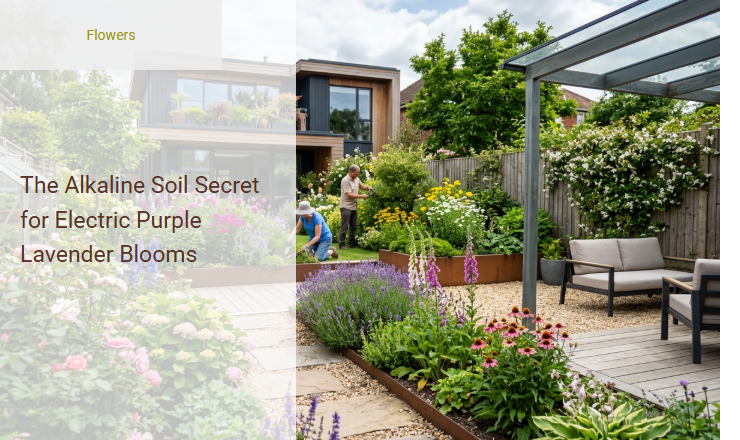
Few gardening disappointments match the frustration of watching your prized lavender turn dull, woody, and pale, despite providing ample sunshine and meticulous watering. While standard care guides focus almost exclusively on drainage, they often overlook the critical foundation of plant health: soil chemistry.
Unlocking those coveted, electric purple blooms requires shifting your focus underground. By optimizing soil alkalinity, you can maximize the nutrient uptake essential for intense pigment production. However, this is not a matter of guesswork; blindly adding amendments can easily shock delicate root systems if done incorrectly.
Specifically, popular varieties like English Lavender (Lavandula angustifolia) require a strictly calibrated environment, thriving best when the soil pH is maintained between a neutral to alkaline 7.0 and 8.0. In this guide, we will outline how to accurately test your soil, select the safest alkaline amendments, and implement a seasonal application schedule to guarantee a vibrant, high-contrast floral display.
Read also: Gravel vs Sand for Lavender Drainage
The Quest for Electric Purple Lavender
Few sights in the gardening world rival the breathtaking, luminous beauty of a lavender field in full, radiant bloom. Home gardeners everywhere strive to cultivate those jaw-dropping, neon-bright flower spikes that seem to glow with an otherworldly energy. However, many find themselves disappointed when their plants yield muted, washed-out tones instead of the intense, electric violet they envisioned. The true secret to unlocking this mesmerizing visual brilliance does not lie in expensive fertilizers or constant watering, but in an overlooked underground factor: alkaline soil. By understanding and adjusting the chemistry beneath the surface, you can transform your garden into a vivid sensory masterpiece.
Why Soil pH Dictates Bloom Intensity
The secret behind the striking color of lavender lies in organic compounds called anthocyanins. These natural pigments are highly sensitive to environmental factors, especially the acidity or alkalinity of the surrounding earth. In alkaline conditions, the availability of crucial minerals like calcium and magnesium increases significantly. This chemical balance alters the cellular environment within the plant, allowing the anthocyanin pigments to express themselves in their most vibrant, blue-toned purple spectrum. When the ground is too acidic, these nutrients become locked away, leaving the plant unable to synthesize the compounds necessary for deep, glowing coloration.
The Lavender Sweet Spot: Finding Your pH Number
To achieve the most brilliant color display, your garden soil must hit a specific chemical sweet spot. Lavender thrives in a pH range of 7.0 to 8.0, which represents neutral to slightly alkaline conditions. When grown in acidic environments below 6.5, the plant experiences nutrient stress and struggles to absorb the vital minerals required for pigment synthesis. Instead of the coveted, rich purple hues, acidic conditions result in dull, washed-out, grayish-blue flowers that look lifeless and weak. Elevating the pH ensures your lavender has the perfect foundation to produce eye-popping color.
Testing Your Soil at Home
Before adding any amendments to your garden, you must determine your current soil pH level. You can easily accomplish this using a commercial DIY testing kit or a quick household kitchen test.
- Collect a small sample of soil from about four inches below the surface where your lavender roots live.
- Divide the soil into two separate clean containers and mix in a small amount of distilled water to create a muddy consistency.
- Add a splash of household vinegar to the first container; if it fizzes, your soil is already alkaline.
- Add a spoonful of baking soda to the second container; if it bubbles, your soil is acidic and needs treatment.
Garden Lime: The Ultimate pH Booster
When your test reveals acidic conditions, agricultural lime is the most efficient and reliable tool to correct the balance. Made from crushed limestone, this natural amendment neutralizes acidity while infusing the ground with essential nutrients that encourage brilliant flowering.
- Agricultural Lime (Calcium Carbonate): Rapidly raises the pH level while providing a pure boost of calcium to strengthen plant cell walls.
- Dolomitic Lime: Best used in magnesium-deficient soils, this variety contains both calcium and magnesium to support photosynthesis and pigment creation.
Natural Alternatives for an Alkaline Boost
If you prefer to utilize everyday household organic waste, several excellent alternatives can gently raise your soil pH. Clean wood ash from a fireplace is highly alkaline and rich in potassium, making it a fantastic fast-acting amendment when dusted lightly around the root zone. Another highly effective option is incorporating crushed eggshells into your planting holes, which slowly decompose to release calcium and sweeten the soil over time. Finally, applying bone meal not only buffers acidic conditions but also delivers a healthy dose of phosphorus to promote robust root development and abundant, colorful blooming cycles.
How and When to Apply Alkaline Amendments
Timing and proper execution are vital when adjusting soil chemistry to ensure you do not shock or damage your lavender plants' sensitive root systems.
- Plan your main application for late autumn or very early spring, allowing several months for the amendments to integrate fully into the soil before the peak growing season.
- Clear away any weeds, debris, or mulch from around the base of the lavender plants to expose the bare soil surface.
- Scatter the recommended amount of lime or organic alternative evenly over the root zone, keeping the material a few inches away from the main woody stem.
- Gently scratch the amendment into the top two inches of soil using a hand rake, taking care not to disturb the delicate feeding roots.
- Water the area thoroughly to help dissolve the minerals and kickstart the chemical transition.
The Critical Partnership: Drainage and Alkalinity
Achieving the perfect alkaline pH is only half the battle; it must work hand-in-hand with exceptional drainage. Lavender is native to the dry, rocky Mediterranean basin, meaning its roots are highly susceptible to suffocating in heavy, waterlogged soils. When water pools around the root system, it causes root rot, a devastating condition that prevents the plant from absorbing any water or nutrients. Even if your soil boasts the ideal neutral-to-alkaline pH level, waterlogged roots will quickly decay, leading to yellowing foliage, stunted growth, and a total loss of those brilliant purple blooms.
Pruning Techniques to Showcase Vibrancy
To maximize the impact of your newly optimized soil, systematic pruning is essential. Lavender produces its most vibrant, intensely pigmented flowers on fresh, young wood. By pruning your plants annually in the late summer or early spring, you stimulate a flush of vigorous new stems that will carry the season's densest and most colorful flower spikes. Avoid cutting back into the old, woody base of the plant, as this can stunt future growth; instead, focus on shaping the leafy mounds to allow maximum sunlight penetration and airflow throughout the entire canopy.
Reaping the Electric Purple Reward
Taking the time to test, balance, and maintain your soil chemistry will revolutionize your gardening experience. Soon, your garden will be filled with exceptionally bright, luminous purple spikes that draw in local pollinators and command the attention of everyone who passes by. Your lavender will stand as a testament to the power of proper soil care, showcasing thick, healthy foliage, an incredibly rich, sweet aroma, and the legendary electric hues you once only dreamed of achieving. With the ground set to the perfect alkaline range, your plants have everything they need to flourish spectacularly year after year.
Summary
To achieve the most vibrant, electric purple lavender blooms, the secret lies in maintaining alkaline soil rather than acidity. While many popular flowering plants thrive in acidic environments, lavender-which is native to the Mediterranean-requires a soil pH between 7.0 and 8.0 to truly flourish. These alkaline conditions optimize nutrient uptake, which strengthens the plant's overall health and intensifies the natural purple pigmentation of its blossoms.
If your garden soil is naturally acidic, you can easily raise the pH by incorporating simple soil amendments such as agricultural lime, wood ash, or crushed eggshells. Along with the correct pH, ensuring excellent soil drainage and providing full sun exposure are critical steps to prevent root rot. By tailoring your soil chemistry to mimic lavender's native habitat, you can easily transform struggling plants into a spectacular, fragrant showcase of brilliantly colored blooms.
Leave a comment