
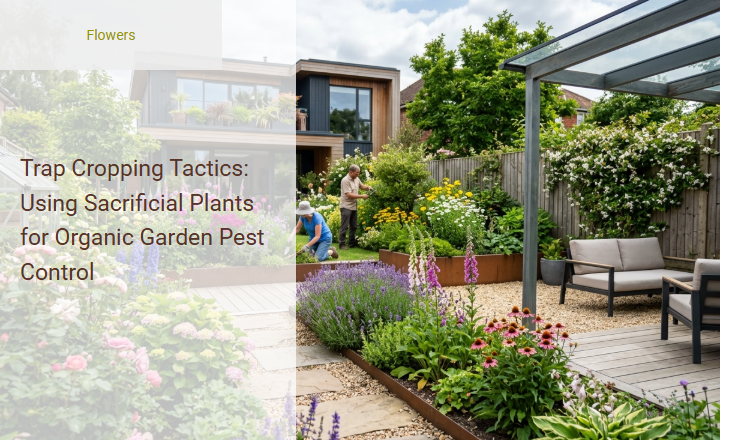
Every organic gardener knows the frustration of watching prized vegetables get decimated by pests overnight, rendering weeks of hard labor useless. While chemical sprays offer a quick fix, they often disrupt the delicate ecological balance of your backyard, harming beneficial pollinators and degrading soil health over time.
To cultivate true garden resilience, we must look to nature's own defense mechanisms. Implementing a strategic "trap crop" system grants you a pesticide-free shield, using sacrificial plants to decoy destructive insects away from your main harvest. However, this method is not a magic cure; it requires a shift in mindset, accepting a controlled pest presence on designated plants to protect the wider ecosystem. For example, planting vibrant nasturtiums to draw aphids away from valuable tomatoes serves as a highly effective, natural diversion.
This guide will demystify the science of trap cropping, detail the best companion pairings, and provide actionable layouts to safeguard your garden naturally.
Read also: Neem Oil vs Insecticidal Soap for Aphid Control
Introduction to Trap Cropping: The Sacrificial Shield
Imagine a grand royal banquet where a royal food taster samples dishes before they reach the monarch, ensuring no poison touches the king's lips. In the world of organic gardening, trap cropping operates on this exact same principle. Instead of relying on synthetic chemical sprays to defend your precious vegetables, you strategically plant a "sacrificial shield" of decoy flora to intercept hungry insects.
By understanding pest behavior, organic gardeners can use highly appealing companion plants to lure destructive bugs away from their prized cash crops. This ancient, nature-based strategy creates a diversion, ensuring that the pests focus their destructive appetites on the sacrificial decoys rather than your main harvest. It is a biological bodyguard system designed to keep your garden thriving naturally.
The Science Behind the Shield: How Trap Cropping Works
Pests do not wander aimlessly through your garden; they are highly specialized hunters guided by complex biological and chemical signals. Plants emit volatile organic compounds-invisible chemical scents-that act as homing beacons for specific insect species. Trap crops are selected precisely because they release stronger, more enticing chemical signals than the primary crops you wish to protect.
"Insects rely heavily on olfactory and visual cues to locate their hosts. A superior trap crop emits highly concentrated volatile compounds that mimic or exceed the attractive signals of the cash crop, successfully hijacking the pest's sensory system."
Visual cues also play a vital role. Brightly colored flowers, large broad leaves, and distinct shapes can attract pests from a distance. Once the insects arrive on the highly attractive decoy, they choose to settle, feed, and mate there, completely bypassing the adjacent main crops which suddenly seem bland and unappealing by comparison.
Core Strategies: Perimeter vs. Interplanted Trap Crops
To successfully implement this biological defense system, you must organize your garden layout strategically. There are two primary deployment methods, depending on the behavior of the pests you are targeting and the structure of your growing space.
Perimeter Trap Cropping
Also known as border planting, this method involves completely surrounding your cash crop with a protective ring of sacrificial plants. It acts as an external barrier to stop invading pests before they can step foot inside your main growing area.
- When to use: Best for highly mobile pests migrating from wild areas or neighboring fields.
- Best crops: Works exceptionally well for protecting sweet corn, brassicas, and large squash patches.
Interplanted Trap Cropping
This approach involves mixing the decoy plants directly within the rows of your primary crops, creating alternating rows or clusters of sacrificial plants.
- When to use: Ideal for smaller garden beds or when dealing with pests that are already resident in the soil or emerge from within the garden itself.
- Best crops: Excellent for home vegetable gardens growing tomatoes, peppers, and eggplants.
Top 5 Trap Plants and the Pests They Attract
- Nasturtiums: These vibrant, easy-to-grow edible flowers are irresistible to aphids, cabbage moths, and whiteflies, pulling them away from sensitive brassicas and leafy greens.
- Sunflowers: With their giant, radiant faces, sunflowers act as powerful magnets for stink bugs, leaf-footed bugs, and aphids, keeping them off your tomatoes and peppers.
- Blue Hubbard Squash: This vigorous winter squash is the ultimate decoy for squash bugs, cucumber beetles, and vine borers, protecting more delicate summer squashes.
- Radishes: Letting radishes bolt attracts flea beetles away from eggplants, potatoes, and tomatoes, saving young seedlings from devastating leaf damage.
- Mustard Greens: The spicy oils in mustard greens attract flea beetles and harlequin bugs, serving as an excellent buffer for cabbage, broccoli, and kale.
Designing Your Layout: Spatial Planning for Maximum Defense
Successful trap cropping requires careful physical arrangement. You cannot simply scatter decoy seeds at random; you must consider how pests travel through your specific microclimate. Many insects migrate into gardens by riding prevailing wind patterns. Placing your trap crops on the windward side of your garden intercepts these airborne invaders first, absorbing the initial wave of pests before they can drift onto your cash crops.
Sunlight is another critical factor. Most insect pests are cold-blooded and seek out warm, sun-drenched areas to feed and reproduce. Ensuring your trap plants are positioned in full sunlight makes them highly active zones of attraction. Keep in mind the physical mobility of the target pest; crawling insects require closer, more direct paths to the decoys, whereas highly mobile flying insects can be drawn to trap borders located several feet away from your main garden beds.
Timing is Everything: Synchronizing Plant Growth
Even the most attractive decoy plant will fail if it is not ready when the pests arrive. To create an effective defensive shield, your trap crops must be mature, lush, and actively releasing chemical attractants before your primary crops reach their most vulnerable growth stages. This requires a staggered planting schedule.
As a general rule, sow your trap crops at least two to three weeks before you plant your main crops. This head start ensures that when your valuable vegetables are small, delicate, and highly susceptible to insect damage, the decoy plants are already large, robust, and radiating enticing chemical signals. By prioritizing the establishment of your biological buffer, you steer early-season pests directly to the sacrifice zone.
Trap Crop Management: Don't Let Decoys Become Breeding Grounds
The most common mistake in sacrificial gardening is treating the trap crop as a set-and-forget solution. If left unmanaged, your decoy plants will quickly transform from protective shields into massive breeding nurseries, generating an overwhelming population of pests that will eventually spill over and destroy your main harvest.
Active management is required to eliminate the pests concentrated on your decoy plants. Implement these organic control strategies regularly:
- Hand-Picking: Physically remove larger insects like squash bugs and hornworms from the decoys and drop them into soapy water.
- Targeted Organic Sprays: Apply organic treatments, such as neem oil or insecticidal soap, strictly to the trap plants, keeping your primary crops chemical-free.
- Sacrificial Eradication: Pull up and destroy heavily infested trap plants entirely before the pests lay eggs or complete their life cycles.
Ecological Bonus: Attracting Beneficial Predators and Pollinators
Beyond pest suppression, trap cropping offers incredible secondary benefits for your garden's overall ecosystem. Many of the plants used as decoys-such as sunflowers, nasturtiums, and buckwheat-produce abundant pollen and sweet nectar. This rich food source draws in a diverse army of beneficial insects, turning your trap rows into ecological sanctuaries.
As pest populations concentrate on the trap plants, they create a reliable feeding ground for natural predators. Ladybugs, green lacewings, and parasitic wasps are quickly drawn to these high-density pest areas to feast, keeping the bad bugs in check naturally. At the same time, native bees and butterflies flock to the blooms, dramatically boosting pollination rates and yield across your entire food garden.
Pitfalls to Avoid: Common Mistakes in Sacrificial Gardening
While trap cropping is highly effective, minor missteps can undermine your pest management strategy. To ensure your garden remains protected, avoid these frequent errors:
- Neglecting Decoy Health: A sick, dying, or underwatered trap plant stops producing the necessary volatile compounds, causing pests to abandon it in favor of your healthy main crops.
- Using the Wrong Decoy Species: Research is vital; using a plant that does not appeal to your specific local pests will result in a wasted effort.
- Improper Spacing: Planting decoys too close to your cash crops allows pests to easily hop over to your vegetables. Ensure there is adequate separation between the shield and the treasure.
Implementing Your Plan: Steps for a Pest-Resilient Garden
Integrating trap crops into your garden design is an empowering step toward organic self-sufficiency. By working with nature's chemistry rather than fighting against it, you can foster a balanced, resilient ecosystem that naturally keeps pest damage to a minimum.
Ready to build your biological defense shield? Follow this simple, actionable checklist to launch your first trap cropping system this season:
- Identify your targets: List the primary pests that plagued your garden last year and research their favorite host plants.
- Map your layout: Decide between a perimeter border or interplanting based on your garden size and target pests.
- Stagger your seed sowing: Plant your chosen trap crops two to three weeks ahead of your primary vegetable varieties.
- Monitor and manage: Check your decoys daily for pest activity, and intervene before populations can multiply out of control.
Summary
In the quest for organic pest management, trap cropping emerges as a highly effective, natural defense mechanism for home gardens. This tactic involves planting "sacrificial" crops that are exceptionally appealing to specific pests, thereby luring them away from the main, more valuable harvest. By strategically placing these decoy plants-such as nasturtiums to attract aphids or blue Hubbard squash for cucumber beetles-gardeners can concentrate pest populations in one easily manageable area.
Once pests colonize the trap crop, they can be controlled through targeted organic treatments or by removing the infested plants entirely. Ultimately, trap cropping minimizes the need for chemical pesticides, supports beneficial predatory insects, and fosters a healthier, more biodiverse garden ecosystem. By harnessing the natural preferences of insects, gardeners can protect their yields sustainably.
Leave a comment