
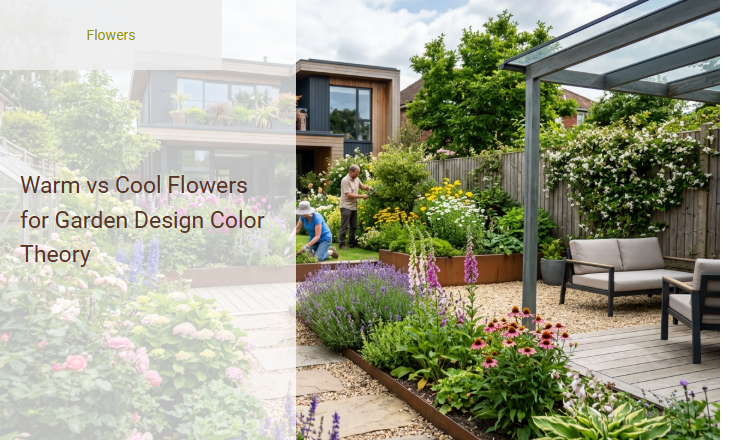
Staring at a crowded nursery, it is easy to feel overwhelmed by the sheer spectrum of blooms, often leading to impulse purchases that result in a chaotic, clashing garden landscape. Before selecting individual plants, however, professional designers first analyze how natural light and spatial layout dictate the site's overall atmosphere.
Mastering color theory grants you absolute control over the visual depth and emotional resonance of your outdoor space. To utilize this effectively, we must establish one crucial stipulation: a flower's impact is never static, as shifting daylight continuously alters how these hues register to the eye. For example, while fiery red salvias and golden marigolds aggressively advance to capture attention, cool violet hostas and blue delphiniums quietly recede into shaded borders.
Below, we will break down the technical differences between warm and cool floral palettes, exploring how to balance these temperatures to design a sophisticated, harmonious garden.
Introduction to Garden Color Theory
Garden design is more than just placing plants in soil; it is a living canvas where color theory plays a vital role in shaping human emotion and spatial awareness. Just as painters use a palette to evoke specific moods, gardeners utilize the natural spectrum of warm and cool tones to craft distinct outdoor experiences. Warm hues like reds and yellows energize the mind and make boundaries feel intimate, while cool blues and purples invite quiet contemplation and visually expand tight spaces. Understanding how these colors interact allows you to transform an ordinary backyard into a structured, sensory journey.
The Energy of Warm Colors in the Garden
Warm colors act as natural exclamation points in the landscape. Shades of fiery red, vibrant orange, and sunny yellow possess high-energy wavelengths that immediately capture the viewer's attention and spark feelings of excitement and warmth. In spacious yards, these stimulating tones perform a unique spatial trick: they appear to advance toward the observer, making large, echoing lawns feel cozy and contained. By strategically placing bold warm-toned plantings near patios or seating areas, you can foster an inviting, festive atmosphere that naturally encourages social interaction and lively conversation.
Top Warm-Toned Flowers for High Impact
Vibrant Warm-Toned Selections
To inject instant energy and bright focal points into your garden beds, consider incorporating these dependable, sun-loving annuals and perennials that thrive during the hottest months of the year.
- Marigolds: Known for their rich shades of copper, gold, and orange, these hardy flowers bloom continuously from early summer until the first frost, making them perfect for front-of-border placement or edging sunny walkways.
- Zinnias: These highly productive annuals offer a dazzling array of hot pinks, scarlets, and bright yellows that peak during mid-to-late summer, serving as excellent filler plants in central garden beds where they attract pollinators.
- Sunflowers: Reaching majestic heights, sunflowers provide towering backdrops of deep yellow and bronze throughout late summer, making them ideal for framing fences or establishing the rear boundary of a cottage garden.
The Serenity of Cool Colors in Landscaping
In stark contrast to their warm counterparts, cool colors bring a sense of peace, stillness, and quiet sophistication to the outdoor environment. Hues of deep blue, soft lavender, violet, and delicate pastel pink lower the heart rate and encourage deep, meditative breathing. These tones possess shorter wavelengths that visually recede from the eye, an optical characteristic that is incredibly useful in small or narrow gardens. By placing cool-colored plants along the outer edges of a compact yard, you create the illusion of depth and distance, making the boundaries seem to slip away into a limitless, tranquil horizon.
Essential Cool-Toned Flowers for Tranquility
Peaceful Cool-Toned Selections
Creating a soothing backyard sanctuary relies on choosing plants that offer both visual elegance and a sense of calm. These cool-toned favorites excel at turning frantic spaces into quiet retreats.
- Lavender: Famous for its silvery-purple blooms and relaxing scent, lavender thrives in sunny, well-drained borders and is best placed near seating areas or pathways where its calming aroma can be easily enjoyed.
- Delphinium: Offering dramatic spikes of true blue and soft violet, these summer-blooming perennials add elegant vertical structure and a serene backdrop to shaded or partially sunny cottage gardens.
- Hydrangeas: With their lush, voluminous clouds of blue, purple, and pale pink blooming from mid-summer through autumn, hydrangeas are perfect for transforming partially shaded woodland edges into soft, peaceful zones.
Balancing Act: Combining Warm and Cool Tones
Achieving harmony in the garden requires a careful balance between the stimulating energy of warm colors and the resting quality of cool shades. Simply scattering contrasting colors at random can lead to visual chaos, leaving the eye with no clear place to rest. To prevent this, successful designers employ complementary color schemes-pairing opposites on the color wheel, such as violet and yellow-to create sharp, intentional contrast that feels exciting yet structured. Creating gradual transition zones using intermediate shades ensures that the shift from fiery reds to calm blues feels natural and artistic rather than abrupt.
"True balance in garden design is not about matching everything, but about managing the tension between excitement and repose so the landscape feels complete."
By thoughtfully grouping your plants, you can guide the viewer's eye through the landscape in a rhythmic, pleasing sequence.
The Role of Foliage and Neutrals as Harmonizers
While flowers often steal the spotlight, the true unsung heroes of garden color theory are the neutral buffers and green backdrops that hold the composition together. Vast stretches of green foliage act as a natural frame, absorbing visual noise and giving the eyes a designated place to rest between intense floral displays. Pure white flowers and silver-gray foliage, such as dusty miller or lamb's ear, serve as crucial bridges that soften the boundaries between conflicting tones. By utilizing these harmonizing neutral elements, you can safely place vibrant orange marigolds near cool purple lavender without creating a jarring clash, allowing each color to shine in its own right.
How Sunlight and Shade Alter Flower Colors
The way we perceive garden colors is heavily influenced by the shifting quality of natural light throughout the day. Direct, intense afternoon sunlight can easily wash out delicate pastels and cool blues, making them look faded and dull. Conversely, this bright, full sun is the perfect stage for saturated, warm colors like crimson, gold, and orange, which absorb the strong rays and glow with maximum intensity. Shaded areas require the opposite approach; in the soft, diffused light of early morning or partial shade, cool colors and pale pastels seem to gather light and glow with an almost ethereal quality.
Seasonal Transitions Using Color Theory
A well-planned garden is a dynamic showcase that evolves beautifully with the changing seasons. By aligning your color choices with the natural rhythm of the year, you can create a landscape that feels deeply connected to the cycle of nature.
Designing for Year-Round Progression
Start the year with a soft, celebratory palette of spring pastels-think pale pink tulips, sky-blue forget-me-nots, and buttery yellow daffodils-which capture the fresh optimism of the new season. As summer arrives, transition into highly saturated, contrasting displays of cool lavenders and warm zinnias to mimic the vibrant intensity of mid-year sun. Finally, allow the garden to mature into late autumn by embracing a rich tapestry of fiery orange marigolds, deep red chrysanthemums, and golden rudbeckia, reflecting the warm, cozy decline of the growing season.
Designing Your Dream Palette: Next Steps
Embarking on your garden color journey begins with observing your space and deciding on a dominant temperature that reflects the mood you wish to cultivate. If you seek a lively, inviting area for entertaining, let warm tones lead the way; if you prefer a peaceful sanctuary for relaxation, prioritize a cool-toned palette. Map out your ideas on paper, keeping in mind the light conditions of your yard. To build your confidence without overwhelming your schedule, start small by experimenting with color combinations in movable container plantings. This allows you to test how different flowers look side-by-side throughout the day before committing them to the ground, ensuring your final landscape design is both beautiful and personally satisfying.
| Design Attribute | Warm Colors (Red, Orange, Yellow) | Cool Colors (Blue, Green, Purple) |
|---|---|---|
| Spatial Perception | Advance: Appear closer; make large spaces feel smaller and intimate. | Recede: Appear farther away; make small spaces feel larger and deeper. |
| Psychological Impact | Exciting, high-energy, welcoming, and stimulating. | Calming, serene, relaxing, and contemplative. |
| Best Lighting Conditions | Bright, direct sunlight; intensifies under strong exposure. | Partial shade, dusk, or overcast skies; wash out in harsh sunlight. |
| Landscape Function | Creates focal points, highlights entryways, and draws instant attention. | Serves as a unifying background, enhances depth, and defines quiet zones. |
| Plant Examples | Marigolds, poppies, sunflowers, cannas, and red-hot pokers. | Lavender, delphiniums, hostas, hydrangeas, and catmint. |
Leave a comment