
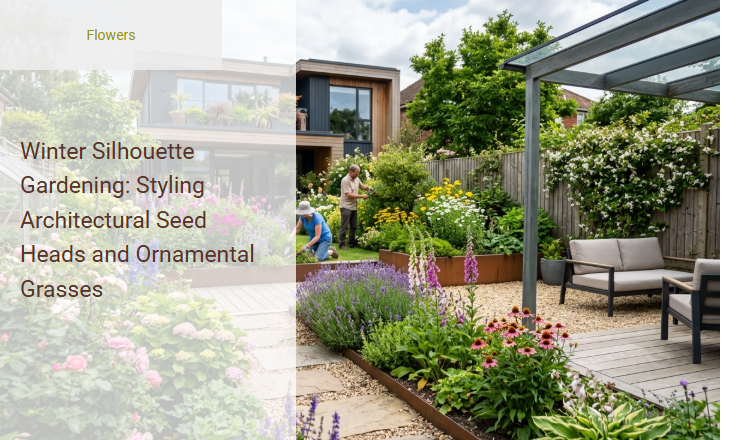
As winter approaches, many gardeners struggle with a landscape that feels suddenly barren, drab, and devoid of life once autumn's vibrant colors fade. Rather than rushing to clear the beds, shifting your perspective on the dormant garden reveals a sophisticated design opportunity. Embracing this seasonal phase grants your landscape a striking, year-round sculptural beauty that thrives even under frost and snow.
However, achieving a refined winter silhouette requires a deliberate shift in maintenance-specifically, leaving select plants standing to withstand the elements rather than cutting them back in autumn. Sturdy structures like the dark cones of Echinacea and the shimmering, frost-dusted plumes of Miscanthus grasses serve as proof that decay can be profoundly elegant.
In this guide, we will examine how to select, arrange, and maintain these architectural elements to transform your cold-season garden into a masterclass in texture and form.
Read also: Deciduous vs Evergreen Shrubs for Winter Interest
Embracing the Cold: The Philosophy of Winter Silhouette Gardening
As winter descends and the vibrant colors of summer and autumn fade, many gardeners feel compelled to tidy up, shearing away the remnants of the growing season. However, there is a quiet, profound beauty in resisting this urge. Winter silhouette gardening is the deliberate practice of leaving dead stems, dried seed heads, and ornamental grasses standing throughout the cold months. Instead of presenting a barren landscape, the garden becomes a living gallery of form and texture, where the bones of the planting design are laid bare.
By shifting our perspective, we begin to see that decay has its own elegance. The structural integrity of spent perennials offers visual interest when the ground is blanketed in snow. Rather than a bleak void, the winter garden becomes a stage for dramatic shadows, structural depth, and a whisper of motion. Embracing this philosophy transforms the coldest months from a period of waiting into a season of quiet, architectural celebration.
Sculptural Giants: Architectural Seed Heads with Winter Appeal
Echinacea (Coneflower)
The prominent, dark central cones of Echinacea remain standing long after their petals have withered. These sturdy, rounded buttons offer intense visual weight and contrast beautifully against the pale winter sky. Their woody stems are incredibly durable, easily supporting the heavy weight of winter snow without snapping.
Eryngium (Sea Holly)
With their spiky, star-like bracts, Eryngium species add an otherworldly, gothic texture to the winter border. The metallic sheen of their summer foliage matures into a rigid, silvery-gray skeletal form that acts as a natural catcher of frost, maintaining its sharp geometry even in harsh weather.
Phlomis (Jerusalem Sage)
The tiered whorls of Phlomis russeliana create a striking architectural silhouette. These stacked, pom-pom-like seed pods add strong vertical rhythm and a chunky, sculptural presence that breaks up the fine textures of surrounding grasses, enduring through wind and heavy winter precipitation.
Feathery Movement: Selecting the Right Ornamental Grasses
While rigid seed heads provide structural anchors, ornamental grasses introduce the essential element of motion to the winter landscape. As cold winds sweep across the garden, these grasses sway, whisper, and dance, preventing the winter scene from feeling static or lifeless.
- Miscanthus: Known for its large, feathery plumes that catch the light, this grass retains its upright form and silvery-buff color, creating a dramatic screen that rustles softly in the breeze.
- Calamagrostis: Cultivars like Karl Foerster act as strict vertical sentinels. Their narrow, wheat-colored plumes remain perfectly erect, providing architectural lines that define garden boundaries even under a layer of ice.
- Pennisetum: The bottle-brush flower heads of fountain grass offer a softer, more whimsical texture. They curve gracefully toward the ground, catching low-lying frost and adding a sense of fluid weight to the garden's lower tiers.
Playing with Light: Positioning for Low Winter Sun and Backlighting
The low trajectory of the winter sun offers a unique theatrical opportunity for the gardener. When the sun hangs low on the horizon, its horizontal rays pass directly through the garden rather than beating down from above. By placing translucent grasses and delicate seed heads in the path of this southern light, you can make the entire landscape appear to glow from within.
Positioning fine-textured plants like Miscanthus plumes or the airy seed heads of ornamental panicums where they are backlit by the morning or late afternoon sun highlights every tiny hair and fiber. This backlighting transforms dried, brown material into shimmering halos of amber and gold. To maximize this dramatic effect, plant these structural elements against a dark background, such as an evergreen hedge or a dark wooden fence, which will make the illuminated silhouettes stand out in sharp relief.
The Art of Restraint: Autumn Pruning Rules for Winter Structure
Achieving a stunning winter garden requires a conscious decision to put away the pruning shears in autumn. The traditional autumn cleanup, where everything is cut flat to the ground, strips the landscape of its winter potential. Instead, adopt a selective approach to maintenance, focusing on preservation.
- Embrace the "Do Not Deadhead" Rule: Stop deadheading your late-summer and autumn-blooming perennials in September. Allowing flowers like Sedum, Asters, and Rudbeckia to naturally fade and set seed is crucial for developing strong winter silhouettes.
- Identify the Standouts: Leave sturdy-stemmed plants standing. Perennials with woody stems or rigid, hollow structures, such as Eryngium, Baptisia, and most ornamental grasses, will easily survive winter storms.
- Cut Back the Floppers: Not all plants age gracefully. Soft-foliaged perennials like Hostas, Daylilies, and Peonies quickly collapse into mushy, unattractive heaps after the first hard frost. Cut these back to the ground to keep the garden bed looking clean.
- Assess Plant Health: Always cut back any plants showing signs of severe disease or pest infestations. Preserving structures is important, but preventing the spread of fungal spores or overwintering pests takes priority.
Designing for Contrast: Textural Layering in the Silhouette Garden
Without the vibrant hues of summer flowers, a winter garden relies entirely on texture, form, and tone to create visual interest. In a largely monochrome landscape of browns, tans, and grays, the secret to depth lies in the deliberate layering of contrasting physical structures. By pairing plants with opposing habits, you create a dynamic tension that keeps the eye moving.
The Interplay of Bold and Delicate
To achieve successful contrast, try positioning coarse, dark, and heavy seed heads directly against fine, airy, golden-textured grasses. For example, the sturdy, dark brown plates of dried Achillea (Yarrow) or the dense, round cones of Echinacea gain a new level of sophistication when framed by the misty, light-catching haze of Sporobolus (Prairie Dropseed). The heavy shapes anchor the composition, while the delicate grasses soften the edges, creating a sense of depth that makes the garden feel larger and more complex than it actually is.
Frost, Ice, and Snow: Nature's Winter Sculptors
The true magic of the winter silhouette garden is revealed on freezing mornings when moisture in the air crystallizes. Frost acts as an amplifier, highlighting the intricate geometry of spent plants that might otherwise go unnoticed. When a heavy hoarfrost clings to the garden, every tiny seed pod, stem, and grass awn is outlined in brilliant white crystals, turning the entire landscape into a glistening wonderland of temporary ice sculptures.
Light snowfalls add another layer of artistry, gently capping the flat seed heads of Sedum or the rounded cones of Phlomis like miniature white roofs. The stiff plumes of Calamagrostis bend gracefully under the weight of frozen dew, creating crystalline archways. These icy transformations are fleeting, changing by the hour as the sun rises, making each frosty morning a unique, unrepeatable viewing experience.
Beyond Aesthetics: Ecological Benefits of Standing Seed Heads
While the visual rewards of a winter silhouette garden are immense, the ecological benefits are equally profound. A pristine, cut-back garden is an ecological desert during the coldest months of the year. By choosing to leave dried plant structures intact, you convert your backyard into a vital sanctuary for local wildlife when resources are at their scarcest.
Standing seed heads are a lifeline for overwintering birds. Species such as goldfinches, chickadees, and sparrows rely on the high-energy seeds of Echinacea, Rudbeckia, and various ornamental grasses to survive freezing temperatures. Furthermore, the hollow stems of perennials and the dense tufts of bunchgrasses provide critical shelter for beneficial insects, including solitary bees and ladybugs, who require insulated spaces to hibernate safely until spring.
The Spring Clean: Transitioning from Silhouette to New Growth
As winter begins to wane and the first whispers of spring arrive, the time comes to bid farewell to the skeletal beauties of the cold months. Timing is critical for this transition. You want to keep the winter structure standing for as long as possible, but you must cut it down before the fresh, green shoots of spring begin to emerge and get tangled in the dead debris.
To ensure a seamless transition and protect the upcoming season's growth, follow these key steps in late winter or very early spring:
- Watch the base of your plants for the very first signs of green, which signals that it is time to cut back the old stems.
- Use sharp, clean hand pruners to cut woody perennial stems down to about two to three inches above the soil level.
- Cut ornamental grasses back close to the ground, taking care not to slice into the newly emerging green blades of cool-season varieties.
- Chop up the cleared material and add it to your compost pile, or use it as a light mulch to protect the soil as it warms up.
Designing Your Winter Masterpiece: Key Takeaways
Embracing the beauty of the colder seasons requires us to rethink our relationship with our outdoor spaces. Shifting our perspective from a strict, "tidy" mindset to one that values an "evocative" landscape opens up an entirely new world of gardening enjoyment. By celebrating the structural and textural qualities of plants in their dormant state, we extend the gardening year into a full, twelve-month experience.
Remember to focus on structural variety, plant for backlighting, layer contrasting textures, and prioritize ecological health. By allowing your garden to age gracefully, you create a space that is not only beautiful to behold but also deeply connected to the natural rhythms of life.
Summary
Winter Silhouette Gardening: Styling Architectural Seed Heads and Ornamental Grasses explores the art of embracing the cold season's muted beauty by leaving dried plant structures intact. Rather than tidying up the autumn garden, this design philosophy celebrates the striking geometry of architectural seed heads, such as coneflowers, teasels, and alliums, alongside the fluid movement of ornamental grasses like miscanthus and calamagrostis. These elements introduce vital texture, form, and delicate tones of amber, bronze, and silver to an otherwise stark landscape.
Beyond their dramatic visual appeal-especially when gilded with frost or backlit by the low winter sun-these skeletal structures provide crucial shelter and food sources for overwintering birds and beneficial insects. By mindfully styling these resilient plants, gardeners can transform the dormant winter backyard into a captivating, dynamic sanctuary of structure, light, and shadow.
Leave a comment