
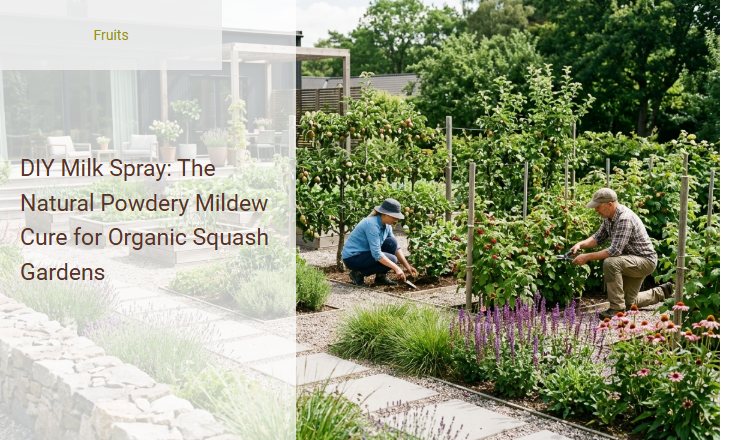
Watching the vibrant green leaves of your zucchini and butternut squash turn a ghostly, powdery white is a frustratingly common struggle for organic growers. While synthetic chemical fungicides offer a quick fix to this fungal invasion, they inevitably compromise the organic integrity of your backyard harvest and disrupt local soil biology.
Fortunately, you can protect your crops using a highly effective, cost-efficient, and entirely non-toxic alternative found right in your kitchen. However, as an educational stipulation, it is vital to understand that this natural remedy functions primarily as a preventative shield and early-stage treatment, rather than a miracle cure for severely ravaged foliage.
In this guide, we will examine the science behind this dairy-based solution, provide a precise DIY recipe, and outline a strategic application schedule to keep your squash garden thriving and mildew-free all season long.
Read also: Copper vs Sulfur for Fungus Prevention
Introduction: The Powdery Mildew Threat to Squash
There is nothing quite as disheartening for a gardener as stepping into a vibrant vegetable patch only to discover a dusty, white coating blanketing the lush green leaves of your squash plants. This unsightly invader is powdery mildew, a relentless fungal disease that thrives in warm, humid conditions. Left unchecked, it can quickly sap the strength of your plants, leaving them withered and drastically reducing your harvest. To protect your garden and your family, avoiding harsh synthetic chemical fungicides is essential. Instead, finding an organic, chemical-free solution that works in harmony with nature is the key to restoring vitality to your patch.
Understanding the Power of DIY Milk Spray
Fortunately, one of the most effective weapons against this fungal threat is likely sitting in your kitchen refrigerator right now. A simple, homemade milk spray serves as an exceptional organic alternative to commercial chemical fungicides. This natural remedy has been utilized by organic growers for generations to keep squash crops thriving. It is not only incredibly cost-effective but also completely safe for beneficial insects, pets, and children, making it a cornerstone of sustainable gardening practices.
The Science: How Milk Combats Fungal Growth
The effectiveness of this remedy is backed by fascinating scientific principles. When you apply milk to foliage, the natural proteins within it, specifically whey and lactoferrin, react directly with the ultraviolet rays of the sun. This solar interaction triggers a chemical process that generates oxygen free radicals on the leaf surface. These highly reactive molecules are lethal to fungal pathogens, effectively burning and destroying the delicate spores of the mildew. Consequently, the fungus is unable to replicate or spread, halting the infection in its tracks.
Gathering Your Ingredients and Materials
Preparing your homemade antifungal treatment requires only a few basic household supplies. Gathering these items beforehand ensures a smooth and efficient mixing process.
- Skim milk: This is highly recommended because it contains the necessary proteins without the heavy fats of whole milk, which can cause unpleasant odors.
- Clean water: Use filtered or rainwater to ensure no chlorine interferes with the natural components.
- A clean spray bottle or pressure sprayer: Essential for achieving a fine, even mist over the squash foliage.
- A measuring cup: To ensure the correct proportion of ingredients.
The Golden Ratio: Milk-to-Water Dilution Recipe
Creating the perfect mixture requires adhering to a specific recipe. The ideal mixture uses a 1:9 ratio of milk to water, which translates to one part milk to nine parts water. Maintaining this precise balance is crucial for the health of your garden. Using too much milk can result in a sour, rotting smell and encourage the growth of unwanted molds on your plants. Conversely, using a mixture that is too diluted will not provide enough active proteins to effectively combat the fungal spores.
Step-by-Step Guide to Mixing and Application
- Measure the ingredients: Pour one cup of skim milk and nine cups of clean water into a clean mixing container.
- Agitate the mixture: Stir or shake the solution thoroughly to ensure the milk is completely dissolved and evenly distributed throughout the water.
- Fill the sprayer: Carefully transfer the mixed solution into your clean garden spray bottle or pressure sprayer.
- Apply to foliage: Spray the squash leaves generously, ensuring you coat both the upper surfaces and the shaded undersides where spores love to hide.
Timing is Everything: When to Apply the Spray
The success of this organic treatment depends entirely on environmental conditions. Because the science relies on solar interaction, you must apply the mixture during periods of bright, direct sunlight. Spraying on a cloudy day or in the late evening will significantly reduce the effectiveness of the treatment, as the proteins require UV rays to generate the necessary free radicals.
Prevention vs. Cure: Establishing a Treatment Schedule
Consistency is key when managing fungal diseases in your garden. Adjusting your application schedule based on the current health of your squash plants will yield the best results.
- Preventative Schedule: Spray your healthy squash leaves once every ten to fourteen days during the warm season to keep fungal spores from establishing a foothold.
- Curative Schedule: If you spot active white spots on the foliage, increase the frequency to once every five to seven days until the outbreak is fully under control.
Pro-Tips to Avoid Odors and Leaf Burn
To ensure the best possible experience with this natural method, keeping a few practical tips in mind will save you time and effort.
Never apply the spray right before a rainstorm, as the water will wash away the active proteins before they have a chance to work. Additionally, always wash out your spraying equipment with warm, soapy water immediately after use to prevent sour milk odors from building up inside the nozzle.
Harvesting Healthy, Chemical-Free Squash
Embracing simple, natural remedies allows you to cultivate a thriving garden without relying on synthetic chemicals. By utilizing this highly effective milk spray, you protect your squash plants from devastating mildew while keeping your food pure and safe. With a little consistent care and the power of the sun, you can look forward to a bountiful, healthy harvest of delicious squash all season long.
Summary
Managing powdery mildew in organic squash gardens can be a major challenge, but a simple, DIY milk spray offers an effective, natural solution. This organic remedy utilizes the proteins in milk-specifically whey-which react with sunlight to produce free radicals that are lethal to fungal spores.
To create the treatment, gardeners mix one part milk with nine parts water, though a stronger one-to-three ratio can be used for active infections. For the best results, the solution should be sprayed thoroughly onto squash leaves during the brightest part of the day, as direct sunlight is required to activate its fungicidal properties.
Not only does this low-cost method prevent and cure powdery mildew, but it also boosts the plants' immune systems with nutrients like calcium. This safe, chemical-free alternative is a game-changer for maintaining a bountiful, healthy squash harvest.
Leave a comment