
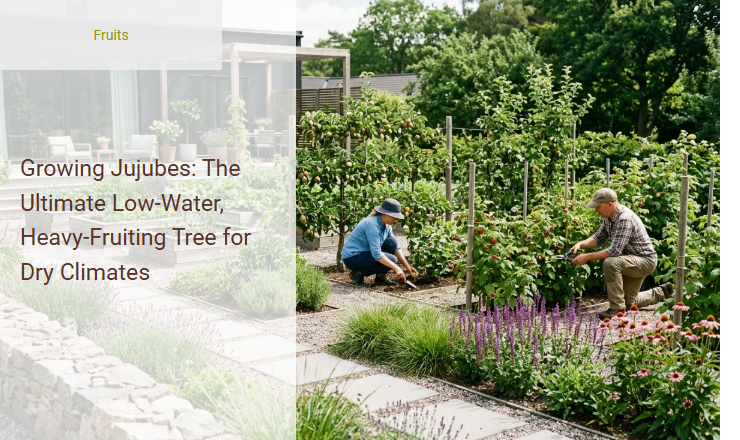
Cultivating a productive home orchard in arid or drought-prone regions often feels like an uphill battle against rising water utility costs and scorching summer heat. While traditional stone fruits like peaches and plums quickly wither under these harsh conditions, growers do not have to sacrifice harvest abundance for environmental responsibility. The jujube (Ziziphus jujuba) offers the ultimate solution: a virtually indestructible tree that delivers heavy yields of sweet, crisp fruit with minimal irrigation.
However, achieving peak productivity requires managing initial expectations; while proven cultivars like 'Li' and 'Lang' possess legendary drought tolerance once mature, they require strategic watering during their first two years to establish deep root systems. In this comprehensive guide, we will explore the essential planting techniques, soil requirements, and seasonal care strategies needed to successfully cultivate this resilient, high-yielding crop in your backyard.
Read also: Fig vs Pomegranate for Drought Tolerance
Introduction to the Resilient Jujube
Known scientifically as Ziziphus jujuba and commonly referred to as the Chinese date, the jujube has been cultivated for over 4,000 years. Originating in China, this ancient fruit tree has sustained communities through severe weather shifts due to its unmatched resilience. Its exceptional adaptability makes it one of the most rewarding additions to the home orchard, especially for gardeners facing challenging environments.
The standout feature of the jujube tree is its extreme drought tolerance once established. While many traditional fruit trees wither and fail under intense summer heat, the jujube thrives, requiring a fraction of the water of apples or peaches. This makes it the ideal candidate for arid, semi-arid, and drought-prone regions. In addition to being exceptionally water-wise, the tree is a heavy-fruiting cultivar that produces abundant yields of sweet, apple-like fruits that mature into rich, date-like treats as they dry.
Selecting the Best Jujube Cultivars for Your Garden
Choosing the right cultivar depends heavily on your climate and how you plan to enjoy the fruit. While all jujubes are resilient, individual varieties offer distinct characteristics in terms of size, taste, and texture.
- 'Li': Widely considered the most popular variety for home gardens. It produces large, round fruits with a crisp, sweet flesh. It is excellent for fresh eating and is self-fertile, making it ideal for gardens with limited space.
- 'Lang': This cultivar produces pear-shaped fruits that are best enjoyed when fully dry. It is highly productive and performs exceptionally well in hot, dry interior climates, though it benefits from cross-pollination with 'Li'.
- 'Honey Jar': Renowned for having the sweetest and juiciest fruit of all cultivars. Though the fruits are slightly smaller than 'Li', their crisp texture and honey-like flavor make them a favorite for eating fresh off the tree.
- 'Sherwood': A late-season variety with an upright growth habit, making it perfect for tighter spaces. It thrives in hot, dry conditions and produces firm, sweet fruit that is excellent both fresh and dried.
Soil and Sunlight Requirements for Maximum Growth
To secure a bountiful harvest, understanding the foundational needs of your jujube tree is essential. Fortunately, these trees are incredibly forgiving and can adapt to conditions that would stun other fruit species.
Sunlight Needs
Jujube trees demand full sun to maximize fruit production and ensure the wood matures properly. Select a planting site that receives at least eight hours of direct sunlight daily. Insufficient light leads to leggy growth and significantly reduces your seasonal crop.
Soil Requirements
While jujubes prefer deep, well-draining sandy loam, they are legendary for their ability to tolerate poor, heavy clay, and highly alkaline soils. They possess a broad pH tolerance, surviving easily in soils ranging from pH 6.0 to 8.5. This extreme tolerance makes them incredibly valuable for inland valleys and desert landscapes where alkaline soil limits gardening choices.
Step-by-Step Guide to Planting Your Jujube Tree
Planting your jujube tree correctly sets the foundation for a lifetime of heavy yields and drought resistance. Whether you are working with a bare-root tree in late winter or a container-grown specimen in spring, follow these steps to guarantee success.
- Prepare the Site: Clear all weeds and grass from a three-foot radius. Dig a hole that is twice as wide as the root ball but of equal depth to prevent the tree from settling too deep.
- Inspect and Prepare the Roots: If planting a bare-root tree, gently spread the roots outward. For container-grown trees, gently loosen any circling roots to encourage outward growth into the native soil.
- Position the Tree: Place the tree in the hole, ensuring that the graft union remains two to three inches above the final soil line. Backfill the hole using only native soil, avoiding the addition of fresh compost or fertilizer to the planting hole.
- Tamp and Settle: Firmly press the soil down with your hands as you fill the hole to eliminate air pockets.
- Perform the Initial Watering: Soak the planting area thoroughly with several gallons of water immediately after planting to settle the soil around the root system.
Water Management: Establishing and Sustaining a Drought-Tolerant Tree
While mature jujube trees can survive on minimal rainfall, strategic water management is vital during their initial years to build a deep, extensive root system.
For the first two seasons, water your newly planted tree once or twice a week during the hot summer months. Apply water deeply rather than frequently to encourage roots to grow downward. Once the root system is fully established, usually by year three, the tree can transition to deep, monthly waterings during the dry season, or rely entirely on natural rainfall in moderate climates.
Critical Watering Tip: Always apply water at the drip line-the outer perimeter of the tree's canopy-rather than directly against the trunk. This prevents crown rot and encourages the roots to expand outward, maximizing the tree's natural drought-tolerant capabilities.
Pruning and Training for Optimal Sunlight and Fruit Production
Left unmanaged, jujube trees can develop a dense, thorny thicket of branches. Correct training and pruning keep the canopy open, allowing sunlight to penetrate and ripen the fruit evenly.
The ideal time to prune your jujube tree is during late winter or early spring, while the tree is dormant. Begin by establishing a strong central leader or an open-center structure. Remove any dead, diseased, or crossing branches to improve air circulation. Additionally, pay close attention to the base of the tree and prune away root suckers immediately, as they divert vital energy away from the main fruit-producing canopy.
Fertilization and Mulching Best Practices
Jujube trees are light feeders and require minimal intervention to perform well. Over-fertilizing can lead to excessive vegetative growth at the expense of fruit production.
Applying a balanced, slow-release fertilizer once in early spring is generally all that is required for younger trees. For established trees in decent soil, a simple top-dressing of organic compost is sufficient. To support the tree in dry environments, apply a three- to four-inch layer of organic wood mulch around the root zone. Avoid piling mulch directly against the bark of the trunk, as this retains moisture against the wood and invites fungal diseases.
Managing Pests and Diseases Naturally
One of the greatest benefits of growing jujubes is their natural resistance to most common orchard pests and diseases. They are rarely troubled by the typical ailments that plague stone fruits.
In some regions, however, the jujube fruit fly or occasional scale insects can pose a minor threat. Maintaining a clean orchard floor and practicing preventative care will keep your trees healthy without the need for harsh chemicals.
- Sanitation: Promptly collect and dispose of any fallen fruit to interrupt the life cycle of pests like the fruit fly.
- Beneficial Insects: Encourage natural predators such as ladybugs and lacewings to control aphids or scale.
- Horticultural Oils: Apply organic neem oil or dormant spray in early spring to smother overwintering pests on the bark.
Harvesting and Preserving Jujube Fruits
Knowing when to harvest jujubes is key to enjoying their distinct textures and sugars. Unlike some fruits, jujubes do not continue to ripen once detached from the branch.
For fresh consumption, harvest the fruit when it transitions from bright green to a yellowish-green with red-brown spots. At this stage, the fruit is incredibly crisp and tastes like a sweet apple. If left on the tree, the fruit will turn completely reddish-brown, wrinkle, and soften, taking on the texture and concentrated sweetness of a date.
Fresh Storage
Freshly harvested, crisp jujubes can be stored in the refrigerator for up to two weeks in a ventilated container. Keep them dry to maintain their crisp bite.
Drying Techniques
To preserve your harvest long-term, allow the fruits to dry completely on the tree or harvest them when fully brown and finish drying them in a food dehydrator or on outdoor screens. Dried jujubes can be stored in airtight containers for up to a year, providing a sweet, healthy snack throughout the winter.
Culinary Uses and Health Benefits of Jujubes
Jujubes are highly valued not only for their rich, sweet flavor but also for their impressive nutritional profile, which has made them a staple of traditional herbal medicine for centuries.
These small fruits are packed with Vitamin C, boasting levels far higher than those found in citrus fruits. They are also rich in potent antioxidants, which help protect cells from damage and support immune health. Additionally, jujubes contain compounds known to promote relaxation, ease anxiety, and improve sleep quality.
In the kitchen, the culinary possibilities are endless. Fresh jujubes make a wonderful addition to autumn salads, cheese platters, or can be eaten out of hand. Dried jujubes can be steeped into a soothing, restorative herbal tea, simmered into jams and syrups, or chopped and used as a direct substitute for dates and raisins in your favorite baking recipes.
Summary
"Growing Jujubes: The Ultimate Low-Water, Heavy-Fruiting Tree for Dry Climates" explores the exceptional benefits of cultivating jujubes (Ziziphus jujuba), also known as Chinese dates. Ideally suited for arid and semi-arid regions, these resilient trees thrive in poor, alkaline soils and withstand scorching summer heat with minimal water once established.
The guide highlights key advantages of jujubes, including their natural resistance to pests, low chilling-hour requirements, and consistent, heavy yields of nutritious fruit. Readers will learn how the fruit transitions from a crisp, apple-like texture when fresh to a sweet, chewy, date-like flavor when dried. Featuring practical advice on selecting popular cultivars like 'Li' and 'Lang', planting techniques, and basic irrigation, this resource demonstrates why jujubes are the perfect choice for water-conscious gardeners seeking a highly productive, low-maintenance orchard.
Leave a comment