
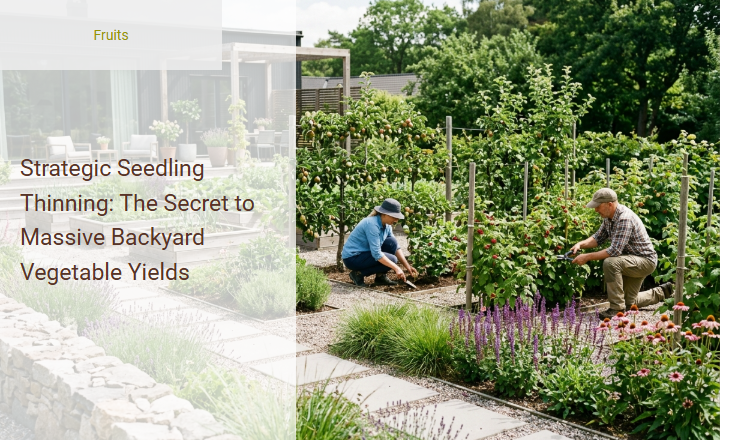
Many backyard gardeners pour hours of labor into sowing seeds, only to face the frustrating reality of stunted crops and disappointing harvests. This common struggle often stems from a natural, well-intentioned reluctance to discard healthy sprouts, leading to severe overcrowding below and above the soil.
However, overcoming this hesitation and embracing strategic seedling thinning grants your remaining crops the vital space, light, and nutrients required to reach their maximum genetic potential. While it may feel counterintuitive to sacrifice viable plants, agricultural science stipulates that selective culling is a non-negotiable step for robust development. For instance, root vegetables like carrots and radishes fail to bulb entirely when crowded, while tomatoes become leggy and disease-prone.
In this guide, we will explore the precise mechanics of plant competition, step-by-step thinning methodologies, and crop-specific timelines to transform your backyard into a high-yielding sanctuary.
Read also: Thinning vs Leaving Fruit for Maximum Yield
Introduction: The Hardest Part of Seedling Success
There is a quiet joy in watching tiny green shoots emerge from the dark soil of your starter trays, signaling the start of a promising gardening season. Yet, this initial triumph quickly turns into a crowded struggle as dozens of seedlings compete for survival in a highly confined space. For many gardeners, the most difficult hurdle isn't dealing with pests or managing soil moisture-it is the act of thinning. It can feel like an unthinkable emotional struggle to pinch off healthy, vibrant baby plants that you nurtured from seed. However, embracing this practice is the single most important key to unlocking massive backyard vegetable yields, turning a congested tangle of weak stems into a strong, highly productive harvest.
Understanding Seedling Thinning: What It Is and Why It Matters
Seedling thinning is the intentional removal of excess sprouts to ensure that only the healthiest, most robust plants survive. When planting, gardeners routinely sow multiple seeds per cell or furrow because seed germination rates are rarely perfect. Once those seeds sprout, however, multiple plants growing in the exact same spot create an immediate biological conflict. To secure a successful harvest, you must select the single strongest seedling and eliminate the rest. By performing this vital step, you prevent resource starvation and guarantee that your chosen crop has the botanical resources required to grow to full maturity.
The Hidden Science Behind Massive Yields
Behind every bumper crop of garden vegetables lies the fundamental biology of plant spacing. When crops are left to grow too close together, their biological systems suffer under intense stress. Thinning directly solves these issues by improving several key growing conditions:
- Root Competition: Overcrowded root systems tangle together, preventing individual plants from absorbing vital water, minerals, and micro-nutrients from the soil.
- Air Circulation: Thinning creates necessary physical space between stems and leaves, allowing fresh air to flow freely and dry up excess humidity.
- Disease Prevention: Stagnant air and high humidity around dense foliage are breeding grounds for fungal pathogens like damping-off disease; proper spacing keeps the canopy dry and healthy.
- Access to Sunlight: Spaced-out plants do not shade one another, ensuring that every single leaf gets maximum exposure to sunlight for efficient photosynthesis.
Which Vegetables Demand Thinning the Most?
While almost all garden crops benefit from proper spacing, certain vegetables absolutely require thinning to produce edible parts. Root crops and heavy feeders are particularly sensitive to overcrowding.
Carrots
Carrots sown too closely will twist around each other, resulting in woody, thin, and completely inedible roots instead of straight, sweet, and crunchy carrots.
Beets
Each beet seed is actually a cluster of multiple seeds. Failing to thin these sprouted clusters results in small, stunted root development that will never swell to full size.
Radishes
Radishes grow incredibly fast, but if they are crowded, they will direct all their energy into leafy tops and fail to form their signature peppery globes.
Timing is Everything: When to Start Thinning
Thinning too early can be risky, as young sprouts are incredibly fragile, while waiting too long allows root systems to become tangled and difficult to separate. The sweet spot occurs when the plants develop their first set of "true leaves." When a seed first sprouts, it sends up embryonic leaves called cotyledons, which are often simple, rounded, and look identical across different species. The subsequent leaves that emerge look like miniature versions of the adult plant's foliage. These are the true leaves, indicating the root system is stable enough to survive the thinning process.
Scissors vs. Fingers: Choosing Your Method
How you remove the extra seedlings is just as important as when you do it. Gardeners typically choose between cutting the unwanted stems at the soil level or pulling them out entirely. Each method has specific impacts on the surrounding root structures.
| Method | Pros | Cons |
|---|---|---|
| Cutting (Scissors) | Eliminates the risk of disrupting the roots of the remaining seedling. Highly recommended for closely spaced crops. | Leaves the old root structure in the soil, which decays over time. Requires precision tools. |
| Pulling (Fingers) | Completely removes the plant and its root system, freeing up soil space instantly. No tools required. | Can pull up or damage the delicate root systems of neighboring plants if they are closely intertwined. |
Step-by-Step Guide to Perfect Thinning
To ensure your garden transition goes as smoothly as possible, follow this simple, damage-free thinning process designed to protect your strongest plants.
- Moisten the Soil: Water your seedlings gently a few hours before thinning. Damp soil makes pulling much easier and reduces transplant shock on remaining roots.
- Identify the Strongest Plant: Look closely for the seedling with the thickest stem, healthiest color, and most robust set of true leaves. This is your "keeper."
- Isolate and Cut or Pull: Using sharp, clean micro-snips, cut the weaker neighboring seedlings right at the soil line. If you choose to pull, hold the soil down around the keeper with one hand and gently pull the unwanted plant straight up.
- Maintain Proper Spacing: Refer to your seed packet to determine the recommended spacing requirements for each mature vegetable variety, and repeat the process down the row.
Bonus Harvest: Eating Your Thinnings as Microgreens
Many beginners view seedling thinning as a wasteful chore, but it actually yields an immediate culinary reward. The young sprouts you snip away are packed with concentrated nutrients and intense flavors. Instead of tossing them into the compost bin, bring them straight to the kitchen. These tender greens are identical to high-priced gourmet microgreens sold at premium organic food markets.
"Pinch off your extra beet, radish, brassica, and herb seedlings and use them to top fresh salads, fold into omelets, or garnish savory dishes. It is a delicious way to enjoy a gourmet harvest weeks before your main crops mature."
Post-Thinning Recovery and Care
The period immediately following thinning can be stressful for the surviving plants. Even with careful execution, the surrounding soil is disturbed, and remaining roots can suffer minor exposure to air. Implementing structured post-thinning care ensures quick recovery.
Start by performing gentle watering immediately after you finish thinning. A soft spray of water helps settle the disturbed soil back around the roots of the remaining seedlings, eliminating harmful air pockets. Additionally, practice soil stabilization by gently pressing down the soil surrounding the base of the surviving stems to secure them upright. Keep the seedlings out of direct, intense sunlight for a few hours if they are in trays, allowing them to adjust without heat stress.
The Ultimate Reward: A Bountiful Backyard Harvest
Though thinning requires a small emotional hurdle, the physical space, clean air flow, and lack of root competition you provide will pay massive dividends. The tiny, struggling sprouts of today will transform into heavy, nutrient-dense vegetables capable of feeding your family. Embrace this garden ritual as a necessary step toward an incredibly lush, high-yielding backyard oasis.
Take a deep breath, grab your garden shears, and give your plants the room they need to reach their full, magnificent potential.
Summary
The article "Strategic Seedling Thinning: The Secret to Massive Backyard Vegetable Yields" highlights a crucial yet frequently skipped gardening practice that directly impacts harvest sizes. While backyard gardeners often struggle with the idea of discarding healthy young sprouts, overcrowding forces plants to compete for limited sunlight, water, and soil nutrients, ultimately leading to weak crops and diminished yields.
This guide explains how strategic thinning allows the strongest seedlings the space they need to develop robust root systems and thrive. By timing the thinning process correctly and using proper techniques-such as snipping extra seedlings at the soil line rather than pulling them-gardeners can prevent root damage to the remaining plants. Ultimately, mastering this simple, disciplined technique is presented as the ultimate secret to transforming a crowded garden bed into a highly productive, high-yielding backyard oasis.
Leave a comment