
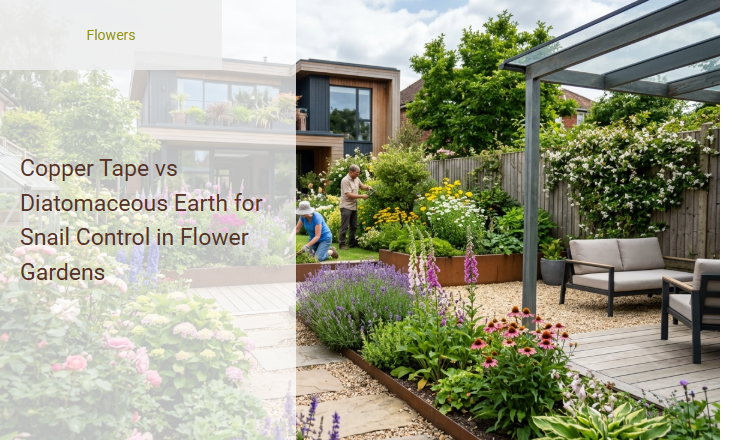
Watching your meticulously nurtured flower garden get decimated overnight by voracious snails is a deeply frustrating experience. These persistent pests can quickly turn pristine, prize-winning petals into ragged, unsightly ruins, leaving gardeners feeling defeated.
To address this, modern horticulture has shifted away from harsh chemical baits toward sustainable, physical barriers that protect delicate ecosystems without introducing toxins into the soil. Utilizing these organic defenses grants you the ultimate peace of mind, ensuring your flower beds flourish undisturbed.
Applying targeted barriers to highly vulnerable flora-such as hostas, marigolds, and tender petunia seedlings-safeguards their aesthetic and structural integrity. However, it is important to stipulate that no physical deterrent is entirely foolproof; their success relies heavily on correct installation and weather conditions.
This article provides a comprehensive comparison of copper tape and diatomaceous earth, evaluating their mechanisms, longevity, and cost-effectiveness to help you select the optimal snail control strategy for your garden.
The Snail Menace in Flower Gardens
Few things match the sheer frustration of stepping into your garden in the morning only to find your prized dahlias, hostas, and marigolds reduced to shredded, slimy remains. Overnight, a silent army of pests can destroy months of hard work and careful cultivation. To protect these vulnerable blooms without introducing harsh poisons into the ecosystem, gardeners are turning to organic physical barriers. Two of the most popular and effective solutions available today are copper tape and diatomaceous earth.
Understanding the Snail Threat
Snails are voracious feeders equipped with a specialized rasping tongue called a radula, which allows them to easily scrape away plant tissue. They target tender new growth, seedlings, and soft flower petals, making flower gardens their prime target. Gardeners can easily identify their presence by the characteristic irregular holes left in leaves and the telltale shiny, silvery slime trails left across soil, mulch, and foliage.
While chemical baits containing metaldehyde have been the traditional go-to solution, they pose severe risks to local wildlife, beneficial insects, and household pets. This danger has fueled a massive shift toward organic deterrents that safeguard the garden ecosystem while successfully keeping these persistent mollusks at bay.
How Copper Tape Works Against Snails
The Science of the Barrier
Copper tape acts as a highly effective physical and biochemical shield around plants. When a snail attempts to cross the tape, the moisture in its slime reacts chemically with the copper ions. This reaction generates a minute electrolytic shock, which is incredibly unpleasant for the pest. The sensation is often compared to receiving a mild static shock, forcing the snail to turn away immediately.
This natural reaction makes copper tape a powerful non-lethal deterrent. Rather than killing the snails, it establishes an invisible electrical fence that keeps your valuable flower containers and raised beds entirely off-limits.
Pros and Cons of Copper Tape for Gardens
- Exceptional Longevity: Once applied to a clean surface, copper tape can remain effective for several seasons without needing replacement.
- Clean Aesthetic: The metallic strip blends neatly onto the rims of planters, keeping the garden looking tidy and professional.
- Upfront Cost: High-quality copper tape can be relatively expensive compared to bulk organic powders, raising the initial setup costs.
- Surface Limitation: It requires smooth, clean surfaces like plastic, terracotta, or wood, making it difficult to use directly on open garden soil.
How Diatomaceous Earth Repels Snails
A Natural Microscopic Barrier
Diatomaceous earth, commonly known as DE, is a powdery substance made from the fossilized remains of tiny aquatic organisms called diatoms. To human hands, it feels like a soft, chalky powder, but at a microscopic level, it consists of incredibly sharp, glass-like edges. When snails crawl over this powder, these sharp edges inflict microscopic cuts in their soft bodies, absorbing the essential oils and moisture from their protective slime layer.
This process leads to rapid dehydration, forcing the snails to retreat or perish. To apply it safely in a flower garden, it is crucial to use only food-grade diatomaceous earth. Gently sprinkle a thick, unbroken ring of the powder directly onto the dry soil surrounding the base of your vulnerable flowering plants.
Pros and Cons of Diatomaceous Earth
- High Effectiveness: It creates an impassable perimeter that deals directly with heavy infestations in open beds.
- Easy to Apply: It can be quickly dusted over soil, mulch, and around irregular plant bases with no specialized tools required.
- Vulnerable to Rain: Water temporarily neutralizes its sharp structure, requiring a complete reapplication after every rain shower or heavy watering.
- Inhalation Hazard: The fine dust can irritate eyes and lungs during application, meaning gardeners should wear masks during dry distribution.
Head-to-Head: Application and Versatility
When analyzing these two organic options, their practical application varies significantly based on your garden layout. Copper tape is incredibly easy to apply to containers, hanging baskets, and raised bed borders; you simply peel the adhesive backing and stick it around the rim. However, it is virtually useless when applied directly to loose soil or uneven ground, limiting its versatility to structured gardening areas.
Conversely, diatomaceous earth excels in open garden beds, borders, and directly on top of mulch. It can conform to any shape or plant grouping, making it highly versatile for expansive flower landscapes. However, because it is a loose powder, it requires frequent maintenance and careful hand-spreading, making it more labor-intensive over time than a one-and-done tape installation.
Head-to-Head: Durability and Weather Resistance
| Barrier Type | Performance in Rain | Performance in High Humidity | Maintenance Frequency |
|---|---|---|---|
| Copper Tape | Excellent; rain does not wash it away or stop the reaction. | High; moisture can actually enhance the electrolytic reaction. | Low; requires occasional cleaning of oxidized surface. |
| Diatomaceous Earth | Poor; rain washes it into the soil, rendering it completely ineffective. | Moderate; high humidity can clump the powder, reducing sharpness. | High; must be reapplied after every wet weather event. |
Environmental Impact and Safety Considerations
Both methods represent a massive leap forward in environmental safety compared to toxic chemical baits, but they still require mindful use. Copper tape is completely safe for pets, children, and beneficial soil organisms like earthworms, as it sits above the ground level and presents zero chemical runoff risk.
Diatomaceous earth is also non-toxic to pets and humans when food-grade varieties are used. However, because it is a non-selective physical insecticide, it can harm beneficial insects such as bees and ladybugs if they come into direct contact with the dry powder. Gardeners should apply it close to the ground to avoid harming pollinators, while noting that its impact on deep-dwelling earthworms remains minimal as long as it stays on the dry soil surface.
The Verdict: Choosing the Right Shield for Your Flowers
Deciding between these two organic defenses depends on your gardening setup and local climate. If you cultivate prized blooms in pots, raised beds, or containers, copper tape is the superior, low-maintenance choice that will protect your plants through wet seasons with minimal effort.
For open flower beds, expansive ground cover, or immediate spot-treatment of severe infestations, diatomaceous earth provides the flexible coverage you need, provided you are willing to reapply it after rain. By matching the right physical barrier to your garden structure, you can enjoy pristine, undamaged blossoms all season long.
| Feature | Copper Tape | Diatomaceous Earth (DE) |
|---|---|---|
| Mechanism | Reacts with snail mucus to emit a mild electrostatic charge, deterring entry. | Microscopic fossilized algae scratch and absorb the protective waxy outer layer of snails, causing fatal dehydration. |
| Weather Resistance | High. Remains effective when wet and lasts for multiple seasons. | Low. Completely ineffective when wet; requires immediate reapplication after rain or watering. |
| Application Method | Adhered to vertical surfaces like pots, planters, and raised bed borders. | Sprinkled on the ground to create a dry, powdery soil barrier around plants. |
| Safety & Ecology | Completely safe for pets, children, soil microbes, and beneficial insects. | Safe for pets (food-grade), but can irritate human lungs if inhaled and kills beneficial insects indiscriminately. |

Leave a comment