
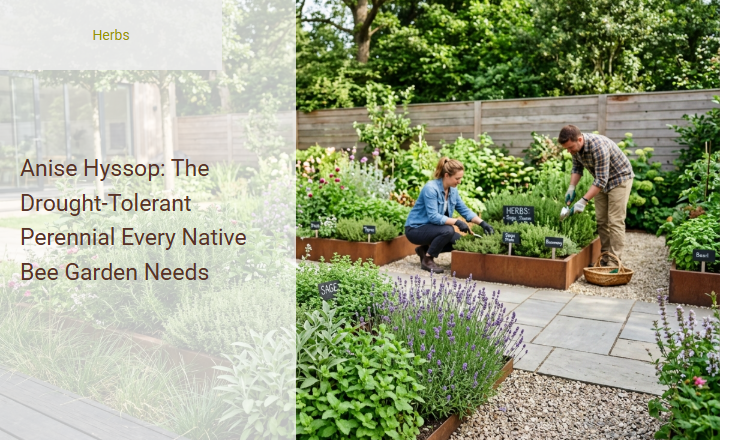
Cultivating a thriving pollinator sanctuary can feel like an uphill battle when rising summer temperatures and strict water restrictions threaten to parch your landscape. Balancing ecological responsibility with resource conservation often leaves gardeners choosing between high-water nectar plants and dry, lifeless beds.
Fortunately, incorporating resilient native species offers a sustainable resolution, granting your garden both year-round durability and a continuous supply of high-quality forage. However, achieving these results requires a clear understanding of specific soil conditions; even the hardiest drought-tolerant species demand excellent drainage to prevent root rot during wet winters.
When properly established, standout perennials like Anise Hyssop (Agastache foeniculum) become bustling hubs for essential pollinators, attracting diverse species such as bumblebees and leafcutter bees with minimal irrigation.
This guide will explore the ecological benefits of Anise Hyssop, outline its optimal growing requirements, and provide actionable planting strategies to maximize its impact in your native bee garden.
Read also: Hyssop vs Anise Hyssop for Drought Tolerance
An Introduction to Anise Hyssop
Among the vast array of North American native perennials, few plants offer the sensory delight and ecological value of Anise Hyssop (Agastache foeniculum). With its striking vertical form, vibrant purple blooms, and a captivating anise-like scent, this resilient plant has earned its reputation as a must-have for any habitat garden. Its aromatic foliage and long-lasting flowers make it a visually stunning addition to borders, while its exceptional ability to support local biodiversity establishes it as a cornerstone species for native bee gardens.
The Ultimate Pollinator Magnet
Anise Hyssop plays an indispensable role in local ecosystems by serving as an unmatched food source for a wide variety of native pollinators. Its blossoms produce copious amounts of sugar-rich nectar, drawing in beneficial insects from miles around.
- Bumblebees rely heavily on the easily accessible nectar pathways to fuel their heavy bodies.
- Sweat bees benefit from the abundance of high-quality pollen, which they collect to provision their nests.
- Long-tongued bees and butterflies find the tubular florets perfectly suited to their feeding structures.
Because this perennial boasts an exceptionally long blooming season-often lasting from mid-summer until the first hard frost-it provides a reliable, high-yield food source during late-season nectar droughts.
Botanical Profile and Key Features
Physical Characteristics and Form
Anise Hyssop typically reaches heights of two to four feet, growing in an upright, clump-forming habit. Its most defining visual features are the dense, cylindrical flower spikes that stand proud above the foliage, displaying shades ranging from soft lavender to deep violet-blue.
Leaves and Stem Structure
A member of the mint family (Lamiaceae), this plant displays the characteristic square stems. Its arrow-shaped leaves are medium-green with finely toothed margins, releasing a strong, soothing scent of licorice and anise whenever they are brushed against or crushed.
A Champion of Drought Tolerance
As climate patterns shift and water resources become scarcer, creating resilient landscapes is more important than ever. Anise Hyssop stands out as an exceptional candidate for water-wise gardening. Once its root system is fully established, it displays outstanding drought tolerance, maintaining its structural integrity and bloom quality even during extended dry spells.
"By integrating deep-rooting native species like Agastache foeniculum into xeriscaping projects, gardeners can dramatically reduce water usage while still fostering a thriving, biodiverse sanctuary."
Sun and Soil Requirements
To achieve the healthiest growth and most abundant blooms, Anise Hyssop requires proper placement within the garden. This adaptable plant prefers full sun, which encourages robust stems and intense flower coloration, though it can easily tolerate partial shade in hotter climates.
Planting and Spacing Guidelines
- Choose the right timing: Plant potted specimens in early spring after the threat of hard frost has passed, or in early autumn to allow root development before winter dormancy.
- Prepare the planting site: Dig a hole twice as wide as the root ball and set the crown level with the surrounding soil.
- Maintain optimal spacing: Space individual plants 18 to 24 inches apart. This ensures proper air circulation, which prevents powdery mildew, and allows the root system to expand fully.
- Water thoroughly: Provide consistent moisture for the first few weeks until the roots are well established.
Companion Planting in the Bee Garden
Designing a visually dynamic and ecologically functional bee garden involves combining plants that bloom sequentially and offer contrasting textures. Anise Hyssop pairs beautifully with a variety of other sun-loving native perennials.
- Purple Coneflowers provide a stunning color contrast and draw in predatory beneficial insects.
- Milkweed species offer essential host plants for monarch caterpillars alongside rich nectar.
- Black-Eyed Susans add a bright splash of yellow that complements the cool purple spikes of the hyssop.
Low-Maintenance Care and Pruning
Seasonal Maintenance
Anise Hyssop is a low-maintenance perennial that requires very little intervention to look its best. In the summer, deadheading spent flower spikes encourages the plant to produce a second flush of blooms, prolonging its usefulness to late-season pollinators.
Self-Seeding Control and Winter Prep
Because it is a prolific self-seeder, leaving the dried flower heads in place through late autumn will allow the plant to naturalize, while also providing valuable seeds for wintering birds. If you prefer to control its spread, trim back the flower heads before they go to seed. Cut the remaining stems down to a few inches above the ground in early spring to make way for fresh, vigorous growth.
Beyond the Bees: Culinary and Medicinal Uses
While wildlife benefits immensely from this plant, humans have also valued it for centuries. The aromatic leaves and flowers are completely edible, adding a delicate licorice-like sweetness to fresh summer salads or serving as a colorful culinary garnish.
Historically, indigenous cultures utilized Anise Hyssop infusions as traditional remedies to treat respiratory ailments, soothe coughs, and ease digestion. Today, brewing a hot cup of herbal tea from its dried leaves remains a popular and relaxing way to enjoy its comforting, sweet fragrance.
Sowing the Seeds for a Greener Tomorrow
Every thoughtful addition to a home garden ripples outward to support the wider ecosystem. By introducing Anise Hyssop into your landscape, you are doing more than just planting a beautiful flower; you are establishing a vital sanctuary for threatened native bee populations and enriching the local food web.
As urban development continues to encroach on natural habitats, our yards and community spaces must become stepping stones of conservation. Embracing this resilient, fragrant, and highly productive native perennial is a simple yet powerful step toward fostering a healthier, more biodiverse planet.
Summary
Anise Hyssop (Agastache foeniculum) is an exceptional, drought-tolerant perennial that serves as a cornerstone for any native bee garden. Renowned for its vibrant, purple-blue flower spikes and distinct licorice-scented foliage, this hardy plant blooms abundantly from mid-summer through fall, providing a rich, reliable source of nectar when other flowers begin to fade. It is highly attractive to a diverse range of pollinators, particularly native bees, bumblebees, butterflies, and hummingbirds.
Beyond its ecological benefits, Anise Hyssop is incredibly resilient. It thrives in full sun and well-draining soil, demonstrating remarkable drought tolerance once established. Additionally, its aromatic leaves act as a natural deterrent to deer and rabbits, making it a low-maintenance, pest-resistant choice for gardeners. Integrating this beautiful perennial into your landscape not only enhances its visual appeal but also plays a vital role in supporting local ecosystems and boosting biodiversity.
Leave a comment