
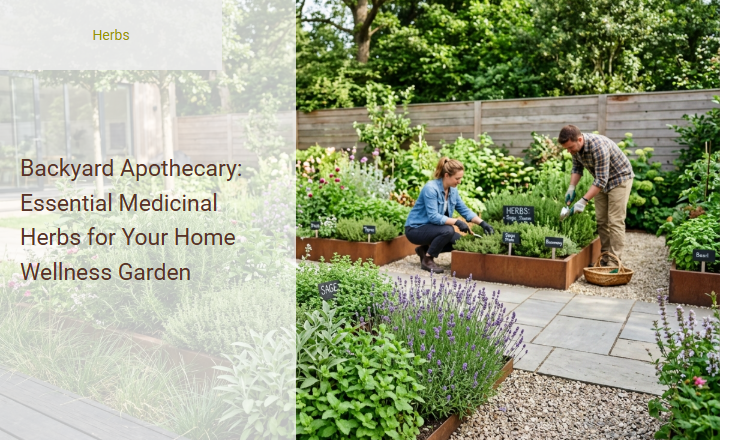
Navigating modern wellness often leaves us reliant on synthetic, over-the-counter solutions that carry unwanted side effects and rising costs. Yet, long before the advent of modern pharmaceuticals, humanity relied on the soil beneath our feet for healing and vitality. Cultivating a backyard apothecary grants you direct agency over your daily health, transforming a simple garden plot into a source of empowering self-sufficiency.
While botanical remedies are meant to support long-term vitality rather than replace professional medical intervention, integrating resilient plants like soothing chamomile for sleep or peppermint for digestive ease provides reliable, chemical-free relief. This guide will outline the essential medicinal herbs to cultivate, optimal growing conditions, and practical preparation methods to help you establish your own home wellness garden.
Read also: Lemongrass vs Citronella Grass for Pest Repellent
Embracing the Backyard Apothecary: An Introduction to Home Wellness
In an era dominated by synthetic quick-fixes, reclaiming the ancient wisdom of the soil offers a profound path to vitality. Cultivating a medicinal herb garden at home is not merely a gardening project; it is an active step toward personal empowerment. By nurturing these botanical allies, you foster a deep sense of self-reliance, knowing that your immediate environment holds the raw materials for everyday health. This practice bridges the modern divide between humans and the earth, restoring our ancient, sensory connection to nature.
Working with soil and seed shifts our paradigm of health from reactive treatment to proactive care. The philosophy of preventive wellness teaches us to nourish the body before disease takes root. Through daily interaction with living plants-breathing their volatile oils, brewing their leaves, and tending to their growth-we build a foundation of resilience that supports both physical health and mental clarity.
Plotting Your Remedy: Designing the Perfect Herb Garden
Successful herb gardening begins with thoughtful design. To transform a simple patch of dirt or a collection of pots into a thriving home apothecary, you must first understand the primary environmental forces that govern plant vitality. Matching the specific needs of your medicinal plants to your microclimate ensures a bountiful, nutrient-rich harvest year after year.
- Sunlight Exposure: Most medicinal herbs, particularly those native to the Mediterranean, require at least six to eight hours of direct sunlight daily to synthesize their therapeutic volatile oils.
- Soil Drainage: Soggy roots lead to decay. Herbs demand loose, well-aerated soil; incorporate organic compost and sand to ensure water drains rapidly away from root systems.
- Container Gardening Options: For limited spaces, balconies, or patios, utilize porous clay pots, fabric grow bags, or vertical planters to mimic ideal drainage while conserving physical space.
Lavender: The Calming Companion for Mind and Body
With its silvery-green foliage and elegant violet spikes, lavender (Lavandula angustifolia) is the quintessential cornerstone of any wellness garden. Renowned for its exceptionally soothing aroma, this hardy perennial thrives in poor, rocky soil and intense, uninterrupted sunlight. Its therapeutic value lies primarily in its essential oils, which have been shown to reduce cortisol levels, calm a racing nervous system, and alleviate mild tension headaches.
"Lavender is of especially good use for all griefs and pains of the head and brain." – John Gerard, The Herball, 1597
When planning your layout, place lavender where you can easily brush past it, releasing its calming scent into the air during your daily routines. It requires minimal watering once established, making it as resilient as it is beautiful.

Peppermint: A Refreshing Tonic for Digestive Health
Few plants offer the immediate, invigorating sensory feedback of peppermint (Mentha x piperita). This robust perennial is highly celebrated for its high concentration of menthol, which acts as a powerful antispasmodic on the digestive tract. A simple tea brewed from fresh leaves can quickly soothe flatulence, ease bloating, and alleviate acute stomach cramps by relaxing the smooth muscles of the digestive system.
Cultivating peppermint is incredibly easy-sometimes too easy. It thrives in moist, rich soil and tolerates partial shade, making it a versatile addition to areas of the garden where other plants might struggle to find enough light.
Echinacea: Cultivating Natural Immune Support
Echinacea, commonly known as the purple coneflower, is as structurally magnificent as it is medicinal. This native wildflower boasts deep taproots that anchor it firmly in dry, clay-heavy soils, allowing it to withstand prolonged droughts. Beyond its visual charm, the daisy-like blossoms act as a magnet for native bees, butterflies, and other beneficial pollinators, boosting the overall ecological health of your backyard habitat.
Historically valued by Indigenous communities, Echinacea is highly prized in modern herbalism for its ability to stimulate the body's natural defenses. Consuming preparations made from its roots and aerial parts during seasonal changes offers crucial immune support, helping to reduce the duration and severity of common winter ailments.
Calendula: The Golden Standard for Skin Healing
Often called the pot marigold, Calendula (Calendula officinalis) is a cheerful annual that effortlessly brightens garden beds from early spring until the first hard frost. Sown easily from its hook-shaped seeds directly into the earth, it adapts to various soil conditions. The magic of this herb is concentrated within its vivid, resinous, bright orange petals, which contain high amounts of flavonoids and carotenoids.
These biochemical compounds grant Calendula remarkable anti-inflammatory, antimicrobial, and vulnerary (wound-healing) properties. When infused into carrier oils and blended with beeswax, Calendula makes a legendary topical salve that heals minor burns, dry eczema, cuts, and scrapes while promoting rapid cellular regeneration.
Chamomile: The Gentle Herb for Restful Sleep
German chamomile (Matricaria chamomilla) offers a delicate touch to the medicinal garden with its feathery green foliage and small, sweet-scented, daisy-like flowers. Preferring the cooler temperatures of spring and autumn, chamomile can struggle in extreme summer heat. Harvesting the tiny flower heads is a meditative task, rewarding the gardener with a harvest that smells faintly of fresh apples.
As a mild sedative, chamomile has been steeped for centuries to quiet a busy mind and prepare the body for restorative sleep. Modern clinical trials support this traditional usage, confirming its efficacy in reducing systemic anxiety and comforting an upset stomach caused by nervous tension. As noted in The Journal of Clinical Psychopharmacology, chamomile extract produces clinically significant antidepressant and anxiolytic effects in patients suffering from mild to moderate generalized anxiety disorder.
The Art of the Harvest: Preserving Herb Potency
The therapeutic efficacy of your homemade remedies depends heavily on the timing of your harvest. Throughout the day, plants undergo complex chemical shifts; their volatile oils-the primary compounds responsible for aroma, flavor, and healing properties-reach peak concentration in the early morning, just after the dew has evaporated but before the intense midday sun coaxes these delicate oils to vaporize into the atmosphere.
To lock in these therapeutic qualities for year-round use, you must preserve them carefully through proper drying and storage techniques:
- Harvest Cleanly: Cut healthy stems using sharp, sterilized shears, discarding any damaged, insect-ridden, or diseased foliage.
- Bundle and Hang: Tie the stems loosely in small bundles using twine and hang them upside down in a warm, dry, dark room with excellent air circulation.
- Check for Dryness: Allow the herbs to dry for one to two weeks until the leaves crumble easily between your fingers and the stems snap cleanly.
- Store Safely: Strip the dried leaves from their stems and store them whole in airtight amber glass jars, keeping them in a cool, dark cupboard to shield them from light degradation.
Kitchen Medicine: Preparing Infusions, Decoctions, and Salves
Once you have dried your botanical bounty, the next step is transforming raw plant matter into easy-to-use home remedies. Different plant parts hold their therapeutic compounds in different physical structures, requiring distinct extraction methods. While soft leaves and flowers yield their virtues easily to hot water, tough roots, barks, and resins demand intensive heat, and fat-soluble compounds require an oily medium.
- Infusion
- A water-based extraction method used for delicate aerial parts like leaves and flowers. Dried herbs are steeped in boiling water for 10 to 20 minutes in a covered vessel to prevent volatile oils from escaping via steam.
- Decoction
- A method used for tough, woody materials like roots, bark, and seeds. The plant parts are simmered gently in water over low heat for 20 to 45 minutes to break down dense cell walls and extract water-soluble compounds.
- Salve
- A topical ointment made by infusing dried herbs into a carrier oil (such as olive or jojoba oil) over several weeks, straining out the plant material, and heating the infused oil with cosmetic-grade beeswax to solidify it.
Cultivating Safely: Dosage, Identification, and Respect for the Craft
While cultivating a home apothecary is a deeply rewarding endeavor, it carries a profound responsibility. Plants are potent biochemical factories, and "natural" does not inherently mean "harmless." Accurate botanical identification is critical; some toxic look-alikes can easily be confused with medicinal varieties. Always utilize trusted field guides or consult an experienced herbalist before ingesting any wild or cultivated plant.
Furthermore, active plant compounds can interact dynamically with pharmaceutical medications. Herbs can amplify or suppress the effects of prescribed drugs, potentially leading to adverse reactions. It is essential to approach herbal medicine as a partner to, rather than a replacement for, professional medical care.
Disclaimer: The information provided in this article is for educational purposes only and is not intended as medical advice. Always consult with a qualified healthcare professional, doctor, or registered herbalist before starting any new herbal regimen, especially if you are pregnant, nursing, taking medications, or managing chronic health conditions.
Summary
Backyard Apothecary: Essential Medicinal Herbs for Your Home Wellness Garden explores the rewarding practice of cultivating a personal, natural pharmacy right at home. The article highlights how growing your own remedies fosters self-reliance and deepens your connection to nature. It profiles several key, easy-to-grow medicinal herbs, including calming lavender for stress relief, soothing chamomile for sleep, healing calendula for skin care, and invigorating peppermint for digestive health.
Beyond plant profiles, the guide provides practical advice on successful cultivation, harvesting at peak potency, and simple preparation methods. Readers will learn how to transform these backyard plants into powerful everyday remedies like herbal teas, infused oils, and topical salves. Ultimately, the article empowers homeowners to take control of their well-being by establishing a beautiful, sustainable, and functional wellness garden that supports physical and mental health naturally.
Leave a comment