
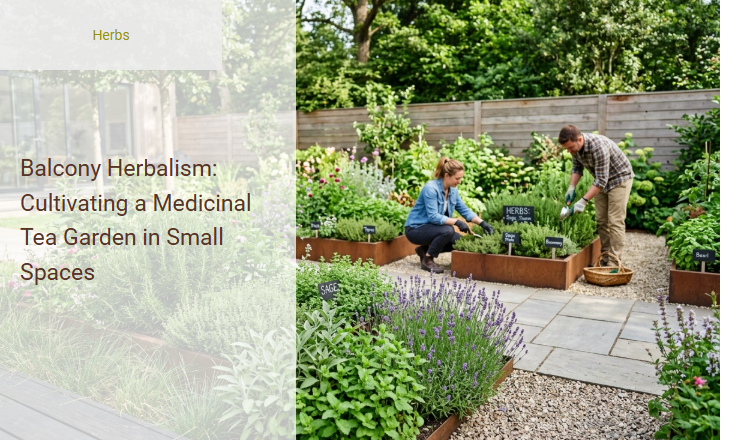
For urban dwellers, the desire to connect with natural wellness often clashes with the frustrating reality of limited square footage. While traditional herbalism conjures images of sprawling country gardens, the practice of cultivating healing botanicals has always been highly adaptable.
Transitioning to container-based cultivation grants you direct, daily access to fresh, potent, and cost-effective remedies right at your doorstep. However, small-space agriculture requires a strategic approach; success depends on understanding container microclimates and drainage rather than relying on sheer acreage. Selecting resilient, high-yield plants like soothing Chamomile for sleep or Peppermint for digestive support provides immediate, tangible proof of what a small balcony can yield.
In this guide, we will outline the essential steps to establish your balcony tea garden, detailing optimal container selection, soil formulations, and the best medicinal herbs to cultivate for your personal apothecary.
Read also: Lemon Verbena vs Lemon Thyme for Tea Gardens
Introduction to Balcony Herbalism
Cultivating a medicinal tea garden on a small balcony is a transformative journey that bridges urban living with the healing power of nature. Even in the most limited spaces, tending to living plants offers profound physical and mental therapeutic benefits. The act of nurturing green life acts as a natural stress reliever, grounding your mind and lowering cortisol levels. Physically, consuming fresh, organic infusions provides your body with potent antioxidants, digestive support, and soothing properties free from chemical preservatives.
Assessing Your Balcony Microclimate
Before placing your first pot, you must evaluate the unique environmental conditions of your balcony. Balconies are distinct microclimates affected by surrounding structures, elevation, and exposure. Analyzing these factors ensures your medicinal herbs thrive rather than struggle.
- Sunlight Levels: Observe your balcony throughout the day to track how many hours of direct sunlight it receives. South- and west-facing balconies offer full sun, ideal for Mediterranean herbs, while north- and east-facing spaces favor shade-tolerant varieties.
- Wind Exposure: Higher balconies often experience strong, drying winds that can dehydrate plants quickly and damage fragile stems. Heavy, sturdy pots or protective windbreaks may be necessary.
- Structural Weight Limits: Soil, water, and heavy containers accumulate weight rapidly. Check your building's safety guidelines and opt for lightweight pots like resin or fabric if weight limits are a concern.
Selecting the Right Containers and Soil
For container-grown medicinal herbs, the foundation of survival lies in the choices of potting vessels and growing mediums. Unlike garden-bed plants, container herbs rely entirely on the limited space and nutrients within their pots to sustain their root systems. Utilizing high-quality organic soil mixes specifically formulated for container drainage prevents compaction and root rot.
- Clay and Terracotta Pots: These porous materials allow soil to breathe and dry out naturally, making them perfect for drought-tolerant herbs.
- Vertical Planters: Maximizing vertical space with wall-mounted pockets or stacked planters is ideal for expanding your growing area without occupying valuable floor space.
- Fabric Grow Bags: Excellent for root health, fabric bags encourage air-pruning, preventing root-bound plants while offering superb drainage.
Essential Medicinal Herbs for Small Spaces
Peppermint
Peppermint is a vigorous, fast-growing herb that excels in container culture, which naturally restrains its invasive root system. Medicinally, its high menthol content serves as a superb digestive aid, relieving bloating and soothing tension headaches. It thrives in partial shade and requires consistently moist, well-draining soil.
German Chamomile
Featuring delicate, daisy-like blossoms, chamomile is highly valued for its gentle sedative properties, making it a staple for sleep-promoting teas. Chamomile grows in a feathery, upright habit and prefers full sun to light shade, flourishing in average, well-drained soil.
Lemon Balm
A member of the mint family, lemon balm is beloved for its bright, citrusy aroma and its ability to reduce anxiety and promote cognitive focus. This bushy perennial grows beautifully in pots, tolerating partial shade and requiring moderate watering to keep its lush green leaves vibrant.
Rosemary
Rosemary is a hardy, woody perennial known for its memory-enhancing benefits and high concentration of antioxidants. It adopts an upright or cascading growth habit, making it ideal for sunny balcony railings. It requires sandy, fast-draining soil and very little water.
Thyme
Thyme is a low-growing, drought-tolerant herb rich in thymol, a powerful antimicrobial compound that supports respiratory health. Its compact growth habit makes it perfect for filling small gaps or trailing over the edges of containers in full sun.
Planting and Companion Grouping
Success in small-space gardening relies heavily on smart planting techniques and companion grouping. When planting seeds or young starter plants, match varieties that share identical water, light, and soil preferences to prevent root rot or dehydration.

Daily Care and Watering Strategies
Consistent maintenance is the secret to a high-yielding balcony garden. Because container soil dries out much faster than ground soil, monitoring moisture levels daily is vital. Implementing efficient watering techniques and non-chemical pest management will keep your herbs healthy and safe for consumption.
- Watering Schedule: Water deeply until moisture runs out of the drainage holes, but only when the top inch of soil feels dry to the touch. Water in the early morning to minimize evaporation.
- Drainage Management: Never let pots sit in standing saucer water, as soggy roots quickly lead to fungal rot. Use pot feet to elevate containers and allow free water flow.
- Organic Pest Control: Inspect leaves regularly for pests like aphids or spider mites. Treat infestations organically by spraying with dilute neem oil or a mild insecticidal soap mix.
Pruning for Abundant Harvests
Pruning is not merely about keeping your balcony tidy; it is a vital practice that stimulates fresh growth and maximizes your harvest. Regular pruning prevents your medicinal plants from becoming leggy and woody, redirecting energy into producing tender, nutrient-dense leaves and abundant blossoms. To prune correctly, always use sharp, sterilized shears and cut just above a leaf node where new stems will emerge. Pinching back the growing tips of young herbs like mint and lemon balm encourages them to branch out, resulting in a much bushier plant and a far greater yield for your tea blends.
Harvesting at Peak Potency
To capture the highest concentration of volatile oils and medicinal compounds, timing is everything. Harvesting at the correct stage of growth ensures that your therapeutic teas are both flavorful and highly potent. For leaf-focused herbs like mint and lemon balm, harvest before the plant begins to flower, as energy shifts to seed production and leaves lose their strength. For floral teas like chamomile, collect the blossoms when they are fully open but before they begin to fade.
The absolute best time of day to harvest is during the , just after the dew has evaporated but before the intense afternoon sun draws the essential oils out of the foliage. Always harvest during the active growing season of when the plants are at their peak vitality.
Drying and Preserving Your Herb Harvest
Preserving your balcony harvest allows you to enjoy self-grown herbal teas throughout the colder months. Drying herbs in small spaces requires minimal equipment but careful attention to air circulation to prevent mold growth.
- Air-Drying Bundles: Gather small bunches of stems, tie them loosely at the base with kitchen twine, and hang them upside down in a warm, dry, well-ventilated area away from direct sunlight.
- Using Drying Screens: For individual leaves or flowers like chamomile, lay them flat in a single layer on a clean, mesh screen or a paper-lined tray to ensure even airflow.
- Airtight Storage: Once the herbs are completely dry and crumble easily, strip the leaves from the stems and store them in airtight glass jars kept in a cool, dark cupboard to preserve their potency.
Brewing Your First Homegrown Cup
Transforming your fresh or dried balcony herbs into a healing beverage is a deeply rewarding ritual. Depending on the plant parts you are using, you will utilize either an infusion or a decoction to extract the optimal therapeutic benefits.
The Classic Infusion Method
Infusions are ideal for delicate leaves and flowers, such as chamomile, mint, and lemon balm.
- Place one tablespoon of dried herbs or two tablespoons of fresh bruised herbs into a heatproof cup or teapot.
- Pour eight ounces of boiling water directly over the herbs to release their aromatic compounds.
- Cover the vessel immediately with a lid or saucer to prevent the medicinal essential oils from escaping with the steam.
- Steep for ten to fifteen minutes, strain, and enjoy your soothing home-brewed remedy.
Summary
"Balcony Herbalism: Cultivating a Medicinal Tea Garden in Small Spaces" explores how urban residents can transform limited outdoor areas into productive, healing sanctuaries. Even the smallest balcony can support a thriving variety of medicinal herbs suitable for brewing health-promoting teas.
The guide highlights versatile, easy-to-grow plants such as chamomile, peppermint, lemon balm, and lavender, which flourish in container environments. Readers will learn essential cultivation techniques, including selecting the right pots, optimizing sunlight exposure, and using well-draining soil mixes tailored for container gardening.
Additionally, the article covers proper harvesting and drying methods to preserve the herbs' therapeutic properties and flavors. By cultivating their own tea gardens, apartment dwellers can connect with nature, reduce their ecological footprint, and enjoy a sustainable, personalized home apothecary right at their doorstep.
Leave a comment