
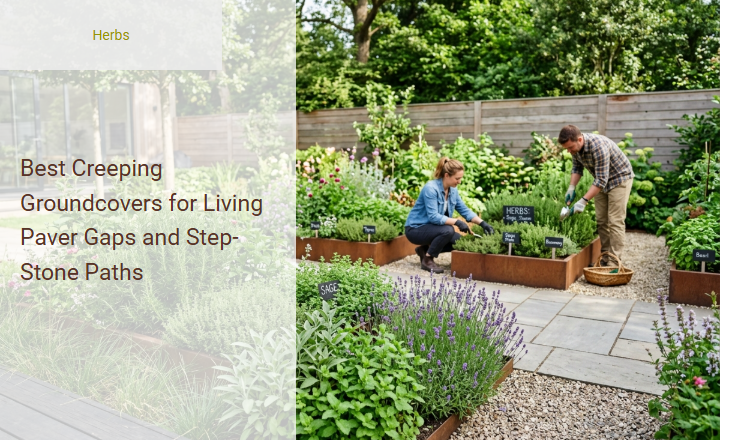
Maintaining the narrow gaps between stepping stones and patio pavers is a notorious chore. Homeowners constantly battle invasive weeds, eroding soil, and unsightly bare dirt in these high-traffic crevices. While traditional hardscape sealants offer a sterile, high-maintenance barrier, there is a more elegant, ecological solution.
By integrating living groundcovers into these stone pathways, you can transform cold stone lines into a vibrant, self-healing tapestry. This natural approach not only smothers weed seeds but also softens the hard edges of your landscape, adding sensory texture and seasonal color. However, achieving this look requires a strategic approach; not all plants can survive the compacted soil, heat retention, and foot traffic unique to paver gaps.
Proven varieties like aromatic Elfin Thyme (Thymus serpyllum) and velvet-soft Irish Moss (Sagina subulata) illustrate how the right selection can thrive under pressure. In this guide, we will analyze the best creeping groundcovers, categorized by light requirements and durability, to help you select the ideal living mortar for your garden path.
Read also: Corsican Thyme vs Woolly Thyme for Between Pavers
Embracing Living Paver Gaps and Step-Stone Paths
There is a unique magic in a garden path that feels integrated with nature rather than forcing its way through it. Choosing to plant creeping groundcovers in the gaps between your pavers and stepping stones turns a hard, sterile surface into a breathing, vibrant feature. This design choice softens the harsh lines of concrete or natural stone, offering a lush aesthetic appeal that frames each step with life. Beyond the undeniable visual charm, these living joints provide significant environmental benefits. They help reduce stormwater runoff by allowing rain to penetrate the soil, cool the surrounding ground temperature, and create tiny micro-habitats for beneficial insects. Embracing these green crevices shifts your walkway from a basic utilitarian path into an active, ecological contributor to your garden ecosystem.
Crucial Factors for Choosing the Right Groundcover
Before purchasing your plants, it is essential to analyze the specific microclimate of your walkway. Every pathway has unique demands, and matching the right species to your environment ensures long-term survival and minimal maintenance.
- Foot Traffic Tolerance: Consider how often the path will be walked upon. Some delicate plants can only handle occasional steps, while others thrive under regular heavy use.
- Sun Exposure: Assess the amount of direct sunlight the gaps receive throughout the day. Full sun, partial shade, and deep shade require vastly different plant profiles.
- Moisture Levels: Walkways with excellent drainage require drought-tolerant species, whereas low-lying stones that collect water need moisture-loving groundcovers.
- USDA Hardiness Zones: Ensure the plant you choose is resilient enough to survive both the freezing winter temperatures and intense summer heat of your local climate.
Creeping Thyme: The Fragrant and Resilient Classic
If you are looking for a reliable, hard-working plant to fill your sunny stone pathways, look no further than Creeping Thyme (Thymus serpyllum). This beloved evergreen groundcover is celebrated for its incredible drought tolerance once established, making it perfect for dry, sandy joints where other plants might wither. It easily handles moderate foot traffic, bouncing back quickly after being stepped on. Best of all, stepping on its leaves releases an incredible, sweet herbal aroma that fills the air. During the warm summer months, it bursts into a dense carpet of tiny pink, lavender, or purple blooms, turning your path into a sensory masterpiece.
Irish and Scotch Moss: Velvet Carpets for Shaded Paths
For paths that meander through cooler, less sun-drenched areas of your yard, Irish Moss (Sagina subulata) and its golden-hued cousin, Scotch Moss, offer an incredibly luxurious solution. These groundcovers form dense, cushiony, velvet-like mounds that mimic true forest mosses but are much more resilient. They thrive best in partial shade and require consistent, moderate moisture to maintain their bright, healthy coloration. When provided with these stable conditions, they will reward you with tiny, star-like white flowers in the spring, creating a soft and magical woodland aesthetic beneath your feet.
Blue Star Creeper: Tough Performance with Delicate Blooms
When durability is your primary concern, Blue Star Creeper (Isotoma fluviatilis) stands out as an exceptional performer. This powerhouse groundcover is incredibly tough, capable of handling heavy foot traffic without missing a beat, making it ideal for primary garden pathways and high-use patios. Despite its rugged nature, it possesses a delicate appearance, producing an abundance of tiny, star-shaped pale blue flowers from spring through autumn. It spreads efficiently via underground runners, filling tight gaps quickly and forming a solid, weed-suppressing mat of green.
Corsican Mint: A Low-Growing Aromatherapy Walkway
Imagine walking down a path and being greeted by a refreshing burst of peppermint with every single step. This is the delight offered by Corsican Mint (Mentha requienii), an ultra-low-growing species that rarely exceeds a quarter-inch in height. This dainty plant features microscopic bright green leaves that release an intense minty fragrance when bruised or stepped on. It is best suited for damp, semi-shady gaps where it can receive adequate moisture and protection from the scorching afternoon sun, making it a stellar candidate for intimate garden nooks.
Brass Buttons: Architectural Texture for High-Traffic Gaps
For gardeners seeking an unusual, structural look, Brass Buttons (Leptinella squalida) offers miniature architectural beauty. This groundcover is famous for its intricate, fern-like foliage that creates a highly textured surface between stone pavers. The leaves display a striking bronze-green and purple-tinted coloration that adds deep contrast to cold grey stones. Beyond its visual intrigue, Brass Buttons is highly resilient, shrugging off heavy foot traffic and spreading reliably to form a tight, springy mat that keeps weeds at bay.
Step-by-Step Guide to Planting in Paver Gaps
Successfully establishing groundcovers in the narrow, compacted spaces between pavers requires careful preparation and technique. Follow these steps to give your plants the best start possible:
- Clear the joints: Remove all existing weeds, roots, and loose gravel from the gaps down to a depth of at least two to three inches.
- Prepare the soil mix: Fill the cleared gaps with a high-quality blend of compost and sandy loam to ensure both nutrients and proper drainage.
- Plant the plugs: Cut your groundcover flats into small, manageable plugs and press them gently into the soil mixture, keeping the crown level with the bottom of the pavers.
- Water thoroughly: Soak the newly planted areas immediately with a gentle mist setting to settle the soil around the roots without washing the plants away.
Ongoing Maintenance and Weed Control Strategy
A living pathway requires consistent care during its first year to thrive. Establishing a regular watering schedule is crucial; the soil in narrow paver gaps dries out quickly, so shallow, frequent misting is necessary until the roots run deep. Once the plants are established, you can taper off watering, depending on the drought tolerance of your chosen species.
To keep the path looking neat and to prevent the plants from overtaking the stone surface, perform occasional edging and trimming. You can easily shear back unruly growth using hand shears or a weed trimmer. Managing weeds is another critical task; always pull weeds by hand when they are small to avoid disrupting the establishing root systems of your groundcover, and avoid using broad-spectrum chemical herbicides that could easily damage your beautiful living walkway.
Transforming Walkways into Living Landscape Art
Designing a pathway with living green joints is one of the most rewarding ways to elevate your home landscape. By carefully selecting groundcovers that match your local environment and foot traffic levels, you turn simple, utilitarian paths into dynamic, breathing features. These hardy plants fill the gaps with color, texture, and scent, softening stone edges and blending the built environment with the natural world. Instead of walking over your garden, you are invited to walk through it, experiencing a sensory journey with every single step you take.
Summary
This article explores the best creeping groundcovers to fill the gaps between pavers and stepping stones, transforming ordinary walkways into lush, living pathways. Selecting the right plants requires balancing aesthetics with durability, as these species must tolerate foot traffic and confined root spaces. Top recommendations include resilient varieties like creeping thyme (Thymus serpyllum), which releases a pleasant aroma when stepped on, and vibrant Irish Moss (Sagina subulata) for a soft, carpet-like texture. Other excellent choices include shade-tolerant Corsican Mint, hardy Sedum varieties, and low-growing Elfin Thyme.
Beyond their visual appeal, these living groundcovers serve practical purposes by suppressing weeds, preventing soil erosion, and softening the harsh lines of stone hardscaping. Incorporating these step-tolerant plants adds charm, fragrance, and texture to any outdoor landscape.
Leave a comment