
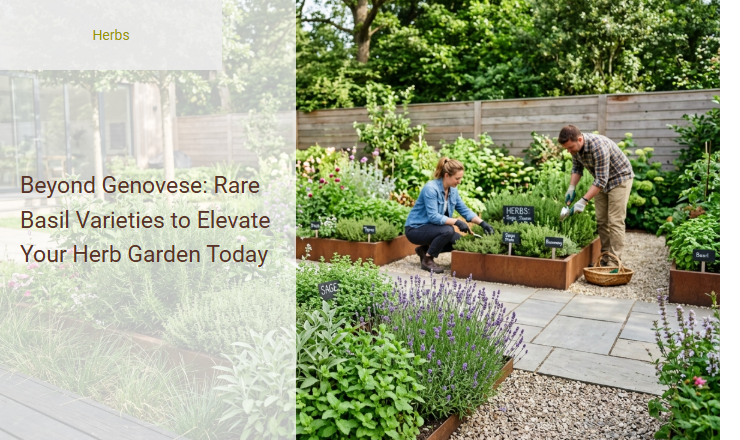
Many passionate home gardeners eventually face a frustrating plateau: despite their best efforts, their herb beds yield the same predictable flavors year after year, leaving both the garden and kitchen feeling somewhat stagnant. While classic Genovese basil has earned its status as the undisputed backbone of traditional pestos, relying solely on this single cultivar overlooks a vast world of horticultural potential.
Expanding your botanical repertoire grants an immediate sensory upgrade, introducing complex aromatic profiles that can elevate everyday culinary dishes. Successfully growing these specialty herbs requires a basic understanding of their unique soil and sun preferences, though their exceptional yields make this minor learning curve highly rewarding.
By integrating striking varieties like the visually stunning 'Dark Opal', the warm and spicy 'Cinnamon' basil, or the highly revered 'Holy Basil' (Tulsi), you can transform your garden's aesthetic and flavor profile. In this guide, we will analyze these rare basil varieties, detailing their growth habits and culinary applications to help you diversify your harvest today.
Read also: Sweet Basil vs Thai Basil for Heat Tolerance
Introduction: Stepping Beyond the Genovese Standard
For most culinary enthusiasts, the mention of basil conjures immediate images of classic Caprese salads and rich, pine-nut-laden pestos. While the ubiquitous Ocimum basilicum-specifically the beloved Genovese variety-has earned its place as a kitchen staple, sticking solely to this classic herb means missing out on a vast, vibrant botanical spectrum. Earthy, spicy, citrusy, and visually stunning cultivars await the adventurous gardener and home chef. Stepping beyond the familiar sweet profile opens a portal to global cuisines and breathtaking garden aesthetics, transforming simple plots and everyday plates into extraordinary sensory experiences.
Holy Basil (Tulsi): The Sacred and Earthy Healer
Holy Basil (Tulsi)
Revered across the Indian subcontinent, Ocimum tenuiflorum, commonly known as Tulsi, occupies a transcendent niche that bridges spiritual devotion and natural wellness. Unlike its sweet European cousins, this variety delivers a deeply complex profile characterized by sharp, peppery undertones and a warm, clove-like aroma. In Hindu culture, it is worshipped as a terrestrial manifestation of the goddess Lakshmi, often grown in specialized courtyards to bring auspicious energy and purification to the home. Beyond its sacred status, modern herbalism celebrates Tulsi as a powerful adaptogen-a therapeutic botanical that helps the human body adapt to psychological and physical stress, fostering vitality and a profound sense of calm with every soothing brew.
Thai Cinnamon Basil: A Spicy, Fragrant Powerhouse
Thai Cinnamon Basil
Those seeking to replicate the true, vibrant flavors of Southeast Asian street food must look no further than Thai Cinnamon Basil. This cultivar immediately commands attention in the garden with its striking, deep purple stems contrasted against lush green leaves. When bruised or chopped, the foliage releases an intense, sweet, and highly spiced aroma reminiscent of fresh bark and star anise. This unique sensory profile is driven by the presence of methyl cinnamate, the organic compound responsible for its unmistakable cinnamon-like fragrance. Essential for authentic pho, green curries, and spicy stir-fries, this robust herb holds up remarkably well to high heat, ensuring its pungent warmth infuses every bite.
Dark Opal Basil: Visual Drama in the Garden and Kitchen
Dark Opal Basil
If you wish to introduce a dramatic contrast to your garden beds and culinary presentation, Dark Opal Basil is an exceptional choice. Developed in the mid-20th century, this award-winning variety features rich, near-black, deep purple foliage that shimmers beautifully under direct sunlight. In mid-to-late summer, it produces delicate, pale pink flowers that contrast exquisitely with its dark leaves. Beneath its striking appearance lies a wonderfully balanced flavor-subtly sweet with a mild, clove-infused undertone. This natural pigmentation makes it incredibly popular for creating vibrant, jewel-toned violet herbal vinegars and dramatic pestos that captivate the eye as much as the palate.

Lemon and Lime Basils: Zesty Citrus Innovations
Lemon and Lime Basils
Injecting a bright, refreshing burst of acidity into the basil family, citrus-scented varieties are a revelation for both gardeners and mixologists. Lemon basil (Ocimum × citriodorum) and its counterpart, Lime basil, derive their exhilarating scents from natural compounds like citral and limonene. These aromatic elements offer a crisp, tangy alternative to standard sweet basils, making them invaluable assets in light, refreshing summer dishes. Here are a few outstanding ways to incorporate these zesty herbs into your culinary repertoire:
- Seafood Infusions: Gently bruise the leaves and use them as a bed for steaming delicate white fish, or mince them finely to fold into a citrusy butter sauce for grilled shrimp.
- Artisanal Beverages: Muddle the fresh leaves with raw sugar or honey to elevate iced black teas, herbal infusions, and sparkling summer lemonades.
- Summer Desserts: Churn finely chopped lime basil into gourmet coconut sorbets, or steep lemon basil leaves in a sweet syrup to drizzle over fresh seasonal stone fruits and berries.
Cardinal Basil: The Ultimate Ornamental Edible
Cardinal Basil
Bridging the gap between the ornamental flower bed and the productive kitchen garden, Cardinal Basil is a spectacular showstopper. It is named for its massive, tightly clustered, deep red-purple flower heads that bear a striking resemblance to celosia blooms. While most basils are pinched to prevent flowering, this cultivar is actively celebrated for its stunning inflorescence, which attracts pollinators in droves. Beyond its immense visual appeal, it is a highly functional culinary herb, boasting a spicy, warming flavor profile packed with anise-like undertones. It stands out as a premier ornamental edible, delivering structural beauty to landscape designs while offering robust flavor to slow-cooked Mediterranean stews and roasted summer vegetables.
Greek Bush Basil: Miniature Leaves, Monumental Flavor
Greek Bush Basil
For those gardening with limited real estate, Greek Bush Basil offers a masterclass in space efficiency. This charming variety naturally grows into a neat, perfectly symmetrical, tight spherical mound that rarely exceeds eight to ten inches in height. It is covered in hundreds of tiny, delicate leaves that pack an incredibly concentrated punch of sweet, spicy basil flavor. Because the leaves are so small, there is no need for chopping; simply pluck and scatter them over your dishes for an instant burst of herbal freshness. Its compact nature and tidy growth habit make it the absolute gold standard for windowsill planters, balcony containers, and decorative borders.
Cultivation Secrets for Rare Basil Varieties
Nurturing uncommon and delicate basil cultivars requires a nuanced understanding of their specific environmental preferences. To coax the maximum concentration of essential oils, vibrant coloration, and lush leaf production from these specialty plants, follow these essential horticultural guidelines:
- Provide Abundant Sunlight: Ensure your rare basil varieties receive at least six to eight hours of direct, unfiltered sunlight daily. Varieties with dark pigments, such as Dark Opal, require intense sun to maintain their brilliant purple hues.
- Ensure Superior Soil Drainage: Plant your herbs in loose, fertile, well-drained soil with a slightly acidic to neutral pH. Basil is highly susceptible to root rot, so using containers with ample drainage holes and adding perlite to your potting mix is critical.
- Implement Strategic Pinching: To encourage bushy growth and prevent the plants from going to seed prematurely, regularly pinch back the growing tips just above a leaf node. This redirects the plant's energy into lateral branching, vastly increasing your seasonal harvest.
Gastronomic Pairings: Matching Basil to the Plate
| Basil Variety | Key Flavor Notes | Ideal Culinary Partners |
|---|---|---|
| Holy Basil (Tulsi) | Peppery, warm clove, anise | Herbal teas, vegetable curries, stir-fries |
| Thai Cinnamon | Licorice, sharp cinnamon spice | Beef pho, green curry, coconut milk dishes |
| Dark Opal | Mild clove, subtle sweet undertone | Infused vinegars, heirloom tomato salads |
| Lemon / Lime | Tangy citrus, refreshing zest | Grilled fish, summer berries, light sorbets |
| Cardinal | Spicy, robust anise | Roasted root vegetables, rich tomato stews |
| Greek Bush | Intense sweet basil, concentrated pepper | Fresh pasta, rustic pizzas, bruschetta toppings |
Designing Your Dream Herb Garden Oasis
Integrating these extraordinary cultivars into your gardening landscape and kitchen elevates simple meals into unforgettable sensory feasts. The journey from standard Genovese to the spicy warmth of Cinnamon basil, the deep wellness properties of Tulsi, or the majestic beauty of Dark Opal is immensely rewarding. Transform your backyard plots, balcony containers, and kitchen windowsills into a fragrant, living tapestry of global flavors. We invite you to embark on this green adventure today: share your favorite rare basil varieties and your most successful kitchen experiments with us in the comments below!
Summary
While Genovese basil remains a beloved staple in kitchens worldwide, "Beyond Genovese: Rare Basil Varieties to Elevate Your Herb Garden Today" invites home gardeners to explore the vibrant, diverse world of rare basil varieties. The article highlights how expanding your herb garden with unconventional cultivars can dramatically elevate both your landscaping and your culinary creations.
From the striking deep-purple foliage of 'Purple Ruffles' to the zesty, citrus-infused aroma of Lemon basil, these unique plants offer unexpected sensory delights. Readers will discover the distinct flavor profiles of varieties like Licorice (Anise) basil, spicy Thai basil, and sacred Holy basil (Tulsi), each bringing specialized culinary uses and medicinal properties.
Beyond their utility in the kitchen, these rare basils attract beneficial pollinators with beautiful blooms and add ornamental interest to garden beds. By embracing these lesser-known varieties, gardeners can easily transform simple dishes into gourmet experiences and cultivate a more resilient, biodiverse garden ecosystem.
Leave a comment