
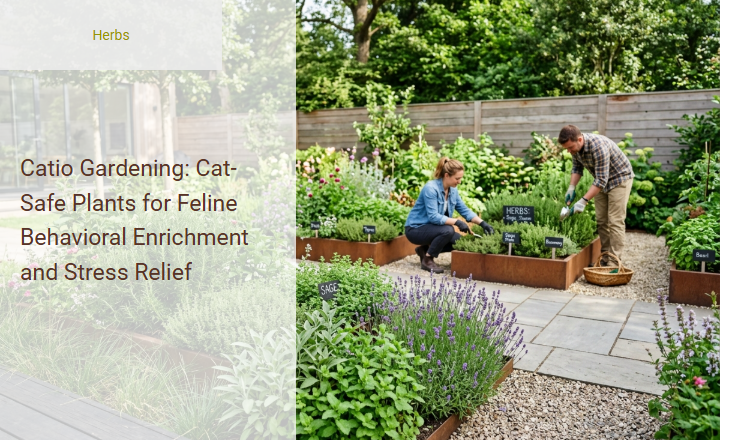
Keeping indoor cats mentally stimulated is a constant challenge for pet owners, often resulting in feline anxiety, destructive behaviors, or the persistent worry of curious pets chewing on toxic houseplants. To address this, many caretakers are turning to "catios"-secured outdoor enclosures-to offer safe exposure to the natural world.
Integrating curated greenery into these spaces grants your feline vital sensory enrichment and natural stress relief. However, establishing a botanical sanctuary requires strict educational curation, as not all greenery is suitable for feline contact. Selecting clinically non-toxic, highly interactive species-such as fiber-rich cat grass, euphoric catmint, and tactile spider plants-ensures a stimulating environment that safely satisfies their instinctual grazing and play behaviors.
In this guide, we will examine the top cat-safe plant species, practical design layouts for maximum behavioral impact, and essential safety protocols to maintain a thriving, hazard-free catio oasis.
Read also: Catnip vs Catmint for Feline Deterrent
Introduction to Catio Gardening: Creating a Feline Oasis
Catios, or cat patios, offer our indoor feline companions a secure portal to the outdoor world. By integrating carefully selected, cat-safe flora, you can transform a simple wire enclosure into a lush, living paradise. This practice of catio gardening merges structural safety with botanical design, providing an environment that actively reduces stress and nurtures a cat's instinctual curiosity.
A thoughtfully planted catio does more than look beautiful; it serves as a therapeutic sanctuary. Introducing living elements such as grasses, safe herbs, and leafy textures allows cats to engage with nature safely. This sensory stimulation helps alleviate anxiety, keeping your pet active, engaged, and physically healthy.
The Sensory World of Cats: Why Botanical Enrichment Matters
Cats experience the world through highly specialized, acute senses. Their sense of smell is significantly more advanced than our own, detecting subtle chemical signatures in the air. By introducing a variety of non-toxic plants, we can offer cats an olfactory landscape that stimulates their minds and mimics their ancestral wild habitats.
Visual and tactile stimulation are equally vital. Gently swaying leaves capture a cat's visual attention, while different leaf textures provide varied physical feedback when brushed against. Offering this diverse range of sensory inputs actively prevents indoor boredom, helping to curb destructive behaviors by redirecting their energy toward safe exploration.
Structural Planning: Designing Your Catio for Plant Integration
Integrating plants into a catio requires thoughtful layout planning to balance botanical beauty with feline safety and structural integrity. Cats love to climb, jump, and explore vertical dimensions, meaning your garden layout must account for high-energy acrobatics.
- Install wide, sturdy vertical shelving that can support both the weight of a cat and heavy planters.
- Utilize secure hanging baskets positioned strategically out of high-velocity jumping paths to prevent collisions.
- Anchor heavy floor planters firmly to the ground or walls to prevent tipping during a sudden zoomie episode.
- Create stepped platforms where plants and lounging areas alternate, allowing safe pathways for climbing.
Cat Grass: The Ultimate Green Digestible Treat
The Benefits of Oats, Wheat, and Barley Grasses
Cat grass is a nutritious dietary supplement consisting of varieties like wheatgrass, oat grass, and barley grass. Eating these grasses provides cats with beneficial fiber, which assists with feline digestion and aids in the natural elimination of hairballs. It also offers essential micronutrients and folic acid, supporting overall vitality.
Tips for Cultivating Cat Grass
Growing cat grass is simple and highly rewarding. Sow seeds in a shallow, wide-bottomed container using organic potting soil. Keep the soil moist but not waterlogged, placing the container in a sunny spot. Once the shoots reach about four inches in height, they are ready to be placed in the catio for your cat to graze upon. Regular trimming and rotation of pots ensure a continuous fresh supply.
Catnip and Cat Thyme: Natural Stress Relievers
Understanding Nepeta cataria and Cat Thyme
Catnip (Nepeta cataria) is world-famous for its dramatic effects on felines. The active compound, nepetalactone, binds to olfactory receptors, triggering a temporary euphoric state. Cat thyme (Teucrium marum) acts as an excellent alternative herb, eliciting a similar response for many cats, especially those who might not respond to catnip.
From Playful Euphoria to Deep Serenity
When exposed to these botanical treats, cats typically enter a highly playful phase characterized by rolling, rubbing, purring, and active play. After about ten to fifteen minutes, this energetic excitement naturally transitions into a period of deep, peaceful relaxation. This predictable cycle serves as an exceptional natural stress reliever, leaving your cat feeling content and calm.
Valerian Root and Silver Vine: Powerful Catnip Alternatives
Why Some Cats Need Alternatives
Not all cats carry the hereditary gene required to react to catnip. In fact, roughly one-third of the feline population remains completely indifferent to it. For these individuals, alternative botanical stimulants are essential for providing enrichment and sensory play within the catio.
The Power of Silver Vine and Valerian Root
Silver Vine is an exceptionally potent alternative that contains multiple active compounds, often triggering a joyful reaction in cats unaffected by catnip. Valerian Root contains actinidine, an organic compound that acts as a safe, natural stimulant for cats. Planting these in your catio ensures that every feline, regardless of genetics, can experience botanical joy.
Safe Ornamentals: Boston Ferns and Spider Plants
Adding Lushness with Non-Toxic Foliage
To create a truly immersive jungle-like atmosphere in your catio, you need structurally beautiful ornamentals. Choosing safe options allows you to design a visually stunning green space without worrying about toxic exposure if your cat decides to nibble.
- Spider Plants: These plants have dangling plantlets that mimic interactive toys, keeping cats entertained.
- Boston Ferns: These offer beautiful, feathery fronds that add deep green volume and safe cover for cats to hide behind.
- Areca Palms: Tall, arching fronds catch the wind, providing visual movement and excellent shade.
Red Alert: Common Toxic Plants to Exclude from Your Catio
When curating plants for a catio, absolute botanical verification is the single most important step. Many common garden plants contain highly toxic compounds that can lead to severe organ failure or death if ingested by curious cats.
- Lilies (Lilium species): Extremely toxic; even chewing a single leaf or licking pollen can cause fatal kidney failure.
- Sago Palms (Cycas revoluta): Every part of this plant is highly toxic, causing severe liver damage.
- English Ivy (Hedera helix): Contains toxins that cause gastrointestinal distress, excessive drooling, and difficulty breathing.
- Azaleas (Rhododendron species): Ingestion can lead to cardiovascular collapse and neurological issues.
Crafting Interactive Sensory Zones in the Catio
A well-planned catio acts as a multi-functional habitat. By organizing the space into designated activity zones, you can satisfy your cat's diverse daily needs for play, relaxation, hydration, and scratching.
- The Grazing and Play Zone: Group cat grass and catnip near active play items like scratching posts.
- The Hydration and Zen Zone: Nestle a bubbling cat water fountain among lush, moisture-loving Boston ferns to create a soothing oasis.
- The Lookout and Sunbathing Zone: Position high, sunny shelves surrounded by hanging spider plants to offer shade and camouflage.
Maintenance and Safety Checklist for a Thriving Catio
Keeping a catio safe and beautiful requires ongoing maintenance. Regular inspections ensure that the plant life remains healthy and that no hidden hazards develop over time.
- Use Organic Fertilizers Only: Avoid chemical fertilizers that can leave toxic residues on leaves or soil. Stick to completely organic compost or fish emulsion.
- Practice Safe Pest Control: Never use synthetic pesticides. Utilize natural mechanical removal or insecticidal soaps that are marked as safe for pets.
- Inspect for Mold and Decay: Wet soil can harbor mold. Routinely inspect plant roots, leaves, and soil surfaces, removing dead leaves promptly.
- Check Pot Stability: Periodically verify that all shelving, hanging hardware, and heavy floor pots remain secure and tightly anchored.
Summary
Catio gardening offers an innovative way to enhance the lives of indoor cats by combining outdoor safety with the therapeutic benefits of nature. By carefully selecting non-toxic, feline-friendly plants, pet owners can transform a standard enclosed patio into a sensory-rich sanctuary. Incorporating botanicals like catnip, cat grass, valerian, and spider plants provides vital behavioral enrichment that stimulates a cat's natural instincts to forage, sniff, and play. These safe greenery options engage a feline's senses of smell, taste, and touch, offering healthy mental stimulation that effectively reduces stress, anxiety, and boredom. Ultimately, a thoughtfully designed catio garden serves as a dynamic, life-enhancing environment. It not only keeps domesticated felines safe from outdoor hazards but also significantly boosts their physical health, emotional well-being, and overall quality of life.
Leave a comment