
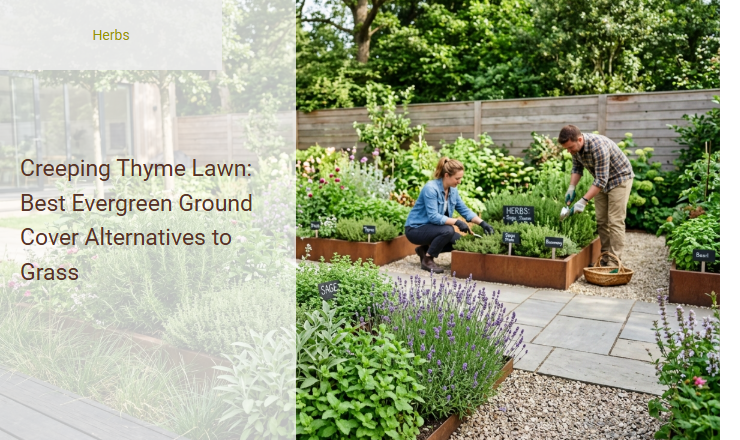
Maintaining a pristine turfgrass lawn often feels like an endless, exhausting cycle of mowing, watering, and chemical treatments. While a traditional green yard has long been the standard, the escalating demand for water conservation and low-maintenance landscaping has forced homeowners to rethink their outdoor spaces.
Transitioning to a creeping thyme lawn grants you a vibrant, drought-tolerant tapestry that drastically reduces upkeep. However, a successful transition stipulates that you assess your yard's specific sunlight and drainage conditions, as these low-growing herbs require well-drained soil and cannot withstand heavy, unrestricted foot traffic.
By opting for resilient varieties such as Thymus serpyllum (Red Creeping Thyme) or the dense, ultra-low-profile 'Elfin' thyme, you can establish a hardy, fragrant carpet that naturally suppresses weeds. In this guide, we will detail how to select the right evergreen cultivars, prepare your soil, and establish a thriving, eco-friendly alternative to turf.
Read also: Creeping Thyme vs Irish Moss for Pathway Borders
Introduction to the Eco-Friendly Lawn Revolution
For decades, the classic American dream has been defined by a manicured, emerald-green turf grass lawn. However, maintaining this aesthetic comes at a steep ecological price, requiring millions of gallons of water, heavy chemical fertilizers, and constant gas-powered mowing. This unsustainable cycle depletes local water tables and introduces toxins into the ecosystem. Fortunately, forward-thinking homeowners are discovering that they can replace this high-maintenance monoculture with evergreen ground covers. These resilient plants offer a sustainable, stunning, and biodiverse alternative that keeps your yard vibrant year-round without exhausting natural resources.
Why Creeping Thyme is the Ultimate Grass Alternative
Creeping thyme (Thymus serpyllum) is a low-growing, woody perennial herb that forms a dense, carpet-like mat over the soil. Unlike sterile turf grass, this hardy ground cover produces a breathtaking display of tiny blossoms in shades of pink, purple, and white. Homeowners love its fragrant foliage; walking across a thyme lawn releases a delightful, herbal aroma into the air. What makes it stand out is its ability to remain vibrant and green throughout the winter months while requiring only a fraction of the resources that turf grass demands. It is truly a low-profile, high-impact solution for modern, eco-conscious landscapes.
Key Benefits of a Creeping Thyme Lawn
Transitioning to a creeping thyme lawn brings numerous practical and environmental advantages that extend far beyond aesthetics. Here are some of the most compelling reasons to make the switch:
- Drought Resistance: Once established, creeping thyme requires minimal supplemental watering, easily surviving dry spells that would turn turf grass brown.
- Zero Mowing Needed: This ground cover naturally caps its height at two to four inches, saving you hours of exhausting weekend yard work.
- Pollinator Haven: The nectar-rich blossoms act as a vital food source for honeybees, butterflies, and other essential pollinators.
- Seasonal Color Shift: While it remains evergreen, the summer bloom creates a breathtaking sea of purple and lavender, followed by rich bronze tones in the winter.
- Weed Suppression: The dense growth habit creates a natural barrier that chokes out opportunistic weeds.
Comparing Creeping Thyme with Other Evergreen Ground Covers
While creeping thyme is a premier choice, comparing it with other popular evergreen ground covers can help you determine the best fit for your specific landscape needs.
| Ground Cover Option | Foot Traffic Tolerance | Water Requirements | Sunlight Preferences | Standout Feature |
|---|---|---|---|---|
| Creeping Thyme | Moderate to High | Low (Drought Tolerant) | Full Sun | Aromatic foliage and heavy blooms |
| Irish Moss | Light | Moderate to High | Partial Shade | Lush, velvety carpet look |
| Sedum (Stonecrop) | Very Light | Very Low | Full Sun | Fleshy leaves and extreme drought survival |
| Corsican Mint | Light | Moderate | Partial Shade | Intense, refreshing minty fragrance |
Step-by-Step Guide to Planting Your Thyme Lawn
Establishing a creeping thyme lawn requires proper preparation to ensure the young plants can spread quickly and crowd out weeds. Follow these chronological steps to guarantee success:
- Site and Soil Preparation: Clear all existing grass, weeds, and debris. Till the top few inches of soil and mix in organic compost or sand to improve drainage.
- Selecting Your Planting Method: Choose between purchasing creeping thyme plugs (recommended for faster coverage) or broadcasting high-quality seeds in early spring.
- Spacing and Planting Plugs: Dig small holes and space your plugs about 8 to 12 inches apart in a grid pattern. This allows them to knit together within one growing season.
- Initial Watering and Establishment: Keep the soil consistently moist (but not waterlogged) for the first four to six weeks while the root systems develop.
- Adding Mulch: Lightly mulch around the plugs with pea gravel or fine bark to retain moisture and discourage weed growth during the early stages.
Ideal Growing Conditions: Soil, Sunlight, and Climate
To achieve a dense, healthy lawn, you must understand the environmental preferences of creeping thyme. This plant thrives best in well-draining, sandy, or rocky soils. Heavy clay soils that retain excess moisture can cause root rot, making soil amendment necessary before planting.
Sunlight is another critical factor. Creeping thyme requires a minimum of six hours of full sun daily to bloom profusely and maintain its tight, compact growth habit. Shady conditions will cause the plant to become leggy and sparse. In terms of climate resilience, most varieties perform exceptionally well across USDA Hardiness Zones 4 through 9, easily surviving harsh winter freezes and hot, dry summers alike.
Low-Stress Maintenance and Care Routine
Once your creeping thyme lawn is fully established, you can safely retire your lawnmower. It requires very little intervention, needing water only during prolonged periods of drought. To keep the lawn looking tidy, you can run a mower on its highest setting over the patch once a year in late summer after the flowering season has ended. This light trimming helps remove spent blooms and encourages fresh, compact growth.
"The secret to a flawless creeping thyme lawn is restraint. Overwatering and overfertilizing are the two most common mistakes; this plant actually thrives on neglect and lean, nutrient-poor soil."
Foot Traffic and Durability: Can You Walk on Thyme?
One of the most common questions homeowners ask is whether an evergreen ground cover can withstand the daily activities of pets and children. Fortunately, creeping thyme is incredibly resilient and handles moderate foot traffic with ease. In fact, light stepping is encouraged, as crushing the leaves releases a wonderful, herbal fragrance into your garden.
Potential Challenges and How to Overcome Them
While creeping thyme is an outstanding lawn replacement, gardeners should be aware of a few initial challenges and know how to proactively manage them.
- Challenge: High Bee Attraction
- The abundant blossoms attract honeybees, which can be a concern for individuals with severe bee sting allergies. You can mitigate this by lightly mowing the lawn during peak bloom to remove the flowers.
- Challenge: Slow Initial Growth from Seed
- Starting a thyme lawn from seed takes patience and constant weed management. To bypass this, invest in starter plugs, which spread and establish control over the soil much faster.
- Challenge: Vulnerability to Winter Wetness
- In regions with heavy winter rains and poor soil drainage, thyme may suffer from root rot. Prevent this by planting in raised beds or thoroughly amending clay soils with coarse sand.
Making the Switch: Embracing a Tapestry Lawn
Replacing a traditional turf yard with creeping thyme is more than a simple landscaping choice; it is a step toward ecological responsibility. By reducing your water footprint, eliminating toxic chemical runoff, and inviting native pollinators back into your neighborhood, you play a vital role in restoring local biodiversity. Your new yard will reward you with a magnificent, low-maintenance living carpet that changes beautifully with the seasons.
Take the leap this planting season. Combine creeping thyme with other low-growing evergreens to create a stunning, biodiverse tapestry lawn. Embrace a beautiful, sustainable future and experience the freedom of a maintenance-free yard today!
Summary
This article highlights creeping thyme as one of the best evergreen ground cover alternatives to traditional turf grass. Offering an eco-friendly and visually stunning solution, a creeping thyme lawn significantly reduces the need for constant mowing, heavy watering, and chemical fertilizers. This resilient plant is highly drought-tolerant, thrives in poor soil, and releases a pleasant herbal fragrance when stepped on. During the summer, it erupts into a blanket of vibrant pink or purple blossoms that support local biodiversity by attracting essential pollinators like bees.
While highly beneficial, the article notes that creeping thyme is best suited for low-to-moderate foot traffic and requires patience during its initial establishment phase. Ultimately, transitioning to this aromatic, low-maintenance ground cover allows homeowners to create a sustainable, climate-resilient yard that dramatically cuts down on lawn care chores while enhancing curb appeal.
Leave a comment