
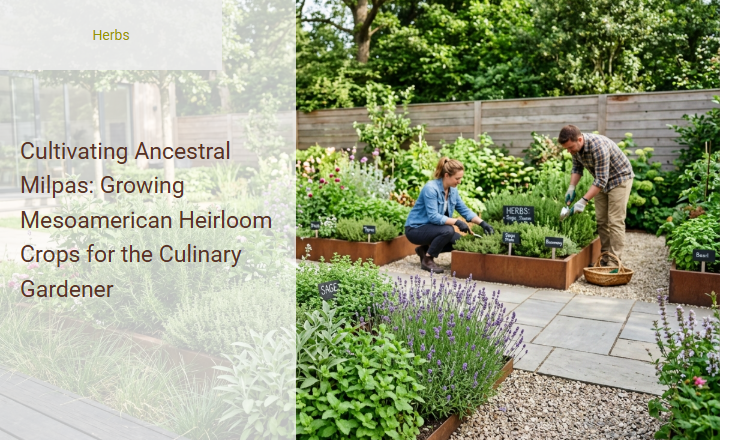
Many culinary gardeners struggle to cultivate heirloom crops that deliver both deep, historical flavor and ecological resilience, often finding themselves frustrated by the high-maintenance demands of modern monoculture plots. To overcome this, one must look to the ancient Mesoamerican milpa-a symbiotic polyculture system perfected over millennia.
By adopting this traditional method, you gain a self-sustaining ecosystem that naturally enriches soil biology while producing rare, nutrient-dense ingredients. However, success requires shifting away from neat, industrialized row gardening and embracing a dynamic, semi-wild backyard ecology. Cultivating ancestral staples like blue Bolita corn, climbing Ayocote runner beans, and heirloom calabaza squash demands a mindful approach to spatial planning and microclimates.
In this guide, we will analyze the agronomic science of the milpa, detail step-by-step companion planting layouts, and explore culinary applications for these prized Mesoamerican treasures.
Read also: Epazote vs Cilantro for Mexican Cooking Gardens
Introduction to the Milpa: Mesoamerica's Sacred Polyculture
For thousands of years, the agricultural heart of Mesoamerica beat to the rhythm of the milpa, a sophisticated and sacred crop-growing system that is far more than just a simple garden plot. Rooted in deep indigenous knowledge, the milpa represents a dynamic polyculture system designed to work in harmony with nature rather than against it. By mimicking natural ecosystems, Mesoamerican farmers created a self-sustaining food forest that enriched the soil, protected local biodiversity, and provided a nutritionally complete diet for flourishing civilizations.
For the modern culinary gardener, resurrecting this ancient system offers a profound pathway to ecological resilience and culinary richness. Instead of growing crops in isolated, resource-heavy monoculture rows, the contemporary gardener can embrace the milpa to maximize yield in limited spaces, conserve water, and eliminate the need for chemical fertilizers. Stepping into the world of the milpa is an invitation to cultivate a living ecosystem that feeds both the earth and the table.
The Synergy of the Three Sisters
At the biological heart of the milpa is the famous trio of companion plants known as the Three Sisters: maize, climbing beans, and winter squash. Rather than competing for nutrients and sunlight, these plants form a beautifully cooperative alliance where each member contributes to the collective health of the garden patch.
- Maize (The Support): Towering upward toward the sun, the strong stalks of heirloom corn serve as living trellises, giving the climbing beans a sturdy structure to scale without the need for artificial wooden stakes.
- Beans (The Nourisher): Climbing beans are nature's nitrogen factories. They harbor beneficial bacteria in their root systems that draw nitrogen gas from the atmosphere and convert it into a usable soil nutrient, feeding both themselves and the hungry maize.
- Squash (The Protector): Sprawling across the ground, the expansive, prickly leaves of winter squash act as a living mulch. They shade the soil to suppress weed growth and slow evaporation, keeping moisture locked in the ground while discouraging pests with their bristly vines.
Selecting Authentic Mesoamerican Heirloom Seeds
To cultivate an authentic and high-yielding culinary milpa, you must choose traditional heirloom seed varieties that preserve the genetic diversity and robust flavors of ancestral Mesoamerica. Select seeds that match your regional climate, ensuring your corn, beans, and squash mature in harmony.
When selecting seeds, prioritize varieties that have been bred over centuries to perform within polyculture conditions, rather than modern hybrids optimized for industrial, single-crop fields.
- Bolita Maize (Zea mays)
- A highly drought-tolerant heirloom corn from Oaxaca. It produces dense, starchy kernels perfect for grinding into masa, yielding tortillas with an incomparable, deeply rich corn flavor.
- Ayocote Beans (Phaseolus coccineus)
- These vigorous, climbing runner beans produce beautiful, edible scarlet blossoms that attract pollinators before yielding large, creamy, intensely flavorful beans that hold their shape beautifully in slow-cooked stews.
- Calabaza de Castilla (Cucurbita moschata)
- An ancient squash variety boasting sweet, thick, orange flesh and highly prized edible seeds. Its sprawling habit provides excellent ground cover, and the mature fruits store well through the winter.
Preparing the Soil: Honoring Ancestral Earth
To prepare your garden for a milpa, you must shift your focus from mechanical tilling to biological enrichment. Ancestral Mesoamerican practices avoid deep plowing, which disrupts the delicate network of mycorrhizal fungi in the soil. Instead, the focus is on creating raised planting mounds that facilitate superior drainage, concentrate precious organic matter, and prevent soil compaction.
"The earth does not belong to us; we belong to the earth. To plant a milpa is to enter into a sacred contract of reciprocity, returning organic life to the soil so that it may continue to sustain the generations to come."
To build your planting mounds, begin by layering generous amounts of compost, decomposed leaves, and well-aged manure over your garden beds. Shape these nutrients into low, wide mounds spaced roughly three to four feet apart. This mound system ensures that the roots of your Three Sisters have immediate access to loose, highly fertile, and well-aerated soil, mirroring the ancient agricultural systems of the Americas.
Temporal Harmony: Planting Timeline and Spacing
The success of the Three Sisters relies heavily on timing. If you plant all three seeds at the exact same moment, the fast-growing squash and climbing beans will quickly smother the young, fragile maize sprouts. Cultivating a successful milpa requires observing a precise chronological sequence.
- Sow the Maize First: Plant your heirloom corn seeds directly into the center of each prepared mound once all danger of spring frost has passed. Wait until the young maize stalks reach a height of approximately six inches before proceeding to the next step.
- Introduce the Climbing Beans: Plant the bean seeds directly around the base of the established maize stalks. The beans will emerge just as the corn begins its rapid vertical growth phase, allowing the bean tendrils to naturally wrap around the sturdy stalks.
- Plant the Winter Squash: Sow the squash seeds along the outer edges of the planting mounds. The squash will focus its initial energy on horizontal leaf expansion, sealing the ground level just as the corn and beans claim the vertical airspace.
Expanding the Milpa: Edible Weeds and Companion Herbs
A true milpa is far more than just the Three Sisters; it is a rich tapestry that includes secondary crops, wild greens, and aromatic herbs that fill every available ecological niche. These companion plants play vital roles, attracting beneficial insects, deterring destructive pests, and offering a diverse harvest of fresh greens throughout the growing season.
Among the most treasured of these companions is epazote, an aromatic herb with a pungent, resinous flavor that is indispensable when cooking pot beans. Alongside it, wild greens collectively known as quelites-including nutritious amaranto (amaranth) and wild purslane-are encouraged to grow freely between the mounds. Rather than being treated as troublesome weeds, these highly nutritious greens are regularly harvested as tender, fresh ingredients for tacos, stews, and salads, providing an abundance of vitamins and minerals long before the primary crops reach maturity.
Regenerative Maintenance and Water Stewardship
Maintaining a milpa requires minimal interference once the plant canopy is fully established. The dense foliage of the squash leaves serves as a living green mulch, drastically reducing the labor required for weeding and keeping soil temperatures cool during the height of summer. Any weeding that must be done should be completed by hand around the base of young plants to protect their shallow roots.
To control garden pests naturally, rely on the rich biodiversity of the milpa. The blooming beans and squash flowers attract predatory wasps and ladybugs, which keep aphid and caterpillar populations under control. Interplanting native marigolds can further repel damaging nematodes and mask the scent of your young crops from hungry insect pests.
The Culinary Harvest: Gathering the Milpa's Bounty
The beauty of the culinary milpa lies in its staggered and versatile harvest. Throughout the spring, summer, and autumn, the system yields a continuous stream of fresh, diverse, and nutrient-dense ingredients, transitioning gracefully from delicate fresh delicacies to hearty, dry winter staples.
By understanding the visual cues of maturity for each crop, you can enjoy multiple harvests from a single plot, utilizing different parts of the plants across various culinary preparations.
| Crop | Harvest Indicator | Culinary Application |
|---|---|---|
| Squash Blossoms | Bright orange, open male flowers in early morning | Stuffed with fresh cheese, battered and fried, or folded into quesadillas |
| Tender Maize (Elote) | Milky liquid inside plump kernels when pierced; brown, damp silks | Roasted over open flames, slathered with lime and chili, or used in fresh corn soups |
| Fresh Shelling Beans | Plump, filled pods that still retain their green color | Quickly simmered with epazote and garlic for creamy, tender side dishes |
| Dry Heirloom Grain | Brittle, completely dry husks and rock-hard kernels in late autumn | Ground into flour, processed for hominy, or transformed into masa for tortillas |
Nixtamalization: Unlocking the Culinary Magic of Heirloom Maize
To fully appreciate the culinary and nutritional brilliance of your heirloom maize harvest, you must employ the ancient Mesoamerican process of nixtamalization. This transformative step involves cooking and steeping dry corn kernels in an alkaline bath, traditionally made with water and food-grade mineral lime, known as cal (calcium hydroxide).
Chemically, this alkaline environment softens the tough outer hull of the kernel, releases bound niacin (Vitamin B3) to make it digestible to the human body, and balances the amino acids in the corn. Without this ingenious biochemical process, a diet reliant solely on corn leads to severe nutritional deficiencies; with it, corn becomes a nutritional powerhouse capable of sustaining empires.

After steeping overnight, the corn is thoroughly washed to remove the loosened hulls and excess lime, resulting in plump, fragrant grains called nixtamal. When ground using a stone hand-mill or a traditional metate, these grains yield a fragrant, elastic dough called masa. This dough is the foundation for authentic tortillas, tamales, and pupusas, offering an earthy aroma and deep flavor that commercial cornmeal can never replicate.
Seed Saving: Preserving Genetic Diversity for Future Harvests
The final act of cultivating a milpa is securing its future. Seed saving is not merely a practical gardening task; it is an act of cultural preservation and genetic stewardship. By choosing to save seeds from your strongest, most drought-resistant, and most flavorful plants, you slowly adapt these ancestral varieties to your specific backyard microclimate, creating a localized strain that will perform even better in subsequent years.
Allow your healthiest corn ears, bean pods, and winter squashes to mature completely on the vine or stalk until they are thoroughly dry. Harvest the seeds on a dry afternoon, then spread them in a single layer in a well-ventilated space out of direct sunlight to complete the curing process. Once the seeds are bone-dry, store them in airtight glass jars kept in a dark, cool environment, ideally maintaining a temperature between 40°F and 50°F (4°C to 10°C). This simple practice keeps the ancient spirit of the milpa alive, ensuring another bountiful, regenerative harvest for the seasons to come.
Summary
In "Cultivating Ancestral Milpas: Growing Mesoamerican Heirloom Crops for the Culinary Gardener," readers are introduced to the ancient and sustainable polyculture system known as the milpa. Traditionally practiced throughout Mesoamerica, the milpa centers on the synergistic relationship of the "Three Sisters"-maize, climbing beans, and winter squash. Maize provides structural support, beans fix nitrogen in the soil, and squash leaves act as a living mulch to retain moisture and suppress weeds.
For the modern culinary gardener, resurrecting this ancestral companion planting method offers a pathway to cultivating rare, flavorful heirloom varieties while fostering ecological biodiversity. By embracing these time-honored techniques, gardeners can produce a nutritionally complete harvest, revitalize soil health, and connect deeply with rich culinary heritage. Ultimately, the article serves as a practical guide for planning, planting, and harvesting a productive milpa in contemporary backyard spaces.
Leave a comment