
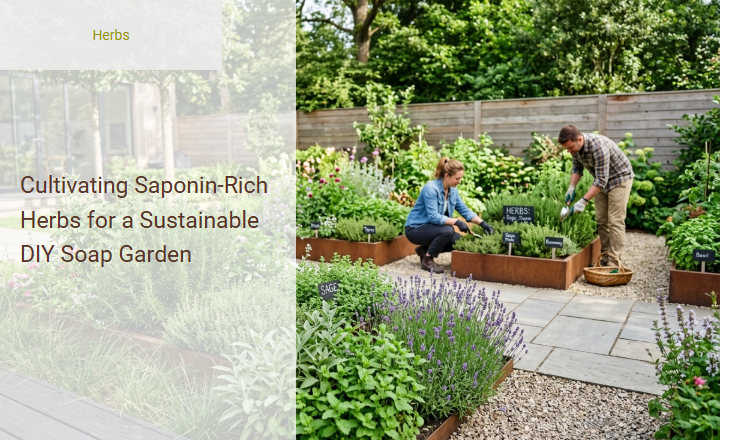
For many eco-conscious crafters, finding truly chemical-free cleansing products remains a frustrating challenge, as even commercial "natural" soaps often contain synthetic surfactants, artificial fragrances, and environmentally damaging palm oil. To bypass this industrial supply chain, self-reliant individuals are shifting their focus to agricultural solutions, establishing dedicated domestic soap gardens.
This sustainable practice grants you complete sovereignty over your household hygiene, yielding a continuous, zero-waste supply of biodegradable cleansers. However, cultivating these specialized crops requires a clear understanding of botanical requirements, soil chemistry, and proper harvesting methods. Saponin-rich species like Saponaria officinalis (Soapwort) and Yucca filamentosa (Adam's Needle) serve as living proof that nature provides potent, natural lathering agents directly from the root and foliage.
In this guide, we will examine the top saponin-producing herbs for home cultivation, detail their specific growing conditions, and outline the step-by-step extraction methods needed to transform your harvest into gentle, effective DIY soaps.
Read also: Soapwort vs Yucca for Natural Soap Making
Introduction to the World of Saponin-Rich Soap Gardens
Saponins are naturally occurring chemical compounds found abundantly throughout the plant kingdom. These complex glycosides possess a unique molecular structure consisting of a fat-soluble nucleus and water-soluble sugar chains. This amphiphilic nature allows them to emulsify oils and trap dirt, producing a rich, cleansing lather when agitated in water. Cultivating a dedicated soap garden allows you to tap into this natural chemistry, reviving ancient traditions while creating a completely renewable source of household cleaners.
Historically, indigenous cultures across the globe relied on saponin-rich vegetation for hygiene and textile preservation. From the medieval use of soapwort in European laundries to the utilization of yucca roots in the deserts of North America, botanical cleansers have a long record of safe, effective performance. By choosing to grow these plants at home, you directly reduce your household's reliance on single-use plastic bottles, transport-related carbon emissions, and industrially produced surfactants. A DIY soap garden acts as a living utility, turning your landscape into a zero-waste chemical factory that works in perfect harmony with nature.
Ecological and Skin Benefits of Botanical Saponins
Modern synthetic surfactants, while highly effective at stripping grease, carry significant environmental and dermatological consequences. Compounds such as sodium lauryl sulfate (SLS) and synthetic petrochemical detergents persist in local water systems, disrupting aquatic ecosystems and stripping the human skin barrier of its essential oils. Botanical saponins offer a gentle, biologically compatible alternative that cleanses without destruction.
"Natural saponins biodegrade rapidly in soil and water systems, returning to earth as harmless organic matter within days of disposal."
For individuals dealing with eczema, psoriasis, or general dermatological sensitivity, home-grown saponins provide relief. Because plant-derived soap lacks synthetic fragrances, parabens, and artificial foaming agents, it preserves the skin's delicate microbiome. Furthermore, the graywater generated from washing with these plants is completely safe to divert directly back into your landscape, creating a closed-loop system where wash water nourishes the very soil that sustains your clean resources.
Top Saponin-Rich Herbs for Your Garden
Selecting the right varieties is key to ensuring a steady, high-yielding harvest of natural cleansers. The following botanical species are highly recommended for home cultivation, each offering a unique profile of saponin concentrations and growth habits.
Soapwort (Saponaria officinalis)
Commonly known as Bouncing Bet, this hardy European perennial is the cornerstone of any soap garden. It produces delicate pink or white flowers and spreads via underground rhizomes. The highest concentration of saponins is found within the roots, though the leaves and stems can also be harvested for gentle washes.
English Ivy (Hedera helix)
A highly resilient evergreen climber, English Ivy contains rich saponin deposits within its dark green leaves. Unlike other soap plants, it does not require harvesting the root system, allowing for a continuous, year-round supply of leaves without harming the main plant.
Horse Chestnut (Aesculus hippocastanum)
This majestic deciduous tree produces large, seed-bearing husks in the autumn. The interior nuts, often referred to as conkers, contain very high levels of saponins. Harvesting the fallen seeds provides an abundant, seasonal supply of heavy-duty cleaning agents ideal for laundry.
Yucca (Yucca filamentosa)
A drought-tolerant succulent native to arid regions, Yucca stores dense saponin compounds within its roots and sword-like leaves. The roots are incredibly potent and can be dried, sliced, and stored indefinitely for heavy-duty lathering applications.
- Soapwort: Roots contain up to 20% saponins by weight during autumn dormancy.
- English Ivy: Leaves provide a mild, non-ionic surfactant yield throughout the year.
- Horse Chestnut: Seeds offer dense saponins excellent for mechanical laundry cycles.
- Yucca: Deep taproots deliver superior lathering and natural conditioning properties.
Designing Your Soap Garden Layout and Soil Prep
To maximize the concentration of active saponins in your plants, thoughtful planning of the garden layout and careful soil preparation are required. Most soap-producing plants thrive when their native habitats are closely replicated. While Soapwort and English Ivy prefer moist, woodland-edge environments, Yucca demands dry, sandy conditions. Grouping these plants by their hydrological requirements is essential for a successful harvest.
Soil texture and nutrient levels play a critical role in phytochemistry. While luxurious nitrogen fertilizers can promote rapid vegetative growth, they often dilute the concentration of defensive secondary metabolites like saponins. Instead, aim for a balanced, lean soil structure that encourages the plant to synthesize these natural cleansing agents as a defense mechanism.
Propagation and Planting Guidelines
Establishing your soap garden requires utilizing a mix of propagation techniques to suit the specific biological needs of each species. Follow these steps to initiate your planting schedule successfully.
- For Soapwort, sow seeds indoors in early spring using a lightweight seed-starting mix. Cold-stratify the seeds for two weeks prior to planting to enhance germination rates. Transplant outdoors after the danger of frost has passed, spacing plants twelve inches apart.
- For English Ivy, propagate via softwood cuttings taken during late spring. Place the cuttings in moist potting soil or clean water until robust root systems develop, then plant them near trellises, fences, or stone walls to encourage upward growth.
- For Yucca, propagate using root divisions. Unearth a portion of an established plant's root system in autumn, cut three-inch sections of the rhizome, and bury them horizontally two inches deep in well-draining, sandy soil beds.
Monitor your young plants closely during their first growing season. Once established, these resilient perennials require minimal intervention to maintain their vigor and productivity.
Sustainable Maintenance and Water Management
Maintaining a soap garden naturally demands chemical-free cultivation practices. Introducing synthetic pesticides or chemical fertilizers defeats the core ecological purpose of growing clean, botanical soap. Implement organic pest management strategies, such as biological controls, hand-picking pests, and spraying diluted garlic oil, to maintain a balanced, chemical-free ecosystem.
Water management is equally crucial. Overwatering is a common mistake that leads to root rot in Yucca and can dilute the concentration of active saponin molecules in Soapwort roots. Utilizing deep, infrequent drip irrigation mimics natural weather patterns, prompting the plants to grow deep, resilient root structures. Drip lines deliver water directly to the root zone, reducing surface evaporation and keeping the foliage of ivy and soapwort dry, which prevents fungal diseases.
Harvesting for Maximum Saponin Potency
Timing your harvest is vital, as saponin concentrations rise and fall throughout the life cycle of the plant. Harvesting at the peak moment ensures that you extract the highest possible cleaning power from every plant part.
Roots, such as those from Soapwort and Yucca, should be harvested during late autumn when the plants enter winter dormancy. During this phase, the plant concentrates its energy and secondary metabolites downward into the root systems. Leaves, particularly from English Ivy, are best harvested in mid-summer when solar radiation is high, driving intense metabolic activity in the foliage.

Methods for Extracting Liquid Saponins
Before botanical soap can be used for household chores, the raw saponins must be extracted from the plant tissue. This can be achieved through three primary methods: decoction, infusion, and powdering.
Decoction (Best for Roots and Seeds)
This method uses prolonged boiling to break down tough plant cell walls and release embedded saponins.
- Chop fresh or dried roots (or crushed horse chestnuts) into small, uniform pieces.
- Place the material into a stainless steel pot and cover with distilled water at a ratio of one cup of plant material to four cups of water.
- Bring to a boil, then reduce heat and simmer for thirty to forty-five minutes. The water will begin to darken and foam.
- Strain the liquid through a fine mesh sieve or cheesecloth, squeezing out all moisture, and store the resulting concentrate in a cool, dark place.
Infusion (Best for Leaves and Soft Stems)
This gentler method uses hot water to extract saponins from delicate leaves without destroying beneficial plant enzymes.
- Chop fresh ivy or soapwort leaves to bruise the plant membranes and expose the saponins.
- Place the chopped foliage into a clean glass jar, filling it halfway.
- Pour boiling distilled water over the leaves, filling the jar completely. Seal the jar tightly.
- Allow the mixture to steep for twelve to twenty-four hours, shaking vigorously periodically, then strain before use.
Formulating All-Natural DIY Household Cleansers
The extracted liquid saponins can be customized to perform a variety of household tasks. Since these natural cleansers do not contain synthetic preservatives, they should be prepared in small batches and used within one to two weeks, or stored in the refrigerator to extend their shelf life.
| Recipe Type | Saponin Source | Additional Ingredients | Primary Application |
|---|---|---|---|
| Multi-Purpose Cleaner | Ivy Leaf Infusion | White vinegar, tea tree essential oil | Countertops, glass, and bathroom surfaces |
| Gentle Shampoo | Soapwort Root Decoction | Vegetable glycerin, rosemary extract | Hair washing and sensitive skin body wash |
| Laundry Detergent | Horse Chestnut Decoction | Washing soda, baking soda | Machine washing delicates and everyday clothing |
Seed Saving and Perennial Garden Longevity
Ensuring the long-term sustainability of your soap garden requires a careful approach to propagation and seasonal maintenance. As your plants mature, they will naturalize in your garden beds, offering excellent opportunities to expand your domestic soap production. Collecting and drying seeds in late summer guarantees a secure backup supply, enabling you to share plants with your community or scale up your harvest area in subsequent seasons.
For perennial varieties like Soapwort and Yucca, root division is the most effective way to maintain plant health over time. Every three to four years, lift mature root clumps during the autumn dormancy period, divide them with a sharp spade, and replant them into freshly prepared soil. This division process rejuvenates older plants, prevents overcrowding, and guarantees a continuous, regenerative supply of natural cleansers for years to come.
Summary
"Cultivating Saponin-Rich Herbs for a Sustainable DIY Soap Garden" explores the rewarding practice of growing your own natural cleansing agents. Saponins are organic plant compounds that produce a rich lather when agitated in water, offering an eco-friendly, biodegradable alternative to synthetic surfactants.
The article highlights key plants ideal for a home soap garden, including soapwort (Saponaria officinalis), English ivy, and horse chestnut. By cultivating these resilient species, gardeners can easily harvest leaves, roots, or berries to craft gentle liquid soaps, shampoos, and household cleaners. This sustainable gardening practice significantly reduces reliance on single-use plastic packaging and harsh commercial chemicals. Ultimately, establishing a DIY soap garden fosters self-reliance, enhances garden biodiversity, and supports a zero-waste lifestyle by bringing nature directly into your daily cleaning routine.
Leave a comment