
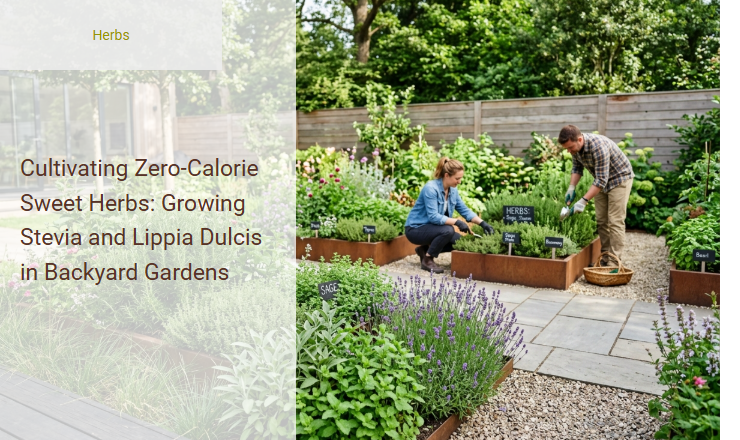
Many health-conscious gardeners struggle to eliminate refined sugar from their diets without resorting to highly processed, chemical artificial sweeteners. While backyard plots traditionally prioritize savory vegetables, expanding into functional horticulture bridges the crucial gap between home gardening and dietary wellness. Cultivating your own natural sweeteners grants you complete self-sufficiency and absolute control over your sugar-free lifestyle, straight from your backyard soil.
However, successful cultivation carries a vital stipulation: these unique botanical species are not passive weeds and require precise moisture management and frost protection to thrive. By focusing on proven specimens like Stevia rebaudiana and Lippia dulcis (Aztec sweet herb), growers can establish a reliable, living sweetness treasury. In this guide, we will detail the essential soil requirements, propagation strategies, and harvesting techniques necessary to successfully integrate these zero-calorie herbs into your home garden.
Read also: Stevia vs Sweet Cicely for Natural Sweeteners
Introduction to Natural, Zero-Calorie Sweeteners
For centuries, humanity has searched for ways to satisfy its sweet tooth without the health drawbacks associated with refined white sugar. While synthetic, laboratory-created sugar substitutes have dominated supermarket shelves for decades, a healthier and more rewarding solution lies right in your backyard. Cultivating your own sweet herbs allows you to take control of your diet, reduce processed food consumption, and enjoy a sustainable source of zero-calorie sweetness directly from the earth.
Two of the most promising candidates for the home gardener are Stevia rebaudiana and Lippia dulcis (commonly known as Aztec sweet herb). Growing these plants at home offers a multitude of benefits. By incorporating these botanical treasures into your garden, you gain access to a 100% natural, calorie-free alternative to sugar that does not cause blood glucose spikes, making it an ideal choice for diabetics and health-conscious individuals alike. Furthermore, these plants are easy to grow, aesthetically pleasing, and represent a major step toward backyard self-sufficiency and clean eating.
Meet the Plants: Stevia and Lippia Dulcis Profiles
Stevia rebaudiana
Stevia rebaudiana is a tender perennial shrub belonging to the Asteraceae (daisy) family. Renowned globally for its intense, clean sweetness, this upright herb features serrated, bright green leaves and small, white flowers. It thrives in warm climates and serves as the primary source for commercial stevia extracts.
- Native Region: High plateaus of Paraguay and Brazil, where it has been used by the indigenous Guaraní people for over 1,500 years.
- Active Chemical Compounds: Steviol glycosides, primarily stevioside and rebaudioside A.
- Sweetness Profile: Up to 300 times sweeter than sucrose (table sugar), with a lingering, slightly licorice-like finish.
Lippia dulcis (Aztec Sweet Herb)
Lippia dulcis, also classified as Phyla scaberrima, is a low-growing, creeping perennial belonging to the Verbenaceae (verbena) family. It features dark green, purple-tinged, deeply veined leaves and tiny, white, cone-like flower heads. It acts as an excellent groundcover but must be managed carefully due to its vigorous growth habit.
- Native Region: Southern Mexico, Central America, and parts of tropical South America, historically treasured by the Aztecs.
- Active Chemical Compounds: Hernandulcin, an intensely sweet sesquiterpene compound.
- Sweetness Profile: Approximately 1,000 times sweeter than sugar, accompanied by a strong, cool undertone of camphor and mint.
Location, Sunlight, and Soil Requirements
Both Stevia and Aztec sweet herb are native to warm, subtropical climates, meaning they require plenty of warmth and bright light to maximize their growth and sweet compound production. For optimal results, plant them in a location that receives at least six to eight hours of direct sunlight daily. These plants prefer loose, well-draining, sandy loam soil with a slightly acidic to neutral pH range of 6.0 to 7.2. Poorly drained, heavy clay soils will lead to root rot and weak plant development.
Propagation and Planting Guide for Stevia
Stevia can be challenging to grow from seed due to low germination rates, making vegetative propagation from cuttings or purchasing starter plants the most reliable pathway to success. If you choose to start from cuttings, early spring is the ideal time to take them, as the parent plant is entering its phase of active, vigorous growth.
- Using sharp, sterilized pruning shears, cut a 3- to 4-inch softwood tip from a healthy, non-flowering Stevia branch.
- Remove the leaves from the bottom two inches of the cutting, leaving at least two sets of leaves at the top.
- Dip the exposed stem end into an organic rooting hormone powder to accelerate root establishment.
- Insert the cutting into a moist, sterile seed-starting potting mix, ensuring the stripped nodes are fully buried.
- Cover the container with a plastic humidity dome and place it in a warm area with bright, indirect light, keeping the soil consistently damp but not waterlogged. Roots should form within two to three weeks, after which you can gradually acclimate the plant to outdoor conditions and transplant it.
Cultivating Aztec Sweet Herb (Lippia Dulcis)
Aztec sweet herb features a trailing, creeping habit that allows it to spread rapidly across garden beds, rooting wherever its stems touch moist soil. While this makes it incredibly easy to propagate via division or layering, its enthusiastic growth can quickly overwhelm neighboring plants. If planting in the ground, provide plenty of space or install root barriers to control its spread.
"Lippia dulcis is a beautiful, cascading herb, but it behaves very much like mint in the garden. To prevent it from taking over your landscape, restrict its root system by growing it in hanging baskets or containers where its weeping stems can spill over the edges safely." - Olivia Sterling, Permaculture Consultant
Watering and Fertilization Strategies for Maximum Sweetness
Proper water management is critical for both herbs. Stevia has a shallow root system and prefers consistent moisture, but it cannot tolerate soggy soil or "wet feet." Water your plants deeply when the top inch of soil feels dry to the touch. Lippia dulcis is slightly more drought-tolerant once established but performs best with regular watering that mimics its native tropical environment.
When it comes to feeding these plants, a light touch is essential. Over-fertilizing with high-nitrogen chemical fertilizers will trigger rapid vegetative growth at the expense of sweet compounds, leaving you with lush, green leaves that lack flavor. Instead, amend the soil with organic compost at the beginning of the growing season, and apply a mild, diluted seaweed extract once every six weeks to support healthy development without diluting sweetness.
Pruning and Pinching Techniques for Bushier Yields
To maximize your harvest, you must prevent these plants from becoming leggy and sparse. Regular pinching forces the plants to redirect their energy away from vertical growth and toward lateral branching, resulting in a denser, bushier canopy with a significantly higher volume of harvestable leaves.
Begin pinching your Stevia and Lippia dulcis plants when they reach about six to eight inches in height. Locate the main growing tip and pinch off the top set of leaves just above a leaf node. This will stimulate two new branches to grow from that point, effectively doubling your future leaf yield.
      [New Leaf]   [New Leaf]
          \           /
           \         /
      ======[Leaf Node]====== <--- Pinch stem directly above this node
                 |
                 |
            [Main Stem]
Managing Pests and Diseases Organically
Common Pests
While these herbs are relatively resilient, they can occasionally attract common sap-sucking garden pests. Keep an eye out for infestations of aphids (Aphis gossypii), whiteflies (Trialeurodes vaporariorum), and spider mites (Tetranychus urticae). These pests can be managed effectively by spraying the foliage with a sharp blast of water, or by applying organic neem oil or insecticidal soap during the cooler hours of the evening.
Fungal and Bacterial Diseases
In high humidity or poorly drained soils, fungal pathogens such as septoria leaf spot (Septoria steviae) and root rot (Pythium species) can emerge. Prevent these issues by ensuring proper plant spacing to facilitate air circulation, watering directly at the soil level rather than overhead, and applying organic copper fungicides if leaf spot symptoms appear.
Harvesting and Curing the Sweet Leaves
The concentration of sweet compounds in both Stevia and Aztec sweet herb fluctuates throughout the growing season. To get the sweetest harvest possible, you must time your picking perfectly and dry the leaves using methods that preserve their chemical compounds.
For both plants, autumn is generally the peak harvest window. As temperatures begin to cool, the plants concentrate their sugars. Always harvest your leaves in the morning, after the dew has evaporated but before the intense afternoon sun warm-cures the leaves on the vine.
| Plant Species | Peak Harvest Indicator | Recommended Drying Method |
|---|---|---|
| Stevia rebaudiana | Late summer to early autumn, right as the very first flower buds begin to form. | Hang small leaf bundles upside down in a warm, dark, well-ventilated room, or use a food dehydrator set to 100°F (38°C). |
| Lippia dulcis | Late summer through mid-autumn, before overnight temperatures drop below 50°F (10°C). | Strip the leaves from the trailing stems and dry them in a single layer on mesh screens in a shaded, warm area. |
Kitchen Prep: Processing and Using Your Harvest
Once your harvested leaves are bone-dry and crisp to the touch, they are ready to be transformed into versatile, kitchen-ready sweeteners. Depending on your culinary needs, you can process them into different formats to suit beverages, baking, or general cooking.
- Green Stevia Powder
- Made by grinding completely dry Stevia leaves in a clean coffee grinder or spice mill until they reach a fine, flour-like consistency. This green powder is highly concentrated and can be used directly in baking, oatmeal, or herbal teas.
- Herbal Infusion
- A simple, liquid sweetener created by steeping fresh or dry leaves in hot water for several minutes. This infusion can be used immediately to sweeten iced teas, lemonades, or morning coffee, and should be stored in the refrigerator for up to one week.
- Liquid Extract
- A highly concentrated, shelf-stable liquid made by dissolving the sweet glycosides in a mixture of food-grade alcohol (like vodka) and water. After letting the mixture sit for 24 to 48 hours, strain out the plant matter and gently simmer the liquid to evaporate the alcohol, leaving behind a potent, drop-by-drop sweetener.
Summary
"Cultivating Zero-Calorie Sweet Herbs: Growing Stevia and Lippia Dulcis in Backyard Gardens" provides an essential guide for gardeners looking to cultivate natural, calorie-free sweeteners at home. The article focuses on two popular sweet herbs: Stevia (Stevia rebaudiana), famous for its intense, sugar-like sweetness, and Lippia dulcis (commonly known as Aztec sweet herb), which offers a unique, minty-sweet flavor profile.
The guide outlines the specific growing requirements for both plants, emphasizing the importance of well-draining soil, ample sunlight, and moderate watering. While Stevia thrives as a tender perennial in warm climates, Lippia dulcis serves as an attractive, trailing groundcover ideal for hanging baskets. Gardeners will learn practical tips for propagation, harvesting leaves at peak sweetness, and processing them into homemade liquid extracts or dried powders, offering a healthy and sustainable alternative to processed sugars.
Leave a comment