
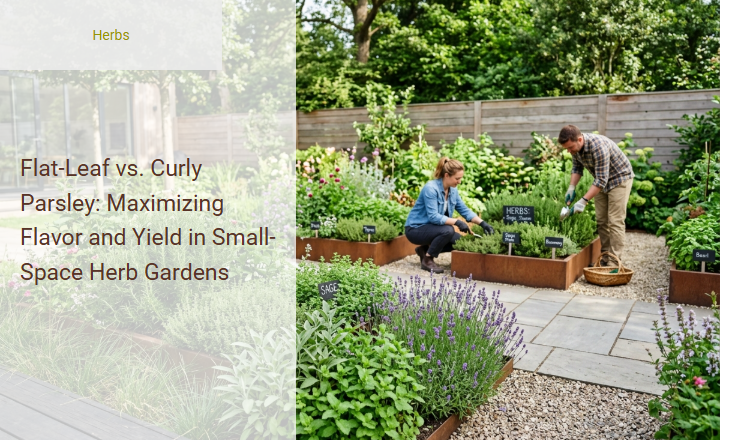
For urban growers and small-space gardeners, maximizing yield in limited square footage is a constant battle, often leading to sparse harvests that barely season a single meal. Before addressing soil quality or watering schedules, one must first navigate the foundational choice between flat-leaf and curly parsley. Selecting the optimal variety grants you the ability to double your culinary output and elevate your dishes using just a single windowsill planter.
However, success requires acknowledging a key horticultural stipulation: while both cultivars adapt well to container life, they demand distinct harvesting techniques to sustain continuous growth. For instance, robust varieties like Italian Large Leaf offer aggressive growth for heavy culinary use, whereas compact cultivars like Forest Green provide dense, decorative yields in tight spaces. Below, we will analyze their unique flavor profiles, compare their spatial footprints, and provide actionable pruning strategies to optimize your small-scale harvest.
Read also: Flat-Leaf Parsley vs Curly Parsley for Garnish Yield
Introduction to Parsley in Small-Space Gardening
Growing your own herbs is one of the most rewarding ways to elevate your home cooking, and parsley stands out as an absolute essential. Whether you have a sprawling backyard or just a sunny windowsill, both flat-leaf and curly parsley are incredibly adaptable to small-space gardening. These robust herbs are highly valued by home cooks for their ability to bring brightness and depth to countless dishes.
For those managing limited space, cultivating parsley in containers or small balcony planters is not only possible but highly efficient. With just a small pot and a little attention, you can secure a constant supply of fresh, nutrient-rich garnishes and flavor bases right at your fingertips.
Culinary Differences: Flat-Leaf vs. Curly Flavor Profiles
Understanding the differences between Italian flat-leaf and curly-leaf parsley is key to utilizing them effectively in the kitchen. Flat-leaf parsley possesses a robust, herbaceous flavor with a distinct hint of pepper. Its smooth, tender leaves blend seamlessly into cooked dishes, making it the preferred choice for sauces, stews, marinades, and stocks where flavor extraction is paramount.
In contrast, curly-leaf parsley offers a much milder, grassier taste. Its highly textured, ruffled leaves provide an appealing architectural element, making it ideal as a fresh decorative garnish. While often relegated to plate decoration, its crunchy texture adds a delightful contrast when chopped finely and tossed into fresh grain salads or sprinkled over hot soups right before serving.
Growth Habits and Space Efficiency
To maximize your limited gardening footprint, it is helpful to analyze how each parsley variety grows. Both varieties are biennial plants, meaning they complete their life cycle over two years, but they are typically grown as annuals for their leaves. Their physical growth habits dictate how they should be positioned in a compact garden layout.
Italian Flat-Leaf Growth Patterns
Italian flat-leaf parsley tends to grow taller and more open, with stems stretching outward and upward. Because of this spreading habit, it requires slightly more vertical and horizontal breathing room. It works well in deeper pots where its deep taproot can anchor the taller stems.
Curly-Leaf Space Utilization
Curly-leaf parsley grows in a tight, compact mound. This dense, dome-like growth structure makes it exceptionally space-efficient. It fits perfectly into shallow window boxes, small individual pots, or along the edges of larger mixed containers where its low-profile shape will not crowd neighboring plants.
Maximizing Yield: Harvesting Techniques for Small Gardens
To keep your small-space parsley productive throughout the growing season, practicing the correct harvesting method is essential. Using the "cut-and-come-again" technique ensures the plant continues to produce fresh foliage instead of expending energy on old growth.
- Identify the oldest, outermost stems of the parsley plant, leaving the young, tender growth in the center untouched.
- Use sharp garden shears or scissors to snip the outer stems near the base of the plant, about an inch above the soil line.
- Avoid cutting more than one-third of the total foliage at any single time to prevent shocking the plant.
- Harvest regularly to stimulate new leaf development from the center crown, maintaining a continuous cycle of fresh yields.
Selecting the Best Containers and Soil Mixes
Growing parsley in containers requires careful consideration of the root system and drainage needs. Because parsley develops a relatively deep taproot, selecting the right pot size and soil medium directly impacts the health and abundance of your harvest.
- Container Depth: Choose a pot that is at least 8 to 10 inches deep to allow the taproot room to stretch downward without getting stunted.
- Drainage Holes: Ensure your selected container has adequate drainage holes at the bottom, as parsley roots will quickly rot in standing water.
- Soil Blend: Use a high-quality, well-draining potting mix rich in organic matter, such as compost or coco coir, to retain moisture without becoming soggy.
- Aeration Additives: Mix in perlite or coarse sand to improve aeration, ensuring oxygen can easily reach the root system in confined spaces.
Light and Water: Managing the Microclimate
Maintaining the right balance of light and moisture is crucial for balcony and windowsill gardens. Parsley thrives in four to six hours of direct sunlight daily, though it can tolerate light afternoon shade, especially in hotter climates.
Watering requires a consistent, moderate approach. You should water the soil thoroughly when the top inch feels dry to the touch, ensuring the moisture penetrates deep into the pot. To prevent root rot, always empty the drainage saucers under your pots so the plants do not sit in stagnant water.
Fertilizer and Nutrient Strategies for High Yields
To keep your parsley plants producing dense, vibrant green leaves throughout the season, you must feed them correctly. Since we harvest parsley for its foliage, your nutrient strategy should focus entirely on leaf growth rather than root or flower development.
Selecting the Right N-P-K Ratio
Look for organic fertilizers with a higher first number in the N-P-K ratio, representing nitrogen. Nitrogen is the primary driver of vegetative and leaf growth. A balanced liquid organic fertilizer, such as fish emulsion or liquid kelp applied at half strength every two to three weeks, provides the perfect nutrient boost for container-bound plants.
Companion Planting in Tight Spaces
- Chives: Growing chives near your parsley helps deter common garden pests like aphids with their mild onion scent while taking up minimal space.
- Marigolds: These compact, colorful flowers release natural compounds that repel harmful nematodes and insects, making them excellent protective neighbors in balcony planters.
- Basil: Sharing similar water and light requirements, basil pairs well with parsley, allowing you to maximize container space without competing for essential soil nutrients.
- Mint: When kept in separate pots nearby, mint can help distract pests, though it should never share the same soil due to its aggressive, invasive root system.
Preventing Pests and Diseases in Confined Areas
In high-density small gardens, limited airflow can create a breeding ground for pests and fungal issues. Aphids, spider mites, and leafminers are the most common pests that target parsley, sucking essential juices from the tender stems and leaving unsightly tracks on the leaves.
Fungal diseases like powdery mildew and crown rot can also emerge when plants are crowded too closely together. To organically prevent these issues, ensure there is adequate spacing between pots and apply organic neem oil or insecticidal soap at the first sign of pests, always watering the soil directly rather than wetting the foliage.
The Verdict: Choosing the Right Parsley for Your Garden
Selecting the ideal parsley variety comes down to your space constraints and culinary preferences. If your primary goal is robust flavor for cooking hearty dishes, Italian flat-leaf is the superior choice, provided you have a slightly larger pot to accommodate its spreading growth habit.
On the other hand, if you are dealing with very tight window sills or want an attractive, compact garnish plant, curly-leaf parsley is the winner. For the ultimate culinary versatility, growing a combination of both varieties in separate containers ensures you have the perfect leaf for every recipe.
Summary
Deciding between flat-leaf (Italian) and curly parsley is essential for urban gardeners looking to maximize flavor and yield in limited spaces. This guide compares both popular varieties, highlighting their distinct culinary and aesthetic strengths. Flat-leaf parsley offers a robust, peppery flavor and high heat tolerance, making it the preferred choice for cooking and hot dishes. In contrast, curly parsley provides a milder taste, beautiful texture, and compact growth, making it an excellent choice for decorative garnishes and tight container arrangements. By understanding their specific growth habits, soil requirements, and harvesting techniques, small-space gardeners can optimize their herb yields. Whether you cultivate them on a sunny windowsill, balcony, or small patio, choosing the right parsley variety-or growing both side-by-side-ensures a continuous, flavorful harvest that elevates home-cooked meals.
Leave a comment