
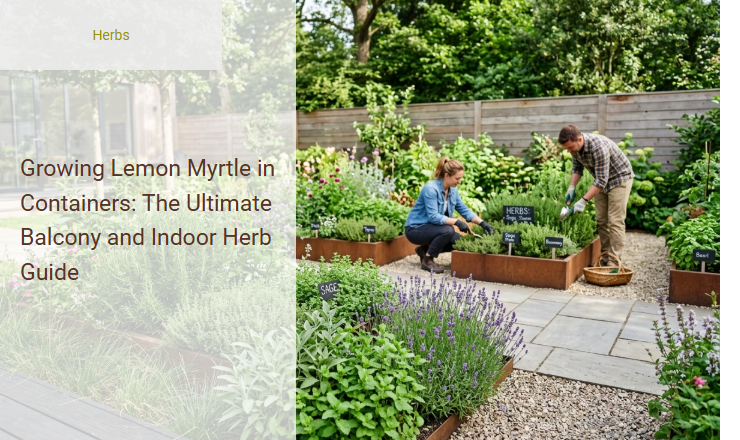
Many urban gardeners struggle with limited outdoor space, often believing that cultivating vibrant, native botanicals requires a sprawling backyard. However, the modern shift toward container gardening has bridged this gap, proving that botanical diversity can thrive in compact environments. Cultivating Backhousia citriodora (Lemon Myrtle) in pots grants apartment dwellers and indoor enthusiasts direct access to one of the world's most potent natural sources of citral.
While highly rewarding, successful indoor and balcony cultivation stipulates a precise understanding of potting media drainage, airflow, and localized light requirements. When managed correctly, these potted shrubs yield highly aromatic leaves perfect for infusing therapeutic teas or seasoning gourmet culinary dishes. This guide outlines the essential steps for container success, including optimal soil selection, watering schedules, and pruning techniques to keep your plant thriving.
Read also: Lemon Myrtle vs Lemon Verbena for Potted Patios
Introduction: The Appeal of Potted Lemon Myrtle
Lemon Myrtle (Backhousia citriodora) stands out as the ultimate aromatic herb for balconies and compact indoor spaces. Native to the subtropical rainforests of Australia, this remarkable plant boasts an intensely concentrated citrus scent that far surpasses traditional lemons, thanks to its high citral content. Growing it in containers allows urban gardeners to enjoy its lush, evergreen foliage and refreshing aroma right at their fingertips.
Whether positioned on a sunny kitchen windowsill or a cozy apartment balcony, container-grown Lemon Myrtle adapts wonderfully to pot culture. Its compact growth habit and resilience make it an excellent choice for both beginner and experienced plant enthusiasts seeking a sensory addition to their indoor garden.
Choosing the Best Container for Your Lemon Myrtle
Selecting the right container is vital for the long-term health of your Lemon Myrtle. While plastic pots are lightweight and retain moisture longer, terracotta containers are highly recommended. Terracotta is porous, allowing the roots to breathe and helping excess moisture evaporate, which prevents the soil from remaining waterlogged.
When starting with a young nursery plant, choose a pot that is 8 to 10 inches in diameter to allow sufficient room for root development without overwhelming the plant with excess soil. Ensure the container has ample drainage holes at the base to prevent stagnant water from pooling around the root system.
Crafting the Ideal Potting Mix
Lemon Myrtle thrives in a well-draining, nutrient-rich soil medium that mimics its natural forest floor habitat. Standard commercial potting soils are often too heavy and retain too much moisture, which can suffocate the roots. To create the perfect environment, blend a high-quality organic potting mix with perlite and composted organic matter to ensure excellent aeration and drainage.
This plant prefers a slightly acidic environment to properly absorb nutrients from the soil. Aim for an ideal soil pH range of 5.5 to 6.5. Adding a small amount of peat moss or coco coir can help maintain this acidity while keeping the mix light and airy.
Light and Temperature Requirements for Balcony and Indoors
To ensure robust growth and oil production, position your potted Lemon Myrtle in a location that receives ample light. On a balcony, a spot with full sun to partial shade is ideal. If growing indoors, place the container near a bright south- or west-facing window where it can receive at least six hours of indirect sunlight daily.
Mimicking its native Australian climate means keeping indoor temperatures warm and stable. Protect your plant from drafty windows, air conditioners, and heaters. It is crucial to monitor environmental shifts, as the plant cannot tolerate freezing conditions; keep the indoor temperature above 50°F (10°C) to prevent leaf drop and damage, while maintaining an optimal growing temperature between 65°F and 80°F (18°C to 27°C).
Mastering Watering and Humidity
Watering your Lemon Myrtle requires a careful balance. Employ the "soak and dry" method: water the plant thoroughly until moisture drains out of the bottom of the pot, and then allow the top two inches of soil to dry out completely before watering again. This encourages deep root growth and prevents the roots from sitting in constant moisture.
Warning: Overwatering is the most common cause of root rot in container-grown Lemon Myrtle. If the leaves begin to yellow and drop while the soil is damp, halt watering immediately and check the drainage.
Because indoor environments can be dry, especially during winter, maintain adequate humidity around your plant. You can boost humidity levels by misting the foliage regularly, placing a water-filled pebble tray beneath the pot, or utilizing a small room humidifier nearby.
Feeding Your Lemon Myrtle for Lush Growth
To support continuous foliage production and enhance the essential oils within the leaves, implement a regular fertilization schedule during the active growing season. Provide balanced, organic nutrition to avoid burning the delicate root system.
- Apply a slow-release organic fertilizer at the start of spring to establish a steady nutrient supply.
- Feed the plant every two to four weeks throughout the summer with a diluted liquid seaweed or fish emulsion.
- Reduce feeding in late autumn as the plant's growth naturally slows down.
- Withhold all fertilizers during the winter months to allow the plant its natural rest period.
Pruning and Harvesting Tips
Regular pruning is essential for maintaining a compact, bushy shape suitable for indoor spaces or small balconies. Left unpruned, Lemon Myrtle can grow into a tall shrub, but container cultivation allows you to control its size easily. Always use sharp, sterilized shears to make clean cuts just above a leaf node.
Utilize tip-pruning techniques by pinching off the growing tips of young stems. This encourages lateral branching, resulting in a fuller plant with more harvesting points. When harvesting leaves for use, select mature leaves from the outer branches, taking care never to remove more than one-third of the plant's total foliage at one time.
Managing Common Pests and Diseases Indoors
While relatively hardy, indoor and balcony-grown Lemon Myrtle can occasionally fall victim to common sap-sucking pests. Early detection and prompt organic treatments are key to keeping your plant healthy and vibrant without relying on harsh chemicals.
| Common Pest | Identification Symptoms | Organic Treatment Method |
|---|---|---|
| Scale Insects | Small, brown, bumpy shells on stems and leaf undersides. | Wipe away manually with alcohol-soaked cotton pads; apply neem oil spray. |
| Spider Mites | Fine webbing on the undersides of leaves and yellow stippling. | Increase humidity; spray the foliage thoroughly with insecticidal soap. |
| Aphids | Tiny, soft-bodied green or black insects clustering on new growth. | Rinse off with a gentle spray of water; treat with organic neem oil. |
Seasonal Transitions and Overwintering
If you keep your potted Lemon Myrtle on a balcony during the warmer months, you must prepare it for the transition indoors before the cold weather sets in. Sudden environmental changes can shock the plant, leading to leaf drop or weakened defense systems.
- Begin the transition two weeks before the first expected frost by moving the pot to a shaded balcony area to adjust to lower light levels.
- Thoroughly inspect the foliage and soil for pests, treating any issues before bringing the plant indoors.
- Place the container in your brightest indoor spot, ideally near a south-facing window.
- Significantly reduce your watering frequency, allowing the soil to dry out deeper than usual during the winter dormancy.
Unleashing the Flavor: Culinary and Aromatic Uses
Cultivating Lemon Myrtle in a container provides you with an abundant, year-round supply of highly aromatic leaves. The intense, clean citrus profile makes it a versatile ingredient for both culinary creations and natural home aromatherapy. Enjoying the fruits of your gardening efforts is highly rewarding.
- Steep fresh or dried leaves in hot water to create a soothing, antioxidant-rich herbal tea.
- Crush dry leaves and blend them with sea salt or black pepper to make a vibrant seasoning for roasted vegetables, seafood, or poultry.
- Incorporate finely ground leaves into shortbreads, muffins, or cakes for a delightful citrus twist.
- Simmer a handful of leaves in a pot of water on the stove to diffuse a fresh, purifying scent throughout your living space.
Summary
Growing Lemon Myrtle in Containers: The Ultimate Balcony and Indoor Herb Guide provides a comprehensive roadmap for cultivating this aromatic Australian native plant in limited spaces. Highly prized for its intense citrus fragrance and culinary versatility, Lemon Myrtle (Backhousia citriodora) is an ideal candidate for container gardening on balconies or indoors.
The guide outlines essential care requirements, including the selection of well-draining organic potting mixes and pots with excellent drainage to prevent root rot. It details the plant's light preferences, emphasizing that while it thrives in full sun outdoors, it requires bright, indirect light when grown inside. Additionally, readers will find practical advice on moderate watering techniques, regular pruning to encourage bushy growth, and protective measures against frost. By following these expert tips, urban gardeners can successfully harvest fresh, flavorful leaves for teas, cooking, and natural aromatherapy.
Leave a comment