
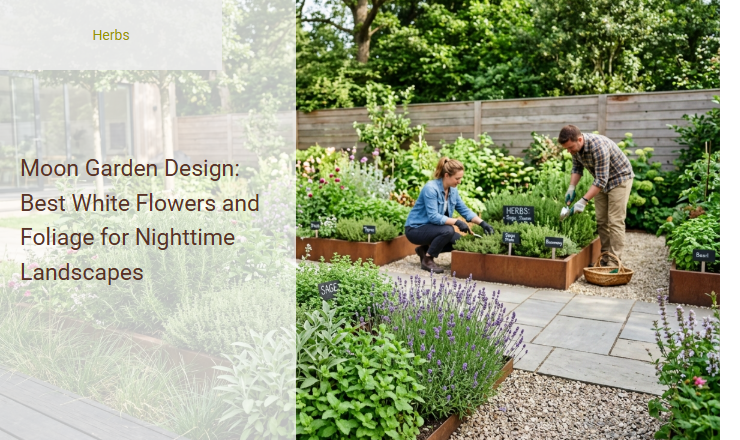
For many homeowners, the considerable investment poured into landscaping seemingly vanishes the moment the sun sets, leaving vibrant yards obscured by darkness. This common frustration stems from a traditional design approach that prioritizes daylight aesthetics, completely overlooking the untapped potential of twilight and nighttime hours.
By intentionally designing a "moon garden," you can dramatically extend the usability of your outdoor living space, transforming dark yards into luminous, serene sanctuaries. However, achieving this nocturnal radiance requires more than simply planting random pale flora; it demands a strategic selection of specimens based on their specific light-reflecting properties and fragrance projection under moonlight.
Utilizing key plants-such as the shimmering, light-catching foliage of Silver Dusty Miller or the starkly reflective petals of Night-Blooming Jasmine-serves as concrete proof of how thoughtful curation can illuminate a dark space. In this guide, we will analyze the premier white flowers, silver foliage, and structural layout strategies to help you design a captivating nighttime landscape.
Read also: Angelica vs Lovage for Architectural Height
Introduction to Moon Gardening
As the sun dips below the horizon, a different kind of magic begins to unfold in the landscape. Moon gardening is the art of designing a landscape that comes alive after dark. By choosing plants with white blossoms and highly reflective foliage, you can capture the faint, silvery glow of the moon. This creates a luminous, serene escape right in your backyard, transforming a standard garden into a glowing nighttime sanctuary. A moon garden invites you to slow down, connect with nature during the quiet hours, and experience the landscape through sight and scent alike.
Selecting the Perfect Nighttime Location
Designing a successful moon garden starts with finding the ideal spot in your yard. To maximize the luminous effect of night-blooming plants, look for areas that naturally catch and hold the evening light.
- Choose a location with wide, open sky exposure to ensure unobstructed moonlight reaches your plants throughout the night.
- Ensure easy path accessibility so you can safely walk to and from the garden in low-light conditions.
- Seek out natural wind protection, such as near a fence or hedge, to keep delicate evening scents from quickly blowing away.
Top White Annuals for Instant Nighttime Glow
Annuals are the perfect starting point for any nighttime garden, offering quick growth and heavy blooming cycles that fill empty spaces rapidly. Sweet alyssum spreads like a carpet of tiny white snowballs, emitting a honey-like fragrance that drifts on the cool evening breeze. White petunias act as vibrant reflectors, catching even the faintest starlight to guide your eyes along garden borders.
Nicotiana, also known as flowering tobacco, unfolds its starry blossoms as dusk falls, releasing a rich perfume and standing tall as a shining beacon of white. These fast-growing plants ensure your garden glows brightly throughout the first season.
Essential White Perennials for Year-Over-Year Brilliance
While annuals provide instant gratification, hardy white perennials form the reliable backbone of your nighttime landscape. These enduring plants return year after year, establishing a structural foundation that ensures your garden remains luminous season after season.
- Shasta Daisies: These classic favorites feature bright white petals surrounding a golden center, standing out beautifully under clear night skies.
- White Coneflowers: With their elegant, swept-back white petals, these sturdy plants offer a long-lasting bloom period and add dramatic height.
- Hostas: Varieties with white-variegated leaves or pale lavender-white flowers thrive in shaded spots, brightening up the darkest corners of the garden.
Fragrant Night-Blooming Plants
A true moon garden is not merely a visual feast; it is a rich, sensory journey designed to engage your sense of smell. Scented flowers that bloom exclusively at night release concentrated, intoxicating perfumes to guide nocturnal visitors. Moonflowers unravel their massive, pearlescent blooms in a matter of minutes as the sun sets, casting a sweet, romantic scent into the air. Similarly, night-blooming jasmine releases a powerful, exotic fragrance that defines the nighttime landscape, making your garden feel like an enchanted oasis far removed from the busy day.
"The evening garden is a space where scent takes the lead, weaving a tapestry of fragrance that guides you through the darkness." Gardening by the Light of the Moon
Silver and Variegated Foliage to Reflect the Moon
While flowers are the stars of the show, foliage plays an equally vital role in a moon garden. Leaves with silver, gray, or variegated tones are highly efficient at catching and reflecting faint ambient light. Dusty miller offers intricately cut, velvety silver leaves that seem to glow almost blue under the moon. Lamb's ear provides a soft, fuzzy texture that holds onto dew and light, acting as a natural mirror in the dark. Integrating these unique leaf textures creates a beautiful, shimmering contrast against darker green backgrounds, ensuring your garden remains visual even when the flowers are resting.
By blending silver foliage with traditional green plants, you add visual depth and structure that shines all night long.
Incorporating Climbing Vines and Structural Shrubs
To create a fully immersive experience, your moon garden should utilize vertical space. Climbing vines and structural shrubs draw the eye upward, adding essential depth, height, and a dramatic backdrop to your ground-level plantings. White climbing roses can be trained over arches and trellises, cascading down in clusters of bright, luminous blooms that catch the high moonlight. Meanwhile, robust shrubs like white hydrangeas produce massive, cloud-like flower heads that float in the darkness, anchoring the garden corners with reliable, glowing structure.
Imagine a sturdy garden arbor completely covered in luminous white climbing roses and flanked by large white hydrangea bushes.
Accentuating with Subtle Lighting and Hardscapes
Natural moonlight is the primary driver of a moon garden, but deliberate hardscaping and soft artificial accents can amplify this magical atmosphere. Carefully selected materials and low-voltage lighting help define the space without overpowering the gentle lunar glow.
- Light-colored gravel paths: Laying down white or light-gray gravel paths reflects ambient light, physically guiding your footsteps while illuminating the ground.
- Indirect solar lights: Place low-intensity, warm LED lights pointing downward to prevent glare and preserve your night vision.
- Reflective water features: A still dark pond or a small bubbling fountain catches the reflection of the moon and stars, adding soothing sound and motion.
Attracting Pollinators of the Night
A moon garden does more than provide human enjoyment; it serves as a vital sanctuary for the local ecosystem. Many essential pollinators are active only after dusk. White flowers, which stand out clearly in the dark, act as natural runway lights for these nocturnal creatures. The sweet, far-reaching scents of night-blooming plants are specifically designed to attract remarkable species like the sphinx moth, also known as the hummingbird moth.
By planting a diverse array of night-blooming species, you invite beneficial insects and nocturnal pollinators to feast, boosting biodiversity and keeping your entire local ecosystem healthy and balanced.
Maintenance and Seasonal Care for Lasting Beauty
To keep your nighttime sanctuary glowing bright, a routine of targeted maintenance is essential. Regular deadheading of spent white flowers ensures that brown, fading petals do not detract from the clean, reflective look of your garden. Pruning back overgrown branches allows maximum light to penetrate the lower layers of the garden canopy, keeping the ground-level plants vibrant.
As the seasons shift, clean up fallen leaves that might block reflective ground covers. Mid-spring is the optimal time to enrich the soil with organic compost, preparing your perennials for a dazzling display. Keeping track of seasonal shifts, especially around , helps you prepare delicate specimens for the colder months ahead, securing a brilliant return next year.
Summary
A moon garden is a specialized landscape designed to be enjoyed during the evening and nighttime hours. This design guide highlights how to create a luminous outdoor sanctuary using plants that reflect moonlight and release sweet fragrances after dusk.
The article emphasizes selecting white flowers, such as night-blooming jasmine, moonflowers, sweet alyssum, and white roses, which glow under the night sky. Additionally, incorporating silver, gray, or variegated foliage plants like dusty miller, lamb's ears, and variegated hostas adds essential texture and reflective qualities to the garden.
Beyond plant selection, the guide touches upon structural elements like light-colored pathways and strategic, subtle lighting to enhance safety and ambiance. Ultimately, a well-planned moon garden transforms a backyard into a serene, sensory retreat that comes alive when the sun goes down, offering a peaceful space for evening relaxation.
Leave a comment