
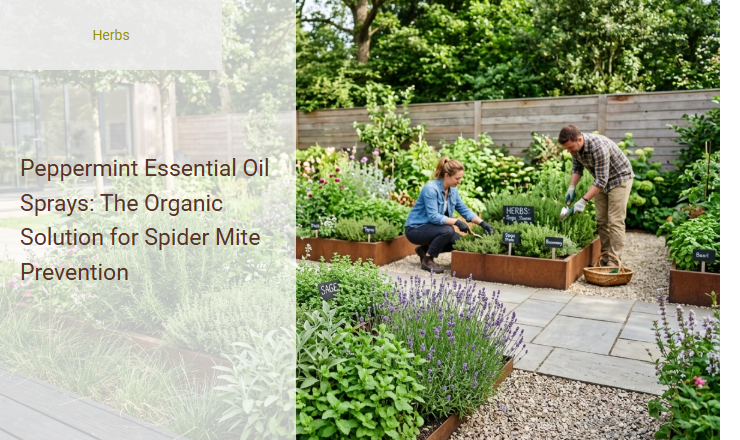
Cultivators and home gardeners frequently battle the devastating effects of spider mite infestations, which can rapidly decimate vibrant foliage and ruin months of hard work. While synthetic chemical interventions are often the first option considered, these harsh treatments can degrade soil health and leave toxic residues on consumable crops.
Transitioning to an organic alternative like peppermint essential oil grants growers a highly effective, residue-free shield that protects both plant vitality and the surrounding ecosystem. However, proper integration requires a key stipulation: organic sprays function primarily as preventative barriers and deterrents, rather than instant cures for severe, deeply established infestations.
For example, proactive applications on highly vulnerable species-such as tomatoes, English ivy, and roses-effectively repel the notorious two-spotted spider mite (Tetranychus urticae) before destructive webbing can form. In this article, we will examine the science behind peppermint oil's pest-repelling properties, provide a precise DIY formulation recipe, and outline best practices for application to ensure your garden remains pest-free.
Read also: Pennyroyal vs Peppermint for Insect Repellent
Understanding the Spider Mite Menace in Your Garden
Spider mites are among the most frustrating pests that can invade your garden, silently wreaking havoc on both indoor houseplants and outdoor ornamental crops. These tiny, arachnid-like creatures thrive in warm, dry environments, multiplying rapidly before you even notice their presence. They feed by piercing plant cells and sucking out vital nutrients, leaving behind unsightly yellow speckles, withered leaves, and delicate webbing that suffocates your beloved greenery. Left unchecked, a minor infestation can quickly lead to the complete defoliation and death of your plants.
Fortunately, you do not need to rely on harsh chemicals to reclaim your garden. Peppermint essential oil offers a powerful, natural, and entirely non-toxic preventative solution. By utilizing this plant-derived defense, you can safeguard your garden from devastating spider mite damage while keeping your living spaces clean and safe.
How Peppermint Oil Repels and Eliminates Spider Mites
The secret to the effectiveness of peppermint oil lies in its primary active chemical compound, menthol. For humans, menthol provides a refreshing scent and cooling sensation, but for tiny pests like spider mites, it is a potent neurotoxin and physical deterrent. Spider mites rely heavily on highly sensitive olfactory and sensory receptors to locate host plants, communicate, and find mates. The intense aroma of peppermint oil completely overwhelms these sensory systems, disorienting the pests and forcing them to abandon the treated plant.
Beyond acting as a strong repellent, peppermint oil also works on a physical level. When sprayed directly onto the pests, the oil coats their microscopic bodies. Since spider mites breathe through tiny openings in their bodies called spiracles, the oily barrier blocks these airways, leading to rapid suffocation. This dual action of sensory disruption and respiratory blockage makes peppermint oil an incredibly efficient, natural weapon against infestations.
The Benefits of Organic Prevention Over Chemical Pesticides
Choosing an organic prevention method over synthetic chemical pesticides offers numerous advantages for your home, your family, and the broader ecosystem. Conventional pesticides often contain persistent toxic chemicals that linger in the environment, whereas natural essential oil sprays break down quickly and safely.
- Peppermint oil is non-toxic to household pets and children, eliminating the risk of accidental chemical poisoning from treated indoor plants.
- Organic sprays do not leave behind persistent chemical residues on edible herbs and vegetables, ensuring your harvest remains clean and safe to eat.
- Using natural oils prevents synthetic runoff from entering local waterways and contaminating soil ecosystems.
- Spider mites easily build resistance to synthetic chemical pesticides, whereas they cannot easily adapt to the physical suffocating action of essential oils.
Essential Ingredients for the Perfect DIY Spray
Creating an effective mite-repelling spray at home requires only a few high-quality, easily accessible ingredients. Using the correct components ensures that the mixture remains stable and safe for your delicate plants.
- Organic Peppermint Essential Oil: Select a 100% pure, organic therapeutic-grade essential oil. Synthetic fragrance oils will not contain the active menthol compounds required to repel and eliminate the pests.
- Distilled Water: Tap water often contains chlorine, fluoride, and minerals that can leave deposits on leaves or interfere with the oil's efficacy. Distilled or filtered water provides a clean, neutral base.
- Natural Liquid Castile Soap: Since oil and water do not naturally mix, an emulsifier is required. Pure liquid Castile soap binds the peppermint oil to the water, ensuring an even distribution of the active ingredients throughout the spray.
Step-by-Step Recipe to Mix Your Peppermint Spray
Follow these precise step-by-step instructions to create a balanced, safe, and effective organic spider mite spray in just a few minutes.
- Measure exactly one quart of distilled water and pour it into a clean, empty spray bottle, preferably made of glass, as essential oils can degrade certain plastics over time.
- Add one teaspoon of natural liquid Castile soap to the water, which will act as the emulsifying agent to break down the oil droplets.
- Drop fifteen to twenty drops of pure organic peppermint essential oil directly into the soap and water mixture.
- Secure the spray bottle cap tightly and shake the bottle vigorously for thirty seconds to ensure the soap, oil, and water are thoroughly blended.
- Shake the bottle gently before every single use to keep the natural ingredients fully emulsified during application.
Application Techniques for Maximum Effectiveness
Proper application is key to successfully eradicating spider mites, as these pests are experts at hiding in the hard-to-reach crevices of your plants. When applying your homemade solution, make sure to thoroughly coat all plant parts. Pay special attention to the undersides of the leaves, where spider mites prefer to gather, feed, and lay their eggs. Spraying only the tops of the leaves will leave the core colony untouched, allowing the infestation to continue growing.
In addition to the foliage, lightly spray the plant stems and the top layer of the soil surface, where fallen mites and eggs may reside. To prevent plant injury, always apply the spray during the cooler times of the day, such as early morning or late evening. Spraying plants in direct sunlight or during peak afternoon heat can cause the oil to heat up, resulting in severe leaf burn. After application, ensure your indoor plants are kept in a well-ventilated area to allow the spray to dry naturally.
Recommended Spraying Schedule for Prevention and Treatment
Consistency is vital when managing pest populations. Depending on whether you are actively fighting an ongoing infestation or simply protecting your healthy plants, you will need to adjust your application frequency accordingly.
| Application Goal | Spraying Frequency | Best Practice Tips |
|---|---|---|
| Active Infestation Treatment | Every 3 to 5 days | Spray consistently for two weeks to disrupt the mite egg-hatching cycle. |
| Preventative Maintenance | Once every 10 to 14 days | Apply a light misting to keep leaves clean and deter incoming pests. |
| Post-Rain Outdoor Touch-Up | Immediately after rainfall | Reapply to outdoor plants as rainwater washes away the protective oils. |
Safety Precautions and Plant Sensitivity Testing
While peppermint oil is a gentle and natural alternative to chemical pesticides, some plant species are highly sensitive to essential oils. Phytotoxicity, or plant injury caused by chemical exposure, can manifest as brown spots, yellowing, or leaf drop if the concentration is too strong for a specific plant variety.
Before treating an entire plant, always perform a 24-hour patch test. Apply a small amount of the mixed peppermint spray to a single, inconspicuous leaf. Monitor the leaf over the next twenty-four hours for any signs of discoloration, wilting, or damage. If the leaf remains healthy, you can proceed with confidence to spray the rest of the plant safely. If damage occurs, dilute your spray mixture with more water and test again.
Integrating Peppermint Oil with Other Organic Control Methods
For the ultimate defense against spider mites, combine your peppermint oil spray with other holistic gardening practices. Integrating multiple natural pest management methods creates a hostile environment for pests while promoting vigorous plant growth.
- Maintain high humidity levels around your plants by using humidifiers or misting trays, as spider mites thrive in dry environments and struggle to reproduce in high humidity.
- Physically rinse your plants with a firm stream of clean water in the shower or sink to knock off adult mites and webs before applying the peppermint spray.
- Introduce predatory mites, such as Phytoseiulus persimilis, which naturally hunt down and consume spider mites without harming your plants. Note that you should wait a few days after spraying peppermint oil before releasing beneficial insects to avoid deterring them.
- Prune and safely discard heavily infested leaves to reduce the overall pest population quickly.
Achieving a Pest-Free Garden Naturally
Establishing a consistent, proactive care routine is the most sustainable way to keep your indoor and outdoor gardens thriving. By integrating a natural peppermint oil spray into your regular plant maintenance schedule, you can deter devastating spider mites before they have a chance to establish a colony. This simple, eco-friendly habit protects your plants from severe cellular damage, leaf drop, and stunted growth.
Embracing natural pest control allows you to cultivate a healthy, vibrant garden space without introducing toxic chemicals into your home environment. With consistent application, routine monitoring, and mindful watering practices, you can maintain a resilient, beautiful, and completely pest-free botanical sanctuary for years to come.
Summary
This article explores the efficacy of peppermint essential oil sprays as an all-natural, organic solution for combating and preventing spider mite infestations. Spider mites are notorious pests that can rapidly devastate houseplants and garden crops, but peppermint oil offers a safe and highly effective alternative to harsh chemical pesticides. The secret lies in its active compound, menthol, which acts as a powerful natural repellent and contact insecticide, disrupting the pests' sensory systems.
By mixing pure peppermint oil with water and a mild carrier like liquid Castile soap, gardeners can easily create a cost-effective preventative spray. Regular application not only deters spider mites and other soft-bodied pests but also leaves behind a refreshing aroma. Ultimately, this eco-friendly approach protects plant health, preserves beneficial garden insects, and ensures a non-toxic environment for households with pets and children.
Leave a comment