
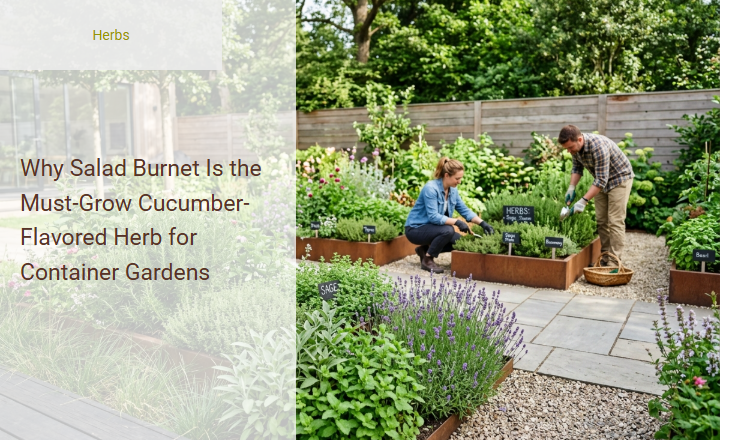
Container gardeners often struggle to grow refreshing summer crops like cucumbers due to limited balcony space and sprawling, high-maintenance vines. While traditional vining vegetables demand heavy trellising and massive soil volume, achieving that crisp, refreshing flavor profile doesn't require a backyard plot.
Enter Salad Burnet (Sanguisorba minor), an overlooked perennial herb that grants urban gardeners an abundant, effortless supply of genuine cucumber flavor from a single compact pot. To manage expectations, it is important to note that this is a hardy, serrated leafy green rather than a fruiting vine, performing best in well-drained soil and cooler transition seasons. Once established, its delicate leaves serve as a gourmet addition to summer salads, chilled gin cocktails, and herbed vinegars.
Below, we outline the essential planting, maintenance, and harvesting strategies required to successfully cultivate this resilient, space-saving herb in your container garden.
Read also: Salad Burnet vs Borage for Cucumber Flavor
Introduction to Salad Burnet: The Cucumber-Flavored Secret
Salad Burnet (Sanguisorba minor) is a delightful, perennial herb that remains one of the best-kept secrets of the gardening world. For modern home gardeners seeking unique flavors, this resilient plant offers a refreshing surprise: its delicate, feathery leaves taste remarkably like crisp, cool cucumber. This distinct cucumber-like flavor profile provides a year-round alternative to water-heavy cucumber plants, making it a true hidden gem for space-conscious growers. Incorporating Salad Burnet into your garden means having a constant, low-maintenance supply of fresh, clean flavor right at your fingertips.
Why Salad Burnet Deserves a Spot in Your Garden
Historically, Salad Burnet was a staple in traditional European kitchen gardens, celebrated during the Elizabethan era for both its culinary versatility and ornamental value. It is incredibly hardy, surviving frost and maintaining an evergreen presence in milder winter climates. Beyond its utility, the plant boasts significant aesthetic appeal, forming a lush, low-growing rosette of deeply toothed leaves that look beautiful in any garden border or landscape design.
The Science Behind the Cool Cucumber Taste
The Volatile Compounds of Sanguisorba
The refreshing sensory experience of eating Salad Burnet comes from specific volatile aldehydes present in its foliage. These chemical compounds are nearly identical to those found in freshly sliced cucumbers, delivering that familiar, crisp essence without any of the bitter cucurbitacins. This means you get a pure, clean finish that enhances dishes without the digestive heaviness or bitterness often associated with traditional garden cucumbers.
The Ultimate Space-Saver: Why Containers Are Ideal
Growing Salad Burnet in containers is highly advantageous, especially for gardeners with limited space. Potted cultivation allows you to manage the plant's growth habits efficiently.
- It features a compact growth habit, making it ideal for windowsills, balconies, and small patios.
- Potted growth helps manage its deep taproot system, keeping the plant healthy and preventing it from competing with surrounding garden flora.
- Containers offer the flexibility to move the herb to optimal microclimates as seasons change.
Selecting the Perfect Pot for Your Salad Burnet
Choosing Your Container
To ensure healthy development, choose a pot that is at least 8 to 10 inches deep to accommodate the plant's long taproot. Terracotta pots are highly recommended because their porous nature allows the soil to breathe and helps regulate moisture. Excellent drainage is vital; always select containers with ample drainage holes to prevent waterlogging, which can quickly lead to root rot.
Optimal Soil and Sunlight Conditions
Soil and Sun Requirements
For maximum leaf production and flavor intensity, use a lightweight, well-draining potting mix with a neutral to slightly alkaline pH of 6.0 to 8.0. Position your container where it receives at least six hours of direct sunlight daily, though it can tolerate partial afternoon shade in hotter climates.
Simple Watering and Maintenance Routines
Establishing a Care Routine
Salad Burnet is relatively low-maintenance, requiring only a simple care routine to thrive in container gardens.
- Water the plant thoroughly when the top inch of soil feels dry to the touch.
- Once established, leverage its natural drought tolerance, which allows it to withstand brief dry spells.
- Avoid overwatering by ensuring the pot never sits in standing water, maintaining just enough moisture to keep the leaves turgid.
How to Harvest Salad Burnet for Peak Flavor
To enjoy the best flavor, always harvest the young, tender leaves from the outer edges of the rosette. Regular pruning of flower stalks is crucial, as this prevents the plant from bolting and keeps the remaining foliage sweet and free from bitterness. Simply snip the stems near the base to encourage fresh, continuous growth throughout the season.
Creative Culinary Uses for Your Fresh Harvest
Salad Burnet brings a delightful freshness to a wide variety of culinary creations, making it highly versatile in the kitchen.
- Muddle the leaves into refreshing summer drinks like gin and tonics, lemonades, or iced teas.
- Toss the young, raw leaves directly into leafy green salads for a sudden burst of cool cucumber flavor.
- Infuse the leaves into high-quality white wine vinegars to create a sophisticated herbal dressing.
- Finely chop the herb and blend it into cream cheese spreads or compound butters for an elegant appetizer.
Start Your Container Herb Garden Today
Bringing this exceptional, low-maintenance herb into your home garden is an easy way to elevate your cooking and gardening experience. Whether you have a spacious patio or a sunny apartment balcony, this unique plant is ready to reward you with abundant, fresh flavors all year long. Explore more container gardening tips and start growing your own cucumber-flavored secret today!
Summary
Salad burnet (Sanguisorba minor) is a hardy, low-maintenance perennial herb that is becoming a must-grow favorite for container gardeners. Celebrated for its unique, refreshing cucumber flavor with a subtle hint of nuttiness, this underutilized herb offers a continuous harvest of beautiful, serrated leaves. Its compact, mounding growth habit makes it absolutely perfect for pots, window boxes, and small-space patios.
This resilient plant is incredibly adaptable, thriving in full sun to partial shade and tolerating poor soil and drought-like conditions once established. Home cooks can easily use the fresh, tender leaves to elevate summer salads, herbal butters, pestos, vinegars, and infused drinks. Since it remains evergreen in milder climates, salad burnet provides a reliable, year-round source of fresh greens, making it an essential and highly rewarding addition to any culinary container garden.
Leave a comment