
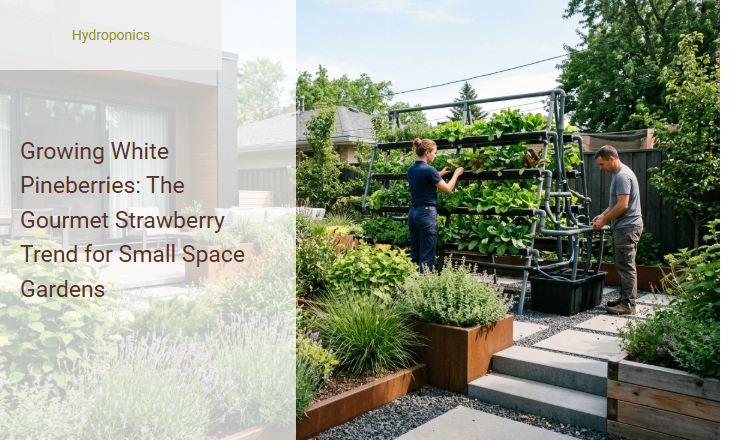
For small-space gardeners, the struggle to balance limited square footage with the desire for unique, high-value harvests is a constant challenge. While traditional red strawberries are a reliable backyard staple, maximizing a balcony or patio requires selecting crops that offer exceptional culinary and aesthetic rewards. Enter the white pineberry-a gourmet trend that grants urban growers a premium, pineapple-infused harvest that is virtually unobtainable in standard supermarkets, turning tiny containers into high-yield gourmet plots.
However, successful cultivation requires a shift in expectations; these berries are not a "set-and-forget" crop. Achieving their signature pale color and sweet flavor depends on managing specific cross-pollination needs, particularly by pairing cultivars like 'White Carolina' or 'White D' with standard red strawberry companions. In this article, we will outline the essential soil requirements, pollination strategies, and container configurations needed to successfully cultivate these exquisite fruits in limited spaces.
Read also: Aeroponics vs Aquaponics for Strawberry Production
Introduction to the Pineberry Phenomenon
The garden world has been captivated by the rise of the white pineberry, a striking strawberry cultivar that flips the script on traditional berry aesthetics. Sporting a striking white appearance with contrasting bright red seeds, these berries look like inside-out strawberries but offer a completely different culinary adventure. When you take a bite, you are greeted by a complex, tropical taste profile-a delicious pineapple-strawberry flavor that is both sweet and subtly tart.
For small-space gardeners, pineberries represent the perfect gourmet crop. They do not require sprawling acres to thrive, making them highly accessible to urban growers, balcony decorators, and patio farmers who want to harvest something truly unique and luxurious right from their homes.
Selecting the Best Pineberry Varieties for Small Gardens
Choosing the right cultivar is the first step toward a successful container harvest. While all pineberries share the signature pale look, subtle differences in growth habits make certain varieties highly suited for compact spaces.
- 'White Carolina': Perhaps the most popular and widely available variety, known for its vigorous growth and excellent suitability for hanging baskets and standard pots.
- 'Wonderful': A highly productive selection that remains compact, making it an excellent choice for tight rows in vertical planters.
- 'White D': Renowned for having slightly larger fruits and a particularly intense tropical aroma, performing exceptionally well in container environments.
Ideal Soil and Sunlight Requirements
To cultivate healthy pineberries in a limited space, replicating their ideal natural habitat is essential. These plants thrive in conditions that mimic the forest edge, demanding plenty of light and rich, well-draining soil to support heavy fruiting cycles.
Soil quality is just as critical. Pineberries require a highly organic, well-draining acidic soil with a pH range of 5.5 to 6.5. You can easily replicate these conditions in small pots by blending high-quality potting soil with peat moss and perlite to boost acidity and ensure superior drainage.
Container Planting Strategies for Balconies and Patios
Growing pineberries in containers allows you to maximize your outdoor areas, whether you have a spacious deck or a tiny apartment balcony. With the right setup, these plants will cascade beautifully over the edges of their containers.
Step-by-Step Container Setup
- Select a pot or hanging basket that is at least 8 to 12 inches in diameter and has ample drainage holes at the bottom.
- Fill the container with a lightweight, acidic potting mix enriched with organic compost.
- Place the pineberry plant in the center, ensuring the crown-the point where the leaves emerge from the roots-rests just above the soil line to prevent rot.
- Space multiple plants at least 6 to 8 inches apart if using larger trough planters or vertical growing towers.
- Water thoroughly after planting and place the container in your sunniest balcony spot.
The Secrets of Cross-Pollination
One of the most important biological quirks of the pineberry is that it is not self-fertile. To get a bountiful harvest, you must plan for cross-pollination. Without a companion plant nearby, your pineberries will produce very few, misshapen fruits or fail to produce entirely.
To solve this, always plant a standard red strawberry variety close by to act as a pollinator. An ideal planting ratio is one red strawberry plant for every five pineberry plants. Honeybees and wind will do the rest of the work, transferring pollen between the blooms to ensure plump, juicy white berries.
Watering and Fertilizing for Maximum Yield
Container-grown plants dry out much faster than those in the ground, making consistent moisture management crucial for high-yielding pineberries.
Water your pineberries whenever the top inch of soil feels dry to the touch, taking care to water the base of the plant rather than the foliage. Be highly cautious of overwatering, as soggy soil will quickly lead to root rot and ruin your harvest.
- Apply water consistently to keep the soil evenly moist, especially during hot summer days.
- Feed plants bi-weekly with a balanced, liquid organic fertilizer designed for berries.
- Choose fertilizers high in potassium and phosphorus to encourage heavy flowering and abundant fruit set.
Managing Runners and Pruning
Pineberry plants naturally produce long, leafless stems known as runners, which they use to propagate themselves. While fascinating, letting these runners grow unchecked can drain valuable nutrients away from your primary goal: fruit production.
Pruning for Abundant Berries
During the peak growing season, regularly snip off runners to force the parent plant to redirect its energy into fruit production. If you want to expand your garden, you can easily propagate new plants by pinning a runner down into a small starter pot filled with soil until it establishes its own roots, then severing it from the mother plant.
Pest Prevention and Disease Control
Because pineberry plants are grown close together in small-space setups, keeping pests and diseases at bay requires proactive, organic methods.
Common garden pests love pineberries just as much as humans do. Birds are usually less attracted to white berries than red ones, but insects can still pose a challenge.
- Use lightweight bird netting if local wildlife begins targeting your ripening crops.
- Control aphids and spider mites by applying organic neem oil spray during the evening hours.
- Prevent powdery mildew by maintaining good air circulation and watering only at the soil level to keep leaves dry.
Harvesting Your Gourmet White Strawberries
Knowing exactly when to pick your pineberries is the key to enjoying their true, tropical flavor at its peak. Because they do not turn red, you must rely on other subtle visual and physical cues to gauge ripeness.
Look for the dramatic color transition: the berries will turn from a pale green to a creamy, warm white, and their tiny seeds will turn a bright, vibrant red. Gently touch the fruit; a ripe pineberry will have a slightly soft texture and release a incredibly rich, pineapple-like aroma that signals it is ready to be gently plucked and enjoyed.
Overwintering Container Pineberries
Pineberries are hardy perennials, meaning they can live for several years and produce fruit season after season if protected from extreme winter weather. Because container roots are more exposed to freezing temperatures than in-ground plants, they require special winter preparation.
As temperatures drop, help your plants transition into their necessary winter dormancy. Apply a thick layer of straw or pine needle mulch over the soil surface to insulate the root system. Move your pots to a sheltered location, such as against a warm house wall, an unheated garage, or a covered patio. Reduce watering significantly, keeping the soil just barely damp so the roots do not dry out completely during their winter rest, ensuring they return with vibrant, healthy growth in the spring.
Summary
"Growing White Pineberries: The Gourmet Strawberry Trend for Small Space Gardens" explores the rising popularity of pineberries-unique white strawberries adorned with red seeds that boast a tropical, pineapple-like flavor. Perfect for urban horticulturists, these gourmet berries thrive in containers, hanging baskets, and compact garden beds, making them ideal for limited spaces.
The guide outlines essential cultivation tips, highlighting that pineberries require a nearby traditional red strawberry variety for cross-pollination to ensure a bountiful harvest. They prefer full sun, slightly acidic, well-draining soil, and consistent moisture. Interestingly, because they lack red pigment, pineberries naturally deter birds who mistake them for unripe fruit. Ultimately, this article serves as an inspiring and practical blueprint for small-space gardeners looking to cultivate a rare, visually striking, and delicious treat right at home.
Leave a comment