
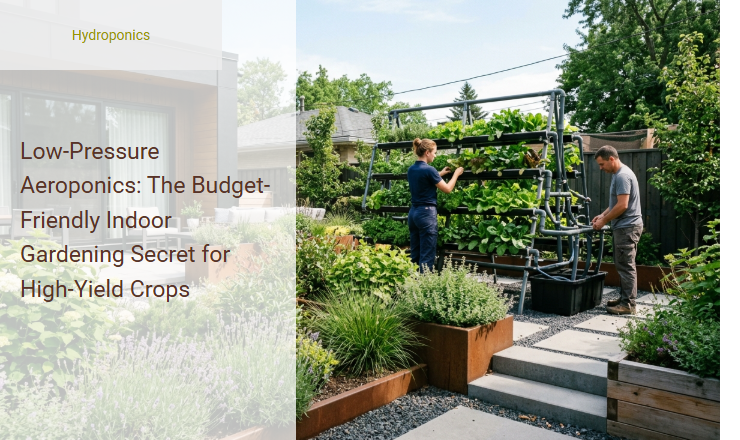
For many indoor gardeners, achieving high crop yields without breaking the bank feels like an impossible balancing act. While high-pressure aeroponics (HPA) has revolutionized commercial agriculture, the steep cost of specialized misting equipment remains a major barrier for home growers.
Fortunately, Low-Pressure Aeroponics (LPA) offers a budget-friendly alternative that grants growers rapid plant growth and impressive yields at a fraction of the setup cost. To succeed, however, gardeners must note one key stipulation: LPA systems require diligent water temperature control and routine nozzle maintenance to prevent clogging. When these conditions are met, fast-growing crops like leafy greens, basil, and strawberries thrive exceptionally well in this setup.
In this guide, we will examine the science behind LPA, detail the exact components needed to build a cost-effective system, and share proven techniques to optimize your indoor harvest.
Read also: High Pressure vs Low Pressure for Aeroponic Misting
Introduction to Low-Pressure Aeroponics
Low-Pressure Aeroponics (LPA) is an innovative, highly efficient indoor gardening method that allows you to grow plants without any soil. Unlike traditional soil gardening, which relies on dirt to hold nutrients, or hydroponics, which submerges plant roots directly in water, LPA suspends the plant roots in the air. This budget-friendly system delivers water and essential nutrients directly to the exposed roots in a fine mist. By eliminating the resistance of soil and the oxygen-limiting environment of standing water, LPA offers a high-yield solution that anyone can set up at home.
How Low-Pressure Aeroponics Works
At the heart of low-pressure aeroponics is a simple yet effective physical mechanism. Plant roots hang freely inside a dark, sealed chamber, completely separated from soil or growing media. A standard, low-pressure submersible pump sits inside a nutrient reservoir below the root chamber. This pump pushes water through a network of pipes and exits through misting nozzles, creating a steady spray of nutrient-rich droplets that coat the suspended roots.
The biological magic happens because the roots are constantly exposed to the surrounding air. This maximum oxygen exposure accelerates the plant's metabolic processes, leading to faster nutrient absorption and rapid growth rates that far exceed traditional soil-based methods.
Low-Pressure vs. High-Pressure Aeroponics
Aeroponic systems generally fall into two categories: low-pressure (LPA) and high-pressure (HPA). Understanding the differences helps in choosing the right setup for your home garden.
The Major Differences
While both systems suspend roots and spray them with nutrients, they differ significantly in execution, cost, and complexity:
- Cost: LPA utilizes cheap, readily available pond pumps and plastic fittings, whereas HPA requires expensive high-pressure pumps, heavy-duty accumulation tanks, and specialized solenoids.
- Complexity: LPA is incredibly easy to build and maintain, making it highly accessible for beginners, while HPA requires precise plumbing, pressure gauges, and technical calibration.
- Droplet Size: HPA produces a super-fine, fog-like mist of 50 microns, whereas LPA delivers larger water droplets that are still highly effective for nourishing plant roots on a budget.
Essential Components of a DIY LPA System
Building your own low-pressure aeroponic system is simple and requires only a few affordable components. Most of these items can be purchased online or at a local hardware store.
- Reservoir: A heavy-duty, dark-colored plastic tote that holds the water and nutrient solution while keeping light away from the roots to prevent algae growth.
- Submersible Pump: A standard utility or pond pump capable of pushing water through your spray lines with adequate pressure.
- PVC Pipes or Tubing: The plumbing network that delivers water from the pump up to the root chamber.
- Misting Nozzles: Low-pressure sprayers or micro-sprinklers designed to distribute the nutrient solution evenly onto the suspended roots.
- Net Cups and Neoprene Inserts: Small slotted cups that hold the plants in place at the top of the reservoir, supported by foam collars.
- Digital Cycle Timer: A specialized timer capable of turning the pump on and off in short increments, such as running for one minute every five minutes.
Step-by-Step DIY Build Guide
Assembling your own low-pressure aeroponic system is a straightforward weekend project. Follow these simple steps to build a functional unit from scratch.
- Measure and mark the lid of your plastic reservoir to space out your plants evenly, then use a hole saw to drill the openings for your net cups.
- Construct a PVC pipe manifold that fits inside the reservoir, attaching low-pressure misting nozzles along the pipe at regular intervals to ensure complete root coverage.
- Connect the PVC manifold directly to the outlet of your submersible pump and place the pump securely at the bottom of the reservoir.
- Fill the reservoir with water, plug the pump into your digital cycle timer, and test the spray pattern to make sure all nozzles mist evenly without leaking.
- Insert your plants into the net cups using neoprene collars to support the stems, then place the cups into the drilled holes so the roots hang freely below the lid.
Best Crops to Grow with Low-Pressure Aeroponics
While many plants can adapt to aeroponic systems, certain crops perform exceptionally well in a suspended, misted root environment. These plants thrive on the high oxygen levels and frequent moisture delivery.
Ideal Plants for LPA
- Leafy Greens: Lettuce, spinach, and kale grow incredibly fast and yield tender, clean leaves free of soil grit.
- Herbs: Basil, mint, cilantro, and parsley love the consistent moisture and develop intense flavors in aeroponic setups.
- Fruiting Plants: Strawberries and dwarf tomatoes thrive under these conditions, producing sweet, abundant fruit throughout the year.
Managing Nutrients and pH Levels
Because aeroponic plants have completely bare roots, they are highly sensitive to the quality of the water and the concentration of nutrients. Without soil to act as a buffer, any imbalance can quickly affect plant health, making precise management essential.
Start by mixing a high-quality, water-soluble hydroponic nutrient solution into your reservoir. You must regularly monitor the strength of this solution using a total dissolved solids (TDS) meter to measure parts per million (PPM). Maintaining the correct PPM ensures your plants receive the proper density of food without suffering from nutrient burn.
Equally important is the pH level of the water, which determines how easily plants can absorb nutrients. Aim to keep your pH level between 5.5 and 6.5, checking it daily and adjusting it with small amounts of pH Up or pH Down solutions as needed.
System Maintenance and Cleaning Routines
A successful low-pressure aeroponic system relies on consistent upkeep to prevent mechanical issues and keep plants healthy. Simple routines will save you time and protect your harvest.
- Clean and clear the misting nozzles weekly to prevent clogs caused by mineral buildup and nutrient salts.
- Change the nutrient solution in the reservoir every two weeks to keep the mineral balance fresh and prevent pathogen growth.
- Sterilize all system components, including the reservoir, pipes, and net cups, between crop cycles using a diluted hydrogen peroxide or food-grade bleach solution.
Troubleshooting Common LPA Problems
Even with careful planning, issues can occasionally arise in an active indoor garden. Being prepared for these moments helps you act quickly to protect your plants.
Pump Failures and Power Outages
Because roots are suspended in the air, they can dry out and die in a matter of hours if the pump stops running. Always keep a backup pump on hand so you can swap it out immediately if the primary unit fails. During a power outage, manually spray the roots with water using a hand mister to keep them hydrated until the electricity returns.
Clogged Misters and Root Rot
If you notice leaves wilting, check the spray nozzles inside the reservoir immediately. Clogged misters restrict water flow, depriving roots of vital hydration. If roots look brown or smell bad, you are likely dealing with root rot. Increase the frequency of your cleaning cycles and ensure your reservoir temperature stays below 70 degrees Fahrenheit to prevent harmful pathogens from thriving.
Embracing the Future of Indoor Gardening
Low-pressure aeroponics represents a massive leap forward for sustainable, home-based agriculture. By combining massive water savings with accelerated plant growth, this system provides an accessible way to harvest fresh produce all year round. It minimizes environmental impact while maximizing productivity right inside your living space.
Starting your own DIY setup is an incredibly rewarding experience that bypasses the mess of soil and the high costs of complex commercial equipment. With a basic pump, a sturdy reservoir, and a little curiosity, you can easily unlock the power of aeroponics and cultivate a thriving, budget-friendly indoor garden.
Summary
"Low-Pressure Aeroponics: The Budget-Friendly Indoor Gardening Secret for High-Yield Crops" explores an accessible, cost-effective cultivation method that brings professional-grade yields to home gardeners. Low-Pressure Aeroponics (LPA) suspends plant roots in the air, misting them with a nutrient-rich water solution using affordable, standard pond pumps and simple sprinkler nozzles. Unlike expensive high-pressure setups, LPA is highly DIY-friendly and can be easily constructed using basic, budget-friendly hardware.
By eliminating soil and maximizing root exposure to oxygen, this technique accelerates plant growth, enhances nutrient absorption, and significantly boosts crop yields. The article highlights LPA as an eco-friendly solution that conserves water and space, making it ideal for the indoor cultivation of leafy greens, herbs, and vegetables. Ultimately, it serves as a practical guide for hobbyists looking to maximize their indoor harvest without making a significant financial investment.
Leave a comment