
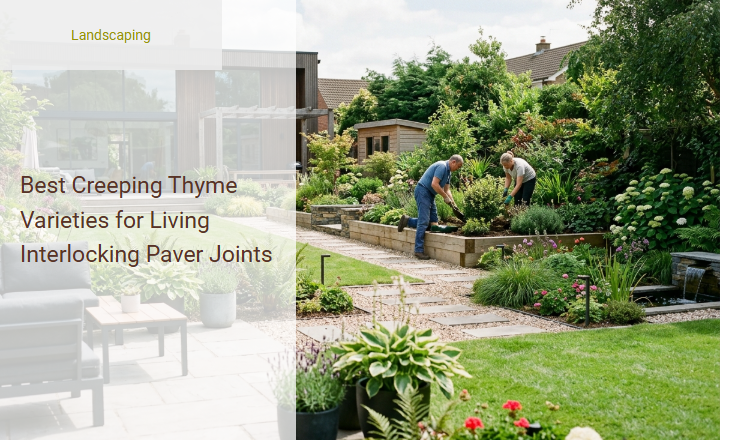
Maintaining pristine interlocking paver joints is a constant battle against stubborn weeds and eroding polymeric sand. While traditional hardscaping provides structural stability, it often lacks the vibrant, organic warmth of a living landscape. Integrating resilient groundcovers into these narrow crevices solves this dilemma, transforming sterile stone into a lush, weed-suppressing tapestry that releases a pleasant herbal aroma underfoot.
However, successful integration requires careful botanical selection. Paver joints present a challenging microclimate characterized by restricted root zones, high radiant heat, and foot traffic, meaning not all cultivars will survive. Low-profile varieties like 'Elfin' and the highly resilient 'Red Creeping' thyme are proven performers capable of thriving in these precise conditions.
In this guide, we evaluate the best creeping thyme varieties for paver joints, analyzing their growth habits, traffic tolerance, and establishment requirements to help you select the perfect living mortar for your hardscape.
Read also: Hand Weeding vs Flame Weeding for Paver Cracks
Transforming Hardscapes with Living Paver Joints
Modern landscape design often relies heavily on concrete, brick, and stone, which can sometimes result in cold, sterile outdoor spaces. Homeowners and designers are increasingly looking for ways to soften these rigid structures. One of the most effective and visually striking methods is replacing traditional sand or polymeric joint fillers with living plants. Using creeping thyme as a green grout alternative not only introduces a vibrant, organic texture directly into your pathways but also provides significant environmental benefits, such as reducing stormwater runoff and cooling down hot hardscape surfaces during the summer months.
Why Creeping Thyme is the Perfect Choice for Walkways
Creeping thyme stands out as the premier candidate for planting between pavers due to its exceptional resilience and low-profile growth habit. Unlike delicate mosses that require constant moisture, this hardy groundcover thrives in the dry, hot microclimates created by stone and concrete surfaces. It possesses an incredible tolerance for foot traffic, bouncing back easily after being stepped on. Best of all, walking across a thyme-filled path triggers a delightful aromatic release of herbal sweetness, transforming a simple stroll through the garden into a highly sensory experience.
Key Features to Look For in Joint-Filling Varieties
Not all thyme varieties are suited for the tight confines of interlocking stone joints. When selecting the right cultivar for your walkway, you must evaluate specific growth characteristics to ensure long-term success without overcrowding the paving stones.
- Maximum Height: Look for ultra-low-growing varieties that do not exceed one to two inches in height to prevent tripping hazards.
- Growth Rate and Spread: Choose a variety that spreads quickly enough to suppress weeds, yet behaves predictably enough not to overtake adjacent lawn or garden beds.
- Root Adaptability: The selected variety must have a shallow, fibrous root system capable of establishing itself in the narrow, shallow crevices between pavers.
Red Creeping Thyme: A Vibrant Splash of Crimson
Thymus praecox 'Coccineus'
For those looking to make a bold color statement, Red Creeping Thyme is an exceptional choice. This cultivar is renowned for its ultra-flat growth habit, hugging the ground tightly and keeping walkways safe and walkable. During the mid-to-late summer, it produces a breathtaking blanket of deep pink to crimson flowers that contrast beautifully with dark stone. It is highly suited for sunny paver pathways where it can soak up the heat and sunlight needed to fuel its intense floral display.
White Creeping Thyme: Crisp Contrast for Dark Pavers
Thymus praecox 'Albus'
White Creeping Thyme offers a refined, minimalist aesthetic that works wonderfully in contemporary landscape designs. It features bright white blossoms that form a dense, snowy carpet over vivid, emerald-green foliage. This pristine coloration provides a striking, clean contrast against dark concrete, slate, or charcoal interlocking pavers, brightening up garden paths even on overcast days.
Elfin Creeping Thyme: The Ultimate Ultra-Dwarf Variety
Thymus praecox 'Elfin'
If your hardscape features exceptionally narrow spaces, Elfin Creeping Thyme is the ideal solution. This variety is celebrated as the ultimate ultra-dwarf cultivar, characterized by its exceptionally slow-growing, tight-mound habit. It forms miniature, moss-like cushions of tiny grey-green leaves that perfectly fill the tightest 1/4-inch paver joints without spilling over onto the stone surfaces, keeping your path looking meticulously manicured.
Woolly Thyme: Fuzzy Silver Foliage for Textured Joints
Thymus pseudolanuginosus
Woolly Thyme introduces a completely different texture to the garden. Instead of smooth, glossy green leaves, this variety features tiny, fuzzy, silver-gray foliage that feels soft to the touch. It exhibits outstanding drought tolerance, thriving in dry conditions where other plants would wither. While it handles light foot traffic best, its unique silvery hue makes it a gorgeous choice for wider paver joints in accent areas or patio borders.
Pink Chintz: Early Blooms and High Durability
Thymus praecox 'Pink Chintz'
Pink Chintz Creeping Thyme is highly valued for its early blooming cycle, bursting into a sea of pale, pastel-pink flowers well before other varieties start to bud. Its fuzzy, dark-green foliage forms a dense mat that is exceptionally tough. This cultivar possesses superior durability against heavy foot traffic, making it the perfect choice for primary garden walkways and high-use patio areas.
How to Plant Creeping Thyme Between Interlocking Pavers
Successfully establishing a living walkway requires careful preparation and planting techniques to give the young thyme plugs the best start possible.
- Remove the existing sand or polymeric joint filler to a depth of at least two inches using a narrow trowel, screwdriver, or pressure washer.
- Fill the cleared joints with a gritty, well-draining soil mix consisting of equal parts compost and sharp sand.
- Gently tease apart creeping thyme plugs into smaller, finger-sized pieces that fit comfortably within the narrow crevices.
- Tuck the plugs securely into the joints, pressing the soil firmly around the roots to eliminate air pockets, ensuring the crown of the plant sits slightly below the paver surface.
Essential Care and Maintenance for Long-Lasting Thyme Joints
Once planted, keeping your living paver joints healthy and vibrant requires a steady but low-maintenance routine. During the first growing season, implement a regular watering schedule to keep the soil lightly moist until the roots are fully established. Once mature, creeping thyme is highly drought-tolerant and will require minimal supplemental watering. Perform occasional trimming with shears or a lawnmower on a high setting after the blooming season to maintain a tidy appearance. Hand-pull any stray weeds early on to prevent them from competing with the slow-growing thyme, ensuring a seamless, lush green carpet between your stones for years to come.
Summary
Using creeping thyme between interlocking paver joints is an excellent way to soften hardscapes, suppress weeds, and add aromatic charm to your garden pathways. This durable groundcover is highly resilient, drought-tolerant, and capable of withstanding light foot traffic. When selecting the best varieties for tight paver gaps, certain cultivars stand out for their specific growth habits and aesthetic appeal.
Elfin Creeping Thyme is a top recommendation due to its miniature, ultra-compact growth that hugs the ground and won't spill over walkways. Red Creeping Thyme offers vibrant pink-to-red summer blooms that create a striking visual contrast against stone, while Woolly Thyme provides a unique, silvery-gray fuzzy texture that excels in hot, dry conditions. Incorporating these resilient, low-growing herbs into your patio or walkway design transforms utilitarian pavers into a lush, living tapestry that releases a pleasant scent whenever stepped on.
Leave a comment