
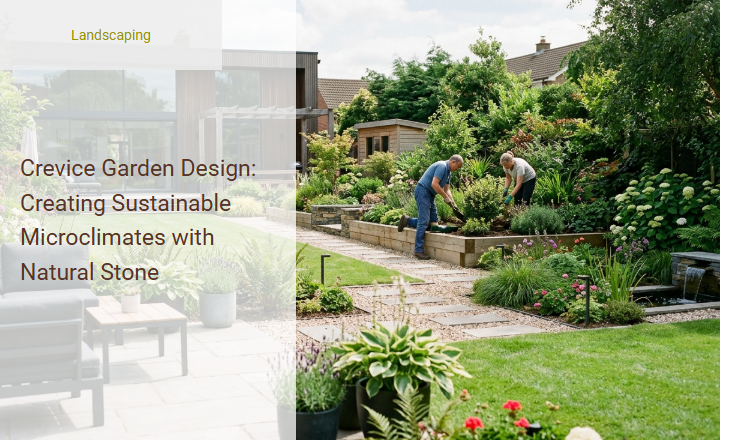
Many passionate horticulturists face the frustrating challenge of watching delicate alpines and drought-tolerant flora succumb to wet winter soils and summer heatwaves in standard garden beds. While traditional rockeries offer some relief, modern climate volatility demands a more sophisticated approach to soil temperature and moisture control. Crevice gardening addresses this struggle by granting gardeners the unique ability to cultivate highly sensitive species with minimal water, leveraging the thermal properties of natural stone to shield root systems.
However, achieving these benefits requires a shift in perspective; success hinges on the strict physical alignment of materials rather than mere aesthetic placement. By tightly packing vertical slabs of limestone or slate, you create deep, cool root channels that mimic natural cliff faces, allowing resilient specimens like Saxifraga and hardy succulents to thrive. This guide will detail the essential engineering principles, material selection, and planting techniques required to design your own sustainable crevice microclimate.
Read also: Flagstone vs Slate for Walkways
The Art and Ecology of Crevice Gardening
Crevice gardening is a highly specialized style of rock gardening that mimics the natural, rugged beauty of mountain ridges, cliffs, and rocky outcrops. Originating in the Czech Republic during the late 20th century, this design style has evolved from a niche hobby for alpine plant collectors into a highly valued sustainable landscaping solution. By arranging stones tightly together, gardeners can recreate the look of natural geological formations while providing ideal growing conditions for specialized flora.
The aesthetic appeal of a crevice garden lies in its dramatic, architectural structure. The vertical alignment of rocks creates a sense of depth, texture, and movement that traditional flat garden beds cannot replicate. Beyond its visual beauty, this gardening method offers significant ecological advantages for modern landscapes. By utilizing native rocks and drought-tolerant plants, these gardens reduce water consumption, eliminate the need for synthetic fertilizers, and create resilient ecosystems that thrive in the face of changing climate patterns.
The Science of Rock-Created Microclimates
At its core, a crevice garden is a functional engineering system that relies on the physical properties of stone to protect and sustain plant life. When stones are positioned close together, they create deep, narrow fissures that act as self-regulating microclimates. These rock faces shield delicate root systems from the harsh elements above, creating a stable underground environment.
The science behind these microclimates relies on several key physical processes:
- Thermal Regulation: Rocks absorb solar radiation during the day and slowly release that heat during the cold night hours, preventing extreme soil temperature fluctuations.
- Capillary Moisture Retention: Deep crevices channel rainwater downward, preventing surface evaporation and keeping moisture deep within the root zone where plants need it most.
- Wind Protection: The physical barriers of the stones break up harsh wind currents, reducing transpiration rates and protecting foliage from desiccation.
- Sub-Surface Insulation: In winter, the stone mass acts as insulation, preventing the soil from freezing solid and protecting roots from frost heave.
Selecting the Ideal Natural Stone
The choice of stone determines both the visual character and the physical performance of your crevice garden. Different rock types interact with water, heat, and root systems in unique ways, making selection a critical step in the planning process.
| Stone Type | Porosity & Water Retention | Thermal Properties | Aesthetic Impact |
|---|---|---|---|
| Limestone | Medium-high porosity; alkaline runoff benefit | Excellent heat retention and gradual release | Classic weathered grey; features natural fissures |
| Sandstone | High porosity; absorbs water like a sponge | Moderately warm; prevents rapid overheating | Warm earthy tones; easily split into flat slabs |
| Slate | Low porosity; sheds water rapidly | Heats up quickly; high thermal conductivity | Sharp, dramatic dark sheets; modern appearance |
Site Analysis and Positioning for Maximum Efficiency
To maximize the ecological benefits of a crevice garden, careful site selection is required. Proper placement ensures that the stones can efficiently regulate temperature and manage water runoff without human intervention.
When selecting and preparing your site, consider the following key factors:
- Solar Exposure: Position the garden in a location that receives at least six hours of direct sunlight daily to mimic exposed alpine or desert environments.
- Natural Slope: Utilizing an existing slope, or building a mound, aids in gravity-assisted drainage and prevents water from pooling at the base.
- Prevailing Wind Patterns: Align the long axes of your stones perpendicular to dominant wind patterns to shield delicate plants from drying gusts.
- Underlying Drainage: Avoid low-lying areas with heavy clay soil. If necessary, excavate the base and install a thick layer of coarse gravel before building.
Structural Design and Stone Placement Techniques
The physical arrangement of the stones is the most critical phase of construction. Unlike traditional rockeries where rocks are laid flat, crevice gardens require stones to be set vertically or at steep angles, typically between 45 and 80 degrees, to simulate natural tectonic tilting.
Stones must be buried deeply-often two-thirds of their volume should be underground-to ensure stability and establish deep crevice channels. When placing stones, maintain a consistent angle of tilt throughout the entire structure to mimic authentic geological strata.
"The goal is not to build a pile of rocks, but to suggest a single, massive stone formation that has been fractured and exposed by centuries of erosion." Modern Rock Gardening Guide
Ensure that the spaces between the stones are tight, ranging from one to two inches wide. These narrow gaps force plant roots to grow deep into the cool, moist depths of the structure rather than spreading horizontally near the hot surface.
Crafting the Perfect Low-Nutrient Substrate
Traditional garden soils are far too rich and retain too much moisture for crevice-dwelling plants. To prevent root rot and encourage the deep, searching root growth characteristic of alpine species, you must mix a specialized, highly draining substrate.
The ideal growing medium should be mostly mineral-based, containing very little organic matter. A reliable recipe for a crevice garden substrate includes:
50% Coarse Sand- Provides structural spaces and rapid drainage.30% Fine Gravel or Grit- Prevents compaction and allows easy root penetration.10% Perlite or Pumice- Retains minor moisture without waterlogging the roots.10% Loam or Compost- Delivers just enough nutrients for minimal plant sustenance.
Selecting Resilient and Low-Water Plants
The plants chosen for a crevice garden must be adapted to survive in minimal soil and harsh exposure. These species naturally thrive in rocky cracks where other plants would wither.
Selecting the right varieties ensures a balanced, self-sustaining community of plants that requires very little supplemental watering.
Alpine Specialists
- Saxifraga (Saxifrages) - Fills tiny fissures with tight, lime-encrusted rosettes.
- Gentiana (Gentians) - Offers striking blue flowers and thrives in cool rock root-zones.
- Phlox subulata (Creeping Phlox) - Cascades over stone edges, softening hard lines.
Succulent Varieties
- Sempervivum (Hens and Chicks) - Extremely drought-tolerant; grips bare rock surface.
- Sedum (Stonecrop) - Tough, low-growing groundcover that tolerates intense heat.
- Delosperma (Ice Plant) - Provides vibrant summer blooms with minimal soil requirements.
Planting Techniques for Tight Crevices
Planting in a crevice garden requires a different approach than traditional container planting. Because the gaps between stones are very narrow, standard root balls cannot be directly inserted without damage.
Follow these steps to successfully establish plants in narrow rock fissures:
- Bare-root the plant: Gently wash away all potting soil from the roots of your specimen, exposing the bare root system.
- Wrap the roots: Wrap the bare roots in a damp, single-ply paper towel to protect them during insertion and retain initial moisture.
- Wedge into position: Slide the wrapped roots deep down into the crevice, ensuring the crown of the plant sits just above the rock edge.
- Backfill and secure: Use a thin tool or spatula to pack the mineral substrate firmly around the roots, leaving no air pockets.
- Apply top-dressing: Pack fine gravel or stone chips around the collar of the plant to shield it from moisture and prevent rot.
Sustainable Water Management and Thermal Mass Benefits
Crevice gardens are incredibly water-efficient landscapes. By relying on the thermal mass of surrounding stones, these gardens naturally reduce evaporation rates. The stone surfaces collect dew during humid mornings and funnel minimal rainfall directly into the planting fissures, acting as a passive rain-harvesting system.
Because the roots are insulated deep within the cool earth behind the stones, the plants do not experience the rapid dehydration common in traditional raised beds or pots.
Environmental stewardship in landscaping is achieved when we design systems that work with natural physics rather than relying on constant irrigation and chemical inputs.
Long-Term Maintenance and Seasonal Care
While crevice gardens require very little daily maintenance, seasonal oversight ensures the long-term health and stability of the ecosystem. Because these gardens are built with highly mineralized substrates, weed growth is minimal, but occasional maintenance is still necessary.
Following a structured care schedule will preserve both the aesthetic and ecological value of your garden throughout the year.
Spring and Summer Tasks
- Weed Management: Hand-pull any opportunistic weeds before their roots can penetrate deep into the crevice system.
- Gravel Replenishment: Check for shifting grit and top-dress exposed soil areas with fresh stone chips to maintain the protective mulch layer.
- Health Monitoring: Inspect plants for any signs of rot or stress, adjusting water schedules if extreme, multi-week droughts occur.
Autumn and Winter Prep
- Debris Clearing: Remove fallen leaves from the crevices to prevent them from rotting and enriching the low-nutrient soil.
- Winter Protection: In regions with wet winters and no snow cover, erect a temporary pane of glass or plastic over sensitive alpines to shield them from excessive winter wetness.
Summary
"Crevice Garden Design: Creating Sustainable Microclimates with Natural Stone" explores the innovative art of crevice gardening, a highly sustainable landscaping method inspired by rugged alpine and desert environments. By arranging natural stones vertically and tightly together, this design technique creates deep, narrow soil pockets that mimic natural rock fractures. This unique structure provides exceptional drainage at the surface while retaining crucial moisture deep underground, encouraging plants to develop resilient, deep root systems.
Furthermore, the varied angles of the stone faces establish diverse microclimates-offering distinct zones of sun, shade, wind protection, and heat retention within a compact footprint. This allows gardeners to cultivate a rich variety of alpines, succulents, and drought-tolerant species with minimal water. Ultimately, crevice gardens offer an ecologically friendly, low-maintenance solution for modern landscapes, combining striking natural aesthetics with resource conservation and habitat creation.
Leave a comment