
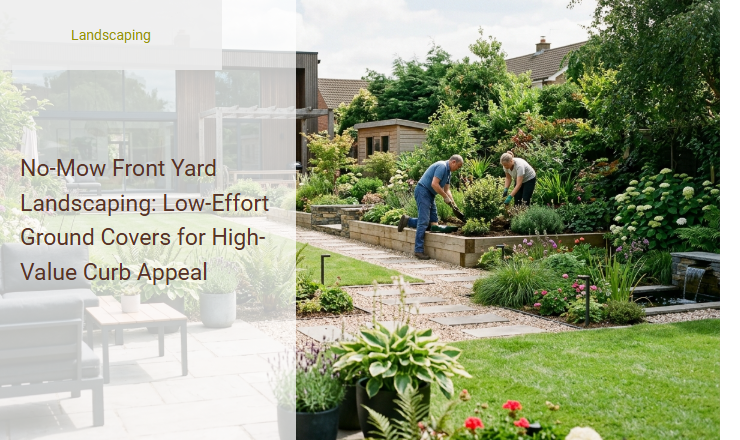
Maintaining a pristine turf lawn is an exhausting, expensive, and seemingly endless chore that dominates your weekends. While traditional grass has long been the standard for neighborhood curb appeal, its constant demands for watering, fertilizing, and mowing often yield diminishing returns for busy homeowners looking to maximize their free time.
Transitioning to a no-mow front yard offers a liberating alternative, granting you a striking, biodiverse landscape that instantly boosts property value while drastically reducing your ongoing upkeep. However, low-effort does not mean zero-effort; achieving a flawless look requires a strategic understanding of your yard's specific sunlight, climate, and soil conditions before planting.
Resilient species like Creeping Thyme and Microclover serve as concrete proof that you can enjoy a lush, traffic-tolerant green carpet without ever starting a lawnmower. Ahead, we will explore the best low-maintenance ground covers, step-by-step transition methods, and professional design strategies to elevate your home's exterior aesthetic effortlessly.
Read also: Annuals vs Perennials for Front Yards
The Shift to No-Mow: Why Traditional Lawns are Fading
For decades, the pristine green lawn has stood as the default standard for suburban curb appeal. However, maintaining this artificial monoculture demands an exhausting cycle of weekend mowing, chemical fertilizing, and excessive watering. Today, forward-thinking homeowners are breaking free from this resource-heavy routine by embracing no-mow ground covers. Replacing traditional turf grass with living carpets of diverse flora is not just an environmental triumph; it is a financial and time-saving victory. By choosing low-maintenance alternatives, you can drastically reduce your water bills, eliminate the need for costly lawn mowers, and reclaim your weekends. More than just a practical choice, a thoughtfully curated ground cover tapestry transforms your front yard into an enchanting, pollinator-friendly oasis that instantly boosts your home's curb appeal and sets your property apart from the neighborhood monotony.
Assessing Your Front Yard: Sunlight, Soil, and Climate
Before rushing to purchase new plants, a successful lawn transition requires a thorough evaluation of your yard's unique microclimate. Matching the right ground cover to your specific environmental conditions ensures healthy growth and long-term viability without the need for constant intervention.
To determine the best species for your landscape, focus on evaluating these three critical factors:
- Daily Sun Exposure: Observe which areas of your yard receive full sun (six or more hours of direct sunlight), partial shade, or dense shade from mature trees and structures.
- Soil Type and Drainage: Dig a small test hole to assess your soil. Sandy soil drains rapidly but may lack nutrients, while heavy clay retains water and can rot plant roots if not amended.
- USDA Plant Hardiness Zone: Select native or highly adapted species that are rated to survive both the peak summer heat and the lowest winter temperatures of your geographical region.
Creeping Thyme: The Fragrant, Colorful Lawn Alternative
For a vibrant, living carpet that actively rewards you for stepping on it, few plants compare to Creeping Thyme. This resilient, low-growing herb releases a pleasant, earthy aroma whenever its leaves are bruised, making it the premier choice for footpaths and high-traffic front yards. During the late spring and summer months, it erupts into a sea of lavender, pink, or purple blossoms that draw in beneficial pollinators while keeping weed growth at bay.
Beyond its visual appeal, Creeping Thyme is exceptionally drought-tolerant once established, thriving in sandy or poor soil where traditional turf grass would quickly wither and brown.
"Creeping Thyme represents the perfect marriage of sensory delight and rugged utility, offering a soft, fragrant cushion that requires a fraction of the water of a standard lawn."
To establish a solid carpet, plant individual plugs spaced about eight to twelve inches apart in a sunny, well-draining area. Within a single growing season, these plugs will spread, knit together, and form a dense, weed-suppressing mat that requires absolutely zero mowing.
Evergreen Ground Covers for Year-Round Greenery
While deciduous ground covers are beautiful, winter can sometimes leave bare patches in your landscape. To maintain a structured, lush appearance even in the coldest months, integrating evergreen species is highly beneficial.
Two of the most reliable options for constant year-round color include:
- Creeping Juniper: A incredibly tough, sun-loving conifer that spreads horizontally, offering excellent erosion control and a beautiful blue-green hue that survives harsh winters.
- Pachysandra (Japanese Spurge): A classic, shade-tolerant choice that features rich, glossy green leaves that form a neat, uniform blanket under trees where grass refuses to grow.
These hardy evergreens act as a continuous shield, protecting your topsoil from winter wind erosion while physically blocking sunlight from reaching dormant weed seeds. By maintaining their leafy structure throughout the year, they ensure your curb appeal never suffers a seasonal decline.
Shaded Sanctuaries: Best Ground Covers for Low-Light Yards
Dense shade from mature trees or nearby buildings often turns traditional turf into a patchy, muddy disappointment. Instead of fighting nature with expensive fertilizers and seed, shade-loving ground covers allow you to turn these challenging spots into lush, woodland retreats.
Some of the most resilient species for low-light conditions include:
- Sweet Woodruff: Known for its delicate star-shaped leaves and fragrant white spring flowers, it quickly forms a soft, emerald-green carpet in damp shade.
- Bugleweed (Ajuga reptans): A fast-growing option that features deep bronze or purple foliage and striking blue flower spikes, creating a rich tapestry of color in deep shade.
Because these plants have adapted to thrive beneath forest canopies, their shallow root systems co-exist peacefully with mature tree roots, utilizing the limited moisture and light efficiently without competing with your trees for survival.
Drought-Resistant Succulents for Modern, Low-Water Curb Appeal
In arid climates or areas facing strict seasonal water restrictions, succulent ground covers offer a striking, architectural alternative to thirsty green grass. Various species of Sedum (Stonecrop) are particularly suited for this role, providing a rich variety of textures, shapes, and colors that require virtually no supplemental irrigation once their roots are established.
These fleshy, water-storing plants thrive in poor, rocky soil and intense, baking heat. Their unique geometric shapes catch the light beautifully, giving modern homes a clean, professionally designed aesthetic that feels intentional, artistic, and deeply responsible in the face of climate challenges.
Step-by-Step Guide to Removing Your Existing Lawn
Transitioning to a no-mow yard does not require renting heavy gas-powered sod cutters or spraying toxic herbicides. The sheet mulching method is an eco-friendly, highly effective technique that smothers your existing grass while converting it into nutrient-rich compost for your new ground covers.
- Mow the grass: Cut your existing lawn on the lowest possible mower setting to weaken the turf.
- Lay down cardboard: Cover the entire lawn with thick, non-glossy cardboard or several layers of newspaper, overlapping the edges by at least six inches to prevent grass from finding light.
- Wet the barrier: Thoroughly soak the cardboard layer with water to jumpstart the decomposition process and keep the barrier in place.
- Add compost and mulch: Spread a three-inch layer of rich organic compost directly over the cardboard, followed by a three-inch layer of wood mulch to retain moisture and suppress weeds.
- Plant directly: Pull back the mulch, cut a small hole through the damp cardboard, and plant your new ground cover plugs directly into the soil below.
Integrating Hardscapes for Structure and Visual Contrast
A completely plant-filled yard can occasionally look overly wild or unstructured. To give your new ground covers a polished, high-end look, it is essential to balance the soft, organic textures of the plants with hardscape elements.
Incorporate flagstone pathways, pea gravel borders, or large decorative boulders.
These inorganic materials provide clean borders and pathways that guide the eye through the landscape. Hardscaping not only protects your low-growing plants from being stepped on directly but also creates a beautiful contrast between the rigid, permanent stone and the soft, ever-shifting colors of your living ground covers.
Low-Effort Maintenance Rules for Established Ground Covers
While no-mow ground covers are incredibly low-maintenance compared to traditional grass, they are not completely maintenance-free. Establishing a simple, seasonal care routine during the first year is vital to achieving a fully self-sustaining ecosystem.
Keep these basic maintenance rules in mind to protect your investment:
- Consistent Early Watering: Water your new plugs deeply once or twice a week during their first growing season to encourage deep root development.
- Light Strategic Weeding: Hand-pull stray weeds early in the spring before your ground cover fills in and naturally chokes them out.
- Occasional Edging: Trim back aggressive spreaders along walkways and driveways once a year in late autumn to maintain clean, defined lines.
Boosting Property Value with Sustainable Landscaping
Transitioning away from a high-maintenance lawn is a powerful investment in your home's financial future. Modern homebuyers are increasingly seeking out homes that offer sustainable, turn-key solutions. A beautifully landscaped, drought-tolerant front yard stands out immediately in real estate listings, promising buyers gorgeous curb appeal without the burden of constant physical labor and high monthly water utility bills.
By replacing a demanding turf monoculture with a diverse, water-wise ecosystem of low-growing ground covers and hardscape pathways, you create a resilient landscape that matures beautifully over time. Investing in a no-mow yard allows you to save money, protect local biodiversity, and elevate your home's market value, all while enjoying a gorgeous, maintenance-free view from your front window.
Summary
The article "No-Mow Front Yard Landscaping: Low-Effort Ground Covers for High-Value Curb Appeal" explores the growing trend of replacing traditional, high-maintenance turf lawns with eco-friendly ground covers. It highlights how homeowners can significantly boost their property's curb appeal while drastically reducing the time, water, and money spent on weekly lawn care.
By transitioning to resilient alternative plants like creeping thyme, clover, and drought-tolerant stonecrop, individuals can design a lush, textured landscape that thrives without constant mowing or chemical fertilizers. Additionally, the guide emphasizes the environmental benefits of these low-effort plants, which help prevent soil erosion, conserve water, and provide vital habitats for local pollinators. Ultimately, this approach offers a practical, sustainable blueprint for transforming demanding front yards into beautiful, biodiversity-rich spaces that deliver maximum visual impact with minimal ongoing labor.
Leave a comment