
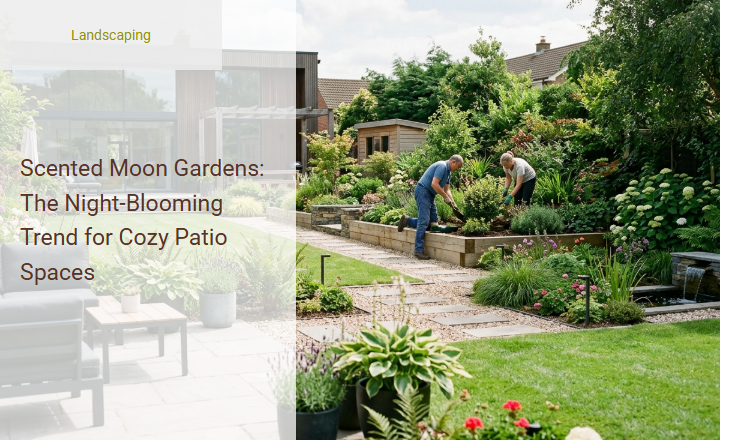
Many homeowners invest heavily in outdoor spaces they rarely enjoy, as demanding work schedules leave them with only late evening hours to spend on a dark, dormant patio. Traditional landscape design historically prioritizes daytime visual appeal, often overlooking how outdoor spaces function after dusk.
By transitioning to a "moon garden," you can unlock the untapped potential of your property, transforming limited patio square footage into a sensory evening sanctuary. However, creating a functional night garden requires a strategic approach; success hinges on the stipulation that you select specific cultivars optimized for low-light visibility and nocturnal scent release.
Incorporating specialized flora such as luminous Moonflowers (Ipomoea alba) and highly fragrant Night-Blooming Jasmine (Cestrum nocturnum) is essential to achieve this effect. In this guide, we will explore the best night-blooming species, structural design principles, and subtle lighting techniques required to curate your ultimate cozy nocturnal retreat.
Read also: Concrete vs Pavers for Patios
Introduction to Scented Moon Gardens
A moon garden is a beautifully designed outdoor space optimized for enjoyment after dusk. Unlike daytime gardens that showcase bright, saturated colors, these nighttime sanctuaries feature white and light-colored blooms, reflective foliage, and intense evening aromas. Transforming a backyard or balcony into a night garden is a rapidly growing trend for cozy patio spaces, offering homeowners a serene, sensory-rich escape to decompress after a busy day.
The Sensory Science of Night-Blooming Fragrances
Many evening plants have evolved to release their strongest scents after sunset. Without daylight to attract daytime insects, these flowers rely on heady, intoxicating aromas to guide nocturnal pollinators like moths. For homeowners relaxing on their patios, these rich scents offer incredible therapeutic benefits, helping to calm the nervous system, lower stress levels, and create a peaceful atmosphere perfect for deep relaxation.
Luminous Foliage: Plants That Glow Under the Moon
To create a truly ethereal glow on dark patios, incorporate plants with silver, variegated, or white-margined leaves that catch and bounce ambient moonlight. Excellent choices include:
- Lamb's Ear (Stachys byzantina): Soft, woolly, silver leaves that almost shimmer in the dark.
- Artemisia 'Powis Castle': Fine, feathery silver foliage that creates a misty, cloud-like appearance.
- Variegated Hostas: Broad leaves with bright white borders that stand out in shadowed corners.
- Dusty Miller: Striking, lace-like silver fronds that reflect light beautifully.
Top Night-Blooming Fragrant Flowers for Patios
Evening Primrose (Oenothera biennis)
This resilient native plant features cup-shaped yellow blossoms that unfurl rapidly at dusk, releasing a mild, sweet perfume into the evening air.
Night-Blooming Jasmine (Cestrum nocturnum)
Renowned for its powerful fragrance, this fast-growing shrub produces clusters of small, tubular, greenish-white flowers that emit an intense, exotic scent throughout the night.
Moonflower (Ipomoea alba)
A spectacular climbing vine with large, pure white, trumpet-shaped flowers. The blooms open in a matter of minutes at twilight, releasing a fresh, clean fragrance.
Designing Your Cozy Patio Layout for Evening Magic
To maximize both the visual and olfactory experience of your moon garden, place highly fragrant potted plants directly next to your primary seating areas. Position climbing night-bloomers on trellises behind seating to envelope the space in scent, and border pathways with light-colored plants to help define the edges of your patio in the dark.
[An illustrated layout of a flagstone patio featuring a central fire pit surrounded by deep comfortable chairs, bordered by raised planters with silver artemisia, blooming white petunias, and trailing moonflower vines climbing up a dark-stained privacy fence.]
Soft Lighting and Reflective Hardscaping
To preserve the natural beauty of a moon garden, avoid harsh spotlighting. Instead, choose subtle, warm-toned accent lighting like low-voltage LEDs or flickering lanterns. Complement this gentle glow with reflective hardscaping materials such as light-colored pavers, white pebbles, or pale gravel, which naturally bounce moonlight upward into the seating area.
"The goal of a night garden is not to replicate daylight, but to celebrate the mystery of the dark. Gentle, diffused light sources allow the reflective properties of silver plants to shine naturally."
Container Moon Gardening for Small Spaces
You do not need an expansive yard to enjoy the magic of a night-blooming garden. Portable containers allow balcony and small patio owners to craft beautiful, compact arrangements that can be easily moved to catch the best evening breezes.
- The Silver Cascade: Combine trailing Silver Falls Dichondra with upright White Alyssum for a beautiful spillover effect.
- The Sweet Trellis Trio: Plant a climbing Moonflower vine at the base of a small trellis, underplanted with fragrant White Stock.
- The Patio Statement: Feature a single, specimen-sized Night-Blooming Jasmine in a glazed, light-colored ceramic pot.
Welcoming the Nighttime Pollinators
In addition to creating a serene space for humans, moon gardens serve an important ecological role. While daytime pollinators rest, night-blooming flowers provide essential nourishment for nocturnal creatures like sphinx moths, hummingbird moths, and beneficial bats. Observing these quiet visitors adds a layer of magic to the patio experience, allowing you to connect with a vibrant evening ecosystem right outside your door.
Essential Care and Maintenance for Moon Gardens
Keep your silver-foli and night-blooming plants thriving with a few targeted maintenance steps designed for evening-focused species:
- Water in the Morning: Irrigate early in the day so the soil surface and foliage dry before evening dampness sets in.
- Ensure Sharp Drainage: Silver plants like Lamb's Ear and Artemisia are highly susceptible to root rot; plant them in sandy, well-draining soil.
- Deadhead Spent Blooms: Regularly remove faded white flowers to encourage continuous bud development and keep the garden looking clean.
- Prune for Airflow: Keep dense, night-blooming shrubs pruned to ensure good air circulation, which prevents fungal issues in humid evening air.
Creating Your Nighttime Sanctuary: The Final Touch
A moon garden is more than just a collection of plants; it is an invitation to slow down. Once your patio is arranged, make a commitment to leave your digital screens indoors. Step outside after dark, breathe in the deeply perfumed night air, and let the soothing silver textures guide you into a state of quiet reflection and peaceful rest.
Summary
The rising trend of scented moon gardens is transforming ordinary patios into cozy, nocturnal sanctuaries. Designed to be enjoyed after dusk, these gardens rely on a thoughtful combination of reflective plants and intoxicating evening scents. By incorporating white and silvery foliage-such as dusty miller, lamb's ear, and white roses-gardeners can maximize the reflection of natural moonlight.
The true magic, however, lies in the selection of night-blooming, fragrant flora. Plants like night-blooming jasmine, moonflowers, and evening primrose release their intense perfumes as the sun sets, creating a deeply relaxing sensory experience. Beyond their aesthetic appeal, moon gardens support nocturnal pollinators like moths and provide a peaceful retreat for homeowners to unwind. With strategic, soft lighting and comfortable seating, a patio moon garden offers a low-maintenance, enchanting escape right in your backyard.
Leave a comment