
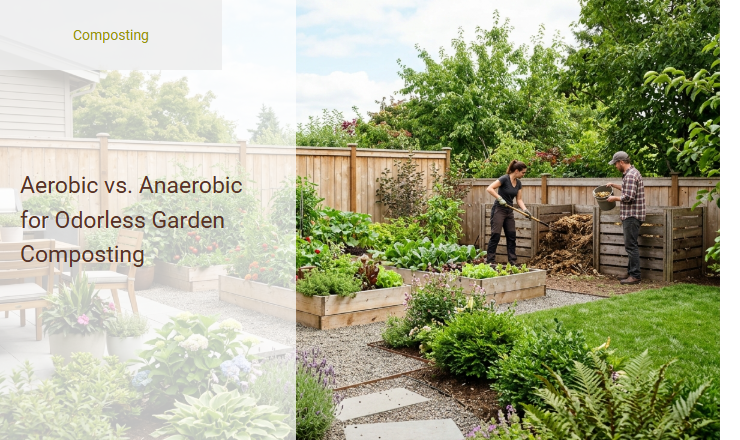
For many home gardeners, the ambition to recycle organic waste is quickly dampened by the reality of a foul, swamp-like stench emanating from the backyard. This offensive odor not only ruins the outdoor experience but can also strain neighborly relations.
Before resolving this issue, we must understand that decomposition is a biological ecosystem governed by microscopic activity. Managing this environment correctly grants you a continuous, free supply of nutrient-rich soil amendment to revitalize your garden without the sensory penalty.
To manage expectations, we must stipulate that "odorless" composting is a relative term; a healthy system should emit only a mild, earthy scent reminiscent of a forest floor, even when processing challenging inputs like nitrogen-rich coffee grounds and wet vegetable scraps.
Below, we will compare aerobic and anaerobic composting systems, analyzing how oxygen levels dictate microbial behavior, and detail how you can implement the cleanest, most efficient method for your specific space.
Introduction to Odorless Composting
Every gardener dreams of rich, dark soil, but no one wants the unpleasant stench of rotting waste in their backyard. Maintaining a clean, fresh, and inviting outdoor space is a top priority for any home horticulturist. To successfully recycle nutrients without producing off-putting scents, it is essential to understand the functional differences between aerobic composting and anaerobic composting. Both methods decompose organic matter, but they do so through entirely different biological pathways, resulting in vastly different odor profiles. Understanding how these processes work allows you to cultivate a thriving garden environment without sacrificing clean, fresh air.
The Science of Aerobic Composting
Aerobic composting is a dynamic biological process powered by oxygen-consuming life forms. When organic matter is piled with ample access to fresh air, oxygen-breathing microorganisms rapidly colonize the pile. These beneficial microbes, primarily *mesophilic bacteria* and *thermophilic bacteria*, consume nitrogen and carbon to fuel their growth and reproduction. As they digest the raw materials, they undergo *aerobic respiration*, breaking down complex structures like cellulose and lignin with incredible efficiency. This active cellular metabolism generates high temperatures within the pile, which speeds up decomposition while naturally sanitizing the compost by killing pathogens and weed seeds.
Why Aerobic Systems Remain Odorless
The primary reason aerobic systems remain fresh and earthy is the presence of oxygen. When microbes have access to oxygen, they completely oxidize organic molecules rather than letting them putrefy. This complete breakdown ensures that no offensive gases are synthesized during the decomposition process. Instead of producing foul chemicals, the metabolic activity of aerobic bacteria produces only clean, natural byproducts that dissipate harmlessly into the atmosphere.
The primary byproducts of an efficient aerobic compost pile include:
- Carbon dioxide, which is odorless and naturally cycles back into the surrounding air.
- Water vapor, which maintains the ideal moisture level of the compost before evaporating.
- Heat, which elevates the pile temperature to destroy unwanted pathogens and weed seeds.
Understanding Anaerobic Composting
Anaerobic composting takes a completely different path, occurring in environments entirely devoid of oxygen. When organic waste is compacted, submerged in water, or sealed in airtight containers, oxygen-deprived microbes take over. Instead of breathing oxygen, these specialized bacteria break down organic matter through a slow process of fermentation. Because there is no oxygen to aid in full oxidation, the decomposition process stops halfway, producing chemical intermediates such as organic acids and specific gases. Common chemical compounds generated during this oxygen-free breakdown include methane gas, represented as CH4, and hydrogen sulfide, represented as H2S, which accumulate inside the sealed environment.
The Chemistry Behind Anaerobic Odors
The unpleasant odors associated with rotting garbage are actually volatile chemical compounds released during anaerobic respiration. When bacteria break down sulfur-containing proteins in the absence of oxygen, they generate hydrogen sulfide gas, which carries the distinct smell of rotten eggs. Concurrently, other anaerobic pathways produce volatile fatty acids and ammonia, adding sharp, sour notes to the air. Because these molecules contain sulfur and nitrogen in reduced states, our noses perceive them as highly offensive warning signs of decay.
Aerobic vs. Anaerobic: Direct Odor Comparison
To help you visualize how these two methods stack up against each other, here is a direct comparison focusing on odor-related parameters and management requirements:
| Feature | Aerobic Composting | Anaerobic Composting |
|---|---|---|
| Primary Gas Production | Carbon dioxide and water vapor (odorless) | Methane and hydrogen sulfide (highly odorous) |
| Management Effort | High (requires regular turning and aeration) | Low (passive waiting or sealed fermentation) |
| Location Suitability | Open yards, gardens, and outdoor bins | Sealed indoor buckets or buried deep underground |
| Decomposition Speed | Fast (weeks to months) | Slow (several months to a year) |
Best Aerobic Practices for Zero Odor
Maintaining a completely odorless outdoor aerobic compost pile requires actively managing the conditions inside the bin. By optimizing the environment for oxygen-loving microbes, you can prevent anaerobic pockets from forming.
Follow these essential steps to keep your aerobic pile smelling fresh:
- Maintain a balanced green-to-brown ratio by mixing one part nitrogen-rich green materials (like vegetable scraps) with three parts carbon-rich brown materials (such as dry leaves or cardboard).
- Turn the compost pile at least once a week using a pitchfork or compost aerator to introduce fresh oxygen throughout the mixture.
- Monitor moisture levels closely; the pile should feel like a wrung-out sponge, as excess water will drown the microbes and block oxygen flow.
- Chop larger organic waste into smaller pieces to increase the surface area, allowing bacteria to digest the materials more rapidly.
Odorless Anaerobic Composting with Bokashi
While traditional anaerobic composting can be quite smelly, there is a specialized anaerobic method that avoids this issue entirely: Bokashi composting. Originating in Japan, this system utilizes selected anaerobic microbes inoculated onto bran to ferment organic waste-including meat and dairy-inside an airtight bucket. Because the waste is fermented by lactic acid bacteria rather than putrefied by wild pathogens, it produces a pleasant, pickled, cider-like scent instead of a rotten odor.
"Bokashi turns traditional composting rules on their head by using beneficial microbes to pickle organic matter in a sealed, completely odor-free environment, making it perfect for indoor kitchens." - Dr. Helen Carter, Soil Microbiologist
Troubleshooting Garden Compost Smells
Even the most carefully managed compost systems can occasionally experience an imbalance that leads to unpleasant odors. Recognizing the specific smell allows you to quickly pinpoint the problem and apply the correct solution to restore biological balance.
Fixing Aerobic Pile Odors
If your aerobic compost pile starts smelling like ammonia, it has too much nitrogen. Add carbon-rich brown materials like shredded paper or dry leaves and turn the pile to dry it out. If it smells like rotten eggs, the pile is too wet and lacks oxygen. Turn the pile immediately to introduce air and mix in dry browns to absorb the excess moisture.
Fixing Anaerobic System Odors
If your sealed Bokashi or anaerobic bin smells foul rather than pickled, bad bacteria have taken over. Drain any liquid buildup from the bottom spigot, add a generous extra layer of Bokashi bran to boost beneficial microbial populations, and verify that the lid is forming a perfect airtight seal.
Choosing the Right Method for Your Garden
Selecting the perfect composting system depends on your living situation, your available space, and how much time you want to spend maintaining the system. Outdoor gardeners with ample space and a desire for fast results will find that well-aerated aerobic piles are highly rewarding and keep the backyard smelling fresh. Indoor apartment dwellers or those with limited outdoor space will appreciate the convenience and zero-odor performance of a compact Bokashi fermentation system.
By tailoring your choice to your specific lifestyle, you can successfully recycle nutrients and build beautiful garden soil. We recommend starting with an aerobic compost tumbler if you have backyard space, or a Bokashi bucket if you live in an apartment, to achieve the best odorless composting experience.
| Parameter | Aerobic Process | Anaerobic Process |
|---|---|---|
| Oxygen Requirement | Continuous dissolved oxygen required (>1.5 mg/L) | Strict absence of oxygen |
| Primary Byproducts | Carbon dioxide (CO₂), water (H₂O), biological solids | Methane (CH₄), Hydrogen Sulfide (H₂S), Ammonia (NH₃), Volatile Fatty Acids (VFAs) |
| Odor Profile | Minimal; earthy, musty, non-offensive odors | Severe; pungent, rotten-egg, and decay-like odors |
| Odor Control Strategy | Prevention through sufficient aeration and mixing | Containment (airtight covers) combined with chemical scrubbing, biofiltration, or flaring |
| Reaction Kinetics | Rapid waste oxidation and stabilization | Slower degradation; highly sensitive to temperature and pH drops |
| Operational Energy | High energy consumer (blowers/surface aerators) | Net energy producer (biogas/methane capture potential) |
Leave a comment