
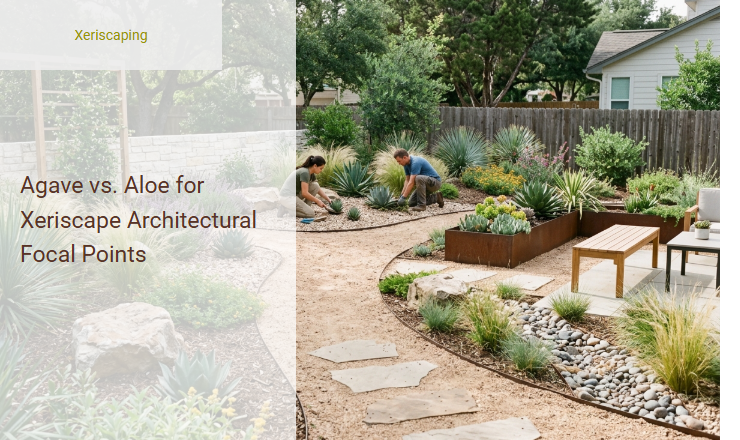
Designing a high-impact xeriscape often presents a frustrating paradox: finding a singular, commanding specimen that anchors the landscape without demanding constant maintenance. Before comparing specific plants, one must first establish the structural framework of the design, ensuring that any chosen flora aligns with the surrounding hardscape. Selecting the right sculptural succulent grants your landscape year-round architectural permanence, instantly elevating the property's aesthetic value with minimal water inputs.
Design Stipulation: Successful integration stipulates that designers evaluate local microclimates, as mature scale and frost tolerance vary significantly between these genera.
For instance, the formidable, rigid rosettes of Agave ovatifolia offer a starkly different design utility than the dynamic, candelabra-like blooms of Aloe ferox.
In this analysis, we will evaluate Agave versus Aloe across key parameters-including structural form, seasonal interest, and climate resilience-to help you select the definitive focal point for your next project.
Designing with Drought-Tolerant Drama
In the realm of modern water-wise landscaping, introducing bold succulents as anchors completely transforms the garden landscape. Instead of relying on traditional, thirsty shrubbery, xeriscape designers can curate structural focal points that command attention year-round. While both Agave and Aloe offer striking form, they project entirely different energies; Agave anchors the garden with its aggressive, static geometry, while Aloe softens the scenery with its organic, flowing lines and brilliant seasonal color. Mastering the art of architectural xeriscaping requires understanding how these two iconic genera compete for visual dominance and how to leverage their unique design profiles to craft an elegant, low-water sanctuary.
Agave: The Sharp, Geometric Monarch
Agave stands as a masterpiece of natural engineering, defined by its rigid, symmetrical rosettes and razor-sharp margins. Its silhouette is unapologetically dramatic, making it the perfect focal anchor for minimalist or mid-century modern gardens. Each leaf is a heavy, spine-tipped sword, arranged in a spiraling pattern that exhibits perfect mathematical precision. This sculptural symmetry catches the light at different angles throughout the day, casting deep, contrasting shadows that emphasize its sharp, clean lines and dominant presence.
Aloe: The Fluid, Blooming Sculptor
In contrast to the static rigidity of its desert counterparts, Aloe brings fluid grace and dynamic movement to the landscape. Its fleshy, soft leaves curve gently outward, showing off branching growth habits that range from low-slung clusters to towering, tree-like structures. Beyond its structural form, the true magic of Aloe lies in its seasonal transformations. It enlivens the garden with vibrant, nectar-rich winter blooms that rise on elegant stalks, painting the chilly landscape with fiery reds, oranges, and yellows while attracting hummingbirds to the winter garden.
Sizing Up Your Space: Scale and Proportion
When selecting the perfect specimen, scaling the plant to its environment is crucial for visual harmony. For expansive properties or broad slopes, massive rosettes like Agave americana create an unforgettable statement, though they require ample room to spread without crowding pathways. Conversely, smaller spaces or vertical designs benefit immensely from tree-like species like Aloe barberae or the medium-sized, clump-forming Aloe arborescens, which offer verticality and sculptural branch structures without overwhelming the ground plane.
A Contrast of Color and Texture
The color interplay between these two genera allows designers to paint rich canvases using foliage alone. Agaves generally display cool, serene tones, featuring chalky, glaucous blue-grays and muted greens that look highly refined against dark backgrounds. Aloes, on the other hand, boast rich, warm green palettes that can dynamically change under environmental stress. When exposed to cold temperatures or drought, many Aloes shift their color, flushing into dramatic reddish-orange and copper hues that add unexpected warmth to the garden composition.
Bloom Cycles: Once-in-a-Lifetime vs. Seasonal Spectacle
The botanical reproductive strategies of Agave and Aloe offer a fascinating study in contrasts. An Agave grows for decades, hoarding its energy for one final, monumental event before it dies: a massive, tree-like flower spike that shoots skyward in a spectacular monocarpic display of reproductive triumph. Aloes approach reproduction with sustainable regularity, producing reliable, repeating seasonal flower spikes every single year without sacrificing the parent plant, ensuring constant lifecycle renewal and seasonal interest.
Safety, Maintenance, and Longevity
Cultivating these architectural giants requires a thoughtful approach to layout and long-term care. Agave specimens boast impressive lifespans, but their formidable terminal spines require strategic placement away from walkways, patios, and children's play areas. Fortunately, offset propagation is straightforward; Aloes readily produce "pups" or offsets that can be easily separated from the parent plant to expand your landscape footprint. While Agaves eventually succumb to their single bloom, Aloes can endure for generations with minimal intervention.
Environmental Tolerance and Microclimates
Understanding the microclimate of your garden is essential for the long-term survival of your succulent focal points. Agaves generally possess superior frost tolerance, with some species surviving harsh mountain winters, whereas most Aloes are tender succulents that suffer significant damage or death when exposed to prolonged freezing temperatures, demanding winter shelter or microclimate planting.
| Genus | Frost Tolerance | Ideal Sun Exposure | Winter Care Required |
|---|---|---|---|
| Agave | High (Many species hardy to 10°F or lower) | Full, intense sun | Minimal to none |
| Aloe | Low to Moderate (Most suffer below 32°F) | Full sun to light shade | Frost cloth or overhead canopy protection |
Framing the Focal Point: Companion Plants
To maximize the dramatic impact of these succulent anchors, surround them with companion plantings that accentuate their strong geometries. Soft, delicate textures and contrasting hardscape elements prevent the design from looking sparse or overly hostile, grounding the sculptural giants in a balanced ecosystem.
- Ornamental Grasses: Fine-textured species like Blue Fescue or Mexican Feather Grass provide a soft, swaying contrast to rigid Agave leaves.
- Prostrate Groundcovers: Low-growing groundcovers like Myoporum or Sedum species blanket the soil without competing for visual dominance.
- Hardscape Contrast: Dark basalt gravel, pale river stones, or massive sandstone boulders frame the rosettes and mimic natural desert habitats.
Making the Ultimate Design Choice
Choosing between Agave and Aloe rests on the artistic identity of your garden, your regional climate, and your threshold for maintenance. If your goal is a high-contrast, modern landscape that thrives in freezing winters with minimal ongoing cleanup, the sharp geometry of Agave is unmatched. If you prefer a softer, changing canvas that welcomes winter wildlife with warm hues and demands slightly more protection from the frost, the flowing forms of Aloe are ideal. By matching the plant's inherent architecture to your garden's physical reality, you create a sustainable masterpiece.
"A successful xeriscape does not merely survive drought; it celebrates the unique structural beauty of arid plants, transforming scarce resources into a bold, living sculpture."
| Design Attribute | Agave as a Focal Point | Aloe as a Focal Point |
|---|---|---|
| Form & Geometry | Highly symmetrical, rigid, razor-sharp geometric rosettes; provides static, sculpted, bold silhouettes. | Dynamic, branching, or fluid upright rosettes; provides organic, multi-stemmed, and softer architectural lines. |
| Visual Scale | Low-slung to medium height with massive, heavy horizontal spread; acts as a powerful ground-level anchor. | Excellent verticality; ranges from clustering shrubs to towering, tree-like specimens (e.g., Aloe barberae). |
| Blooms & Lifespan | Monocarpic; blooms once in a lifetime with a massive, dramatic pole (up to 30 ft), after which the main plant dies. | Polycarpic; produces reliable, annual winter/spring displays of tubular red, orange, or yellow flower spikes. |
| Texture & Safety | Hard, fibrous, matte leaves with sharp margins and dangerous terminal spines; requires strategic, low-traffic placement. | Fleshy, plump, succulent leaves with soft, non-hazardous teeth; safer for pathways and high-traffic entryways. |
| Landscape Style | Best for minimalist, mid-century modern, xeric desert, or high-contrast contemporary architectural styles. | Best for Mediterranean, tropical-mimic, Spanish revival, or colorful water-wise residential gardens. |
Leave a comment