
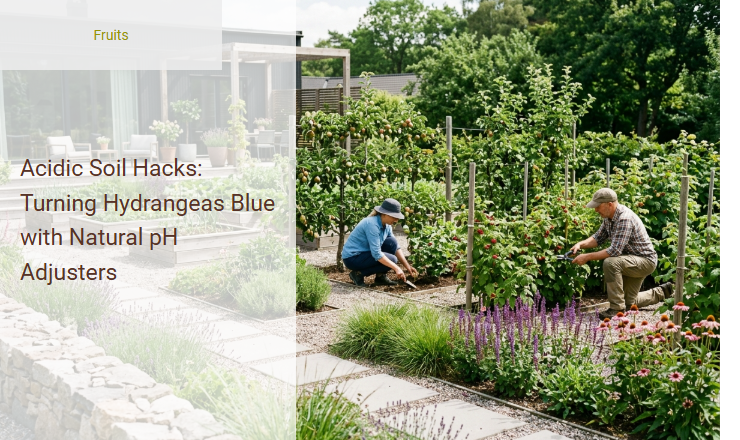
Many gardeners buy brilliant blue hydrangeas, only to watch them fade into dull pinks or muddy purples the following season. This frustrating color shift is a common disappointment for those striving for a vibrant garden palette. The secret to maintaining that rich color lies not in the plant itself, but in the underlying soil chemistry. Soil pH directly dictates aluminum availability, which is the true catalyst for that coveted blue hue.
Fortunately, you do not need harsh, expensive chemical additives to unlock these striking shades; nature provides highly effective, budget-friendly alternatives. However, as a crucial caveat, this color manipulation only works on specific varieties, such as Bigleaf (Hydrangea macrophylla) hydrangeas. Utilizing everyday organic materials like spent coffee grounds and pine needles can safely and gradually lower soil pH. Below, we will explore the best natural acidifiers, how to apply them, and how to monitor your soil for lasting success.
Read also: Blueberry vs Blackberry for Acidic Soil
The Magic of Blue Hydrangeas
Hydrangeas are nature's mood rings, morphing their floral hues based on the earth they inhabit. The alluring, deep sky-blue shade is highly coveted by gardeners worldwide. Achieving this striking color doesn't require synthetic dyes or complex chemistry; instead, you can easily guide your plants toward this vibrant shade by understanding soil pH and working alongside nature.
The Science Behind the Color Shift
The secret behind the color shift lies in the availability of aluminum in the ground. When the dirt is acidic, it unlocks *aluminum ions*, allowing the hydrangea roots to easily absorb them. This chemical absorption triggers a reaction within the petals, turning them a gorgeous blue. If the ground is alkaline, these ions remain locked away, resulting in pink or red blooms.
Testing Your Soil pH First
Before adding any acidifying agents, you must establish a baseline. Testing your soil ensures you do not over-acidify, which can stress the plant. Here is how you can easily test your dirt at home using a standard test kit or simple household ingredients:
- Collect a small sample of soil from about four inches beneath the surface near your hydrangeas.
- Remove any rocks, twigs, or debris, and place the soil in a clean container.
- Follow the instructions on your commercial pH test kit, or mix the soil with distilled water and add baking soda or vinegar to observe the reaction.
- Read the color chart or reaction level to determine if your current level is acidic (below 6.0) or alkaline (above 7.0).
Hack 1: The Coffee Ground Boost
Your morning pick-me-up can double as a slow-release tonic for your garden. Repurposing old coffee grounds is a fantastic way to introduce organic matter, gently lower pH, and feed your plants essential nitrogen. To apply, simply scatter the cool grounds around the drip line of your hydrangeas and scratch them lightly into the top layer of dirt.
Warning: Always use brewed, used coffee grounds rather than fresh ones. Fresh grounds are highly acidic and can shock the roots, whereas used grounds have a much safer, milder acidity that benefits the soil over time.
Hack 2: Acidic Mulches with Pine Needles
Mulching is a passive yet highly effective strategy for altering soil chemistry. Materials like pine needles and oak leaves act as excellent organic mulches that slowly decompose, releasing organic acids directly into the ground. Spreading a thick layer around the base of your hydrangea bushes offers several advantages:
- Gradually lowers the soil pH naturally over time.
- Retains vital moisture around the shallow root systems.
- Suppresses weed growth and protects roots from extreme temperatures.
Hack 3: The Vinegar Quick-Fix
If you are looking for a swift response, especially for container-grown plants, a highly diluted vinegar solution is a great temporary remedy. Vinegar delivers acetic acid directly to the soil, lowering the pH almost instantly. To prepare this liquid recipe, mix one tablespoon of white distilled vinegar per one gallon of water and use it to water your hydrangeas thoroughly once a month.
Hack 4: Harnessing Aluminum Sulfate
When organic methods need a boost, natural aluminum sulfate minerals can be applied to guarantee your soil has the necessary components for blue blooms. This compound provides both the sulfur to acidify the soil and the aluminum required for the color change. Dissolve the granules in water according to package directions and apply to moist soil during the growing season.
Hack 5: Citrus Peels and Acidic Compost
Integrating kitchen scraps like citrus peels and specialty acidic compost into your garden beds serves a dual purpose. As citrus peels rot, they release natural oils and acids that lower the pH, while acidic compost feeds the microbial life in the dirt. This technique promotes improved soil structure, better moisture retention, and long-term nutrient availability, keeping your plants healthy and vibrant.
Golden Rules for Acidifying Hydrangea Soil
Changing the soil chemistry is a gradual process that requires care. To protect your plants while aiming for those beautiful blue shades, keep these essential dos and don'ts in mind:
- Do:
- Test the soil before adding any acidifying agents to avoid over-treatment.
- Be patient, as natural color transitions can take a full growing season.
- Water your plants deeply before applying any strong amendments.
- Don't:
- Don't use hard tap water, as high mineral content can raise pH back up.
- Don't over-apply chemical amendments, which can kill beneficial soil microbes.
- Don't expect white hydrangeas to turn blue, as they lack the pigment genes.
Maintaining Your Vibrant Blue Blooms
Cultivating a garden full of sky-blue hydrangeas is an ongoing journey of love and patience. Because soil naturally tends to return to its original pH over time, consistency is your greatest ally. By combining organic mulches, seasonal soil tests, and occasional gentle acidifying treatments, you can preserve those captivating cobalt tones year after year. Enjoy the rewarding process of watching your garden transform into a vibrant blue oasis.
Summary
Achieving vibrant blue hydrangeas is a captivating gardening goal that relies entirely on soil chemistry. The secret to this color transformation lies in increasing soil acidity-specifically lowering the pH to 5.5 or below-which enables the plants to absorb aluminum, the essential element responsible for producing the blue pigment. Instead of relying on harsh synthetic chemicals, gardeners can utilize safe, natural pH adjusters to gently alter their soil.
Highly effective organic options include worked-in coffee grounds, pine needle mulch, organic peat moss, and diluted vinegar solutions. By applying these natural amendments, home gardeners can gradually transition their pink or purple hydrangeas into a stunning, deep blue. Best of all, these sustainable techniques not only alter bloom color but also enrich the surrounding soil structure and promote long-term plant health without harming the local ecosystem.
Leave a comment