
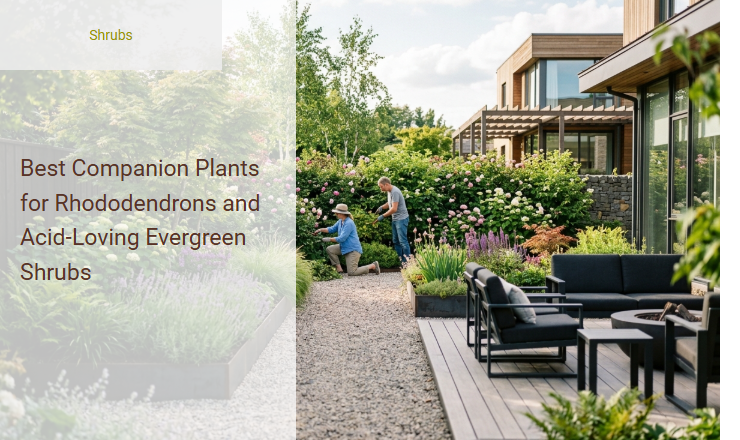
Designing a cohesive landscape around rhododendrons and acid-loving evergreens often feels like a frustrating balancing act. Many gardeners struggle to find companion plants that can tolerate acidic, shaded soils without competing with the shallow, delicate root systems of these signature shrubs.
To resolve this, we must first understand the unique soil chemistry and microclimates created beneath evergreen canopies. Selecting the right companions does more than just fill empty space; it optimizes soil moisture retention and introduces vibrant texture to suppress weeds naturally. However, success stipulates that any companion must share a strict preference for a pH of 4.5 to 6.0 while remaining non-invasive.
Time-tested varieties like shade-loving Hostas, moisture-receptive Astilbes, and delicate Bleeding Hearts (Dicentra) serve as perfect ecological partners in these conditions.
Below, we outline the premier perennial, bulb, and groundcover companions to elevate your acidic garden into a thriving, multi-layered sanctuary.
Read also: Pieris vs Loropetalum for Container Gardening
Introduction to Rhododendron Companions
Creating a breathtaking woodland garden relies on more than just selecting beautiful specimens; it requires understanding the symbiotic relationships between your plants. Rhododendrons and acid-loving evergreen shrubs are majestic centerpieces, but they truly thrive when paired with the right neighbors. Choosing compatible companion plants is crucial because these companions help manage soil moisture, offer vital root shade, and prevent nutrient competition. Most importantly, successful pairings hinge on strict compatibility with acidic soil chemistry, ensuring that all plants in the bed can absorb nutrients efficiently without stress.
Understanding Soil Chemistry and Microclimates
To cultivate a healthy garden ecosystem, companion plants must share the exact environmental preferences of your rhododendrons. These iconic shrubs demand highly specific soil conditions, thriving best in well-draining, organic-rich soil with an acidic pH range of 4.5 to 5.5. In addition to soil acidity, light exposure plays a pivotal role in their health. Rhododendrons flourish under a canopy of dappled shade or filtered sunlight, which protects their foliage from scorching while encouraging abundant blooming. Selecting companions that naturally thrive in these same conditions avoids growth stunted by alkaline soils or intense, direct sun.
Best Groundcovers for Root Protection
Rhododendrons possess shallow, delicate root systems that are highly susceptible to drying out and extreme temperature fluctuations. Utilizing low-growing groundcovers is an excellent way to establish a "living mulch" that retains soil moisture, suppresses invasive weeds, and keeps the root zone insulated and cool throughout the hot summer months.
- Bunchberry (Cornus canadensis): A spectacular native groundcover that thrives in acidic soils, offering bright white spring flowers, followed by red berries and rich autumn color.
- Wild Ginger (Asarum caudatum): Features beautiful, heart-shaped leaves that create a dense, moisture-trapping canopy right above the soil level.
- Wintergreen (Gaultheria procumbens): An evergreen creeping plant with mint-scented foliage, delicate white bell-flowers, and vibrant red berries that persist into winter.
Textural Contrast with Shade Perennials
A visually compelling garden relies on contrasting foliage textures to build depth and interest. The broad, leathery, dark green leaves of rhododendrons serve as an excellent heavy backdrop. By surrounding them with delicate, airy, or variegated shade-loving perennials, you can break up the visual weight and make the entire planting bed pop.
Delicate and Airy Ferns
Ferns offer an unmatched feathery texture that softens the bold structure of rhododendrons. Varieties such as the Painted Fern (Athyrium niponicum) with its silvery-purple fronds, and the hardy Autumn Fern (Dryopteris erythrosora), which displays coppery-red new growth, thrive beautifully in the moist, acidic conditions beneath the shrub canopy.
Bold and Variegated Hostas
Hostas provide a contrasting leaf shape and color palette that illuminates shady garden corners. Selecting shade-tolerant varieties like 'Halcyon' for its intensely blue foliage, or 'Patriot' for its striking white-margined leaves, creates a stunning visual counterpoint to the deep green tones of the evergreen shrubs.
Spring Bulbs for Early Season Harmony
Integrating early-blooming spring bulbs around the perimeter of your rhododendrons maximizes early-season color. These bulbs often awaken and bloom just before or alongside the early rhododendron flowers, creating layers of vibrant color when the rest of the garden is still waking up from winter dormancy.
- Daffodils (Narcissus): Hardy, acid-tolerant bulbs that bring bright yellows and whites to the garden, signaling the arrival of spring.
- Snowdrops (Galanthus nivalis): Dainty, early-blooming white flowers that pierce through the late winter frost to provide the very first signs of life.
- Wood Anemones (Anemone nemorosa): Star-like white or pale blue wildflowers that form delicate carpets of color underneath the emerging shrub foliage.
Extending Color into Summer and Autumn
While rhododendrons deliver spectacular spring displays, their blossoms fade as the season progresses. To avoid a monotonous green block, select companions that carry the torch of color into the warmer months. Incorporating late-blooming perennials ensures your garden remains dynamic and visually stimulating from June until the first frost.
Astilbe varieties are exceptional choices, producing feathery, plume-like flowers in shades of pink, red, and white during the mid-to-late summer months, thriving in the moist, acidic conditions. Following these, Japanese Anemones (Anemone hupehensis) step in to dominate the late summer and autumn seasons, offering elegant, wind-blown blossoms that sway gently above the fading foliage of other woodland plants.
Evergreen Companions for Year-Round Structure
When winter arrives, deciduous plants drop their leaves, leaving the garden structure exposed. Pairing your rhododendrons with other smaller, acid-loving evergreen shrubs ensures that your landscape retains its lushness and architectural form even during the coldest, grayest months of the year.
Excellent partners include Pieris japonica (Lily-of-the-Valley Shrub), which features cascading white flower buds all winter and brilliant red new growth in early spring. Additionally, incorporating slow-growing dwarf conifers, such as the Dwarf Hinoki Cypress or Dwarf Mugo Pine, provides exceptional textural variation and structural stability that anchors the entire planting bed.
Native Companions for Ecological Balance
Integrating native plants into your rhododendron beds establishes a self-sustaining micro-ecosystem. Native companions have co-evolved with local wildlife, making them exceptionally resilient to regional pests and climate variations while minimizing the need for supplemental fertilizers or chemical interventions.
Plants such as the Evergreen Huckleberry (Vaccinium ovatum) and Salal (Gaultheria shallon) are superb additions. These shrubs offer essential nectar sources for native bees and early-season pollinators, while their subsequent berries provide vital nourishment for local bird populations and small foraging mammals throughout the autumn and winter months.
Planting Techniques and Root Protection
Rhododendrons have fine, shallow root systems that grow close to the soil surface. Heavy digging or aggressive tilling around the base of established shrubs can easily sever these roots, stressing the plant and inviting disease. To safely integrate companion plants, you must use mindful planting techniques that prioritize root protection.
- Identify the Drip Line: Locate the outermost edge of the rhododendron's canopy; try to plant new additions just outside or along this perimeter where root density is slightly lower.
- Use Small Starter Plants: Purchase smaller specimens (plugs or 4-inch pots) rather than large container plants to minimize the size of the planting hole required.
- Hand-Dig with Care: Use a small hand trowel instead of a large shovel, gently feeling for thick roots as you dig. If you encounter a major rhododendron root, shift your planting hole slightly.
- Layer with Compost: Rather than digging deeply to amend soil, place your companion plant at the correct depth and gently top-dress the area with a thin layer of organic compost and leaf mulch to nourish both plants.
Designing Your Acid-Loving Garden Beds
Crafting a visually harmonious woodland garden requires a thoughtful approach to layering. By arranging your plantings carefully, you can create a dynamic landscape that offers visual interest throughout all four seasons while keeping all your acid-loving species healthy and vibrant.
Begin by placing your tallest rhododendrons at the back of the border or center of the bed to act as a structural anchor. In front of these, layer mid-height evergreen shrubs like Pieris japonica or textural ferns to bridge the gap between the canopy and the ground. Finally, carpet the soil with low-growing groundcovers and early spring bulbs to protect the shallow root zones. To ensure lasting beauty, remember to always group plants with identical pH and moisture needs, contrast bold foliage with delicate textures, and stagger bloom times across the calendar year for a continuous display of life.
Summary
Creating a vibrant, healthy garden for rhododendrons and other acid-loving evergreen shrubs relies on choosing companion plants that share their specific growing conditions. These plants must thrive in acidic, well-drained, organically rich soil and tolerate partial to dappled shade. Selecting the right companions not only ensures shared cultural success but also enhances the landscape by offering contrasting textures, varied foliage, and staggered blooming periods.
Excellent perennial choices include shade-loving hostas, ferns, and astilbes, which provide a lush, textural backdrop to the glossy leaves of evergreen shrubs. Early-blooming bulbs like daffodils and scilla offer pops of spring color, while groundcovers like bunchberry help suppress weeds and retain soil moisture. For additional structure, acid-loving companions such as camellias, Pieris japonica, and blueberries complement rhododendrons beautifully, creating a balanced, visually stunning, and low-maintenance woodland garden.
Leave a comment