
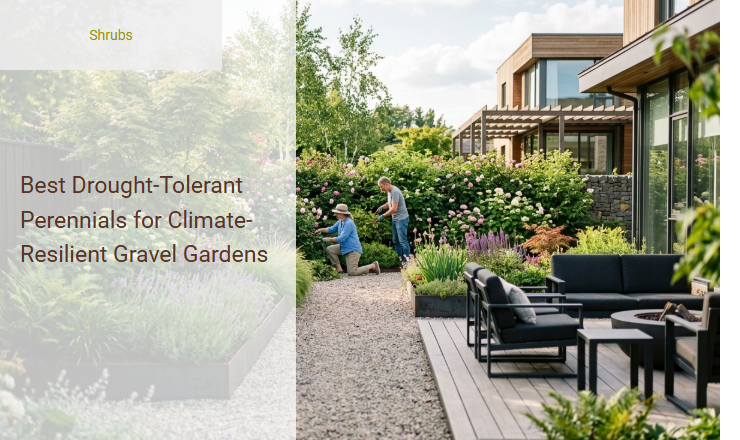
Homeowners and landscape designers increasingly face a frustrating reality: scorching summers and prolonged dry spells that leave traditional flowerbeds withered and water bills soaring. Maintaining a moisture-intensive garden is simply no longer ecologically or financially viable. Transitioning to a gravel garden offers a sophisticated solution, yet success hinges entirely on plant selection.
By curating the right flora, you unlock a vibrant, climate-resilient sanctuary that delivers year-round architectural beauty with minimal irrigation. However, a successful transition requires managing expectations: even the most drought-tolerant species require deliberate establishment periods and exceptional drainage to thrive. Proven performers like Achillea (Yarrow), robust Sedums, and aromatic Lavandula (Lavender) demonstrate that water-wise choices do not require sacrificing aesthetic impact.
Below, we outline the premier drought-tolerant perennials for gravel systems, detailing their specific soil requirements, growth habits, and design pairings to help you build a future-proof landscape.
Read also: Bluebeard vs Russian Sage for Late Summer Blooms
Introduction to Climate-Resilient Gravel Gardening
As global temperatures shift and water scarcity becomes an urgent reality, traditional landscaping methods are struggling to keep pace. Gravel gardening offers an innovative, climate-resilient solution designed to meet modern environmental challenges head-on. By replacing thirsty lawns with a gravel-mulched landscape, homeowners can dramatically reduce their water consumption while natural gravel layers assist in soil temperature regulation. This sustainable design also creates a diverse sanctuary for local wildlife, fostering biodiversity in areas that would otherwise remain ecological deserts.
The Benefits of Incorporating Drought-Tolerant Perennials
Drought-tolerant perennials are the true workhorses of the gravel garden, providing a stable foundation that benefits both the gardener and the surrounding ecosystem. These hardy plants adapt to thrive in arid conditions, reducing resource consumption while maintaining a lush aesthetic.
- Ultra-Low Maintenance: Once established, these perennials require minimal watering, no mowing, and very little pruning, saving precious time and resources.
- Enhanced Soil Health: Deep root systems break up compacted soil, improve natural aeration, and prevent erosion without the need for synthetic chemical additives.
- Pollinator Attraction: Flowering drought-tolerant species provide continuous nectar and pollen sources, drawing bees, butterflies, and other beneficial insects to the landscape.
Core Design Principles for a Successful Gravel Garden
Designing a gravel garden is an artistic endeavor that balances ecological function with visual harmony. By mimicking natural arid landscapes, you can create a garden that feels both balanced and organic.
- Strategic Plant Spacing: Give plants ample room to mature and spread naturally. This prevents overcrowding, ensures individual root systems have access to sufficient moisture, and maintains clean visual lines against the gravel canvas.
- Dynamic Layering Heights: Arrange your plants in tiered layers, positioning taller structural elements toward the back or center, and gradually stepping down to mid-height fillers and low-lying groundcovers to build depth and perspective.
- Creating Naturalistic Focal Points: Arrange larger boulders and weathered stones to mimic the look of dry riverbeds. Group plants around these features to simulate the way vegetation naturally settles in low-lying, moisture-retaining crevices in the wild.
Top Flowering Perennials for Vibrant Color
Adding bursts of color to a dry landscape is easy with the right selection of resilient flowering perennials. These outstanding performers defy harsh conditions to deliver dazzling seasonal displays.
Lavender
Bloom Time: Mid to late summer. Color: Lavender, violet, and deep purple. Lavender is highly prized for its fragrant foliage and upright flower spikes, attracting countless pollinators while thriving in dry, sun-baked gravel beds.
Yarrow
Bloom Time: Early summer to autumn. Color: Bright yellow, pastel pink, and rich terracotta. Yarrow features flat, landing-pad flower clusters that stand up beautifully against strong winds and intense heat, making it an indispensable addition for long-lasting color.
Russian Sage
Bloom Time: Late summer to mid-autumn. Color: Airy lavender-blue. This robust plant forms a misty cloud of delicate purple blossoms atop silvery-gray stems, offering striking structural contrast and exceptional heat tolerance when other plants begin to fade.
Ornamental Grasses for Texture and Movement
While flowers provide beautiful bursts of color, ornamental grasses bring essential structure, texture, and physical movement to the gravel garden, shifting gracefully with the changing seasons.
Blue Fescue
Commonly known by its botanical name Festuca glauca, this small, mound-forming grass boasts striking blue-gray blades. It adds a neat, spherical geometric contrast to coarser gravel textures and remains semi-evergreen through the colder months, providing valuable winter interest.
Feather Reed Grass
Under the scientific name Calamagrostis x acutiflora, this tall, upright grass acts as a majestic vertical element. Its feathery summer plumes ripen into golden wheat-like stalks that sway elegantly in the wind, introducing dynamic kinetic movement to the garden landscape.
Resilient Groundcovers and Succulents
Low-growing groundcovers and succulents serve as the living carpet of the gravel garden, hugging the surface to form a protective barrier against the elements.
Sedums
These incredibly versatile, fleshy-leaved perennials spread slowly to form dense, weed-suppressing mats. Their succulent leaves store water efficiently, allowing them to carpet the dry gravel surface with vibrant foliage and star-shaped flowers throughout the hottest days of summer.
Sempervivum
Popularly known as hen-and-chicks, these resilient succulents feature striking, symmetrical rosettes that squeeze neatly into tight gravel crevices and stony pockets. They prevent soil moisture evaporation by sealing the ground surface with their compact, water-storing growth habits.
Soil Preparation and Planting Step-by-Step
Success in gravel gardening starts beneath the surface. Proper preparation ensures that plants can establish deep, resilient root systems while preventing the stagnant moisture conditions that cause root rot.
First, thoroughly clear the planting area of any invasive weeds and grass. Instead of adding rich compost, mix in a generous amount of coarse grit, pea gravel, or sharp sand to a depth of several inches. This guarantees the rapid drainage that dry-climate plants require to survive cold, wet winters.
Next, dig your planting holes directly into the prepared soil layer, positioning the root crowns slightly higher than the surrounding dirt. This elevated placement prevents soil from settling around the base of the plant, protecting delicate stems from moisture buildup.
Finally, completely avoid the temptation to add rich organic fertilizers or manure. Drought-tolerant perennials are adapted to lean, nutrient-poor soils; over-fertilizing causes weak, floppy growth and shortens the overall lifespan of the plants.
Watering and Establishment Guidelines
Although mature gravel gardens require very little intervention, newly installed perennials need careful attention during their initial growing season to ensure long-term success.
During the first year, monitor soil moisture levels closely. Water the root zones directly rather than spraying the surface gravel, allowing the plants to drink deeply. This encourages the root systems to search downward for moisture, anchoring them deep within the cool soil beneath the gravel mulch.
A critical watering rule of thumb: Water deeply and infrequently rather than giving shallow daily splashes, allowing the top layers of soil to dry out completely between sessions to mimic natural dry-spell cycles.
Seasonal Maintenance Timeline
A gravel garden requires far less upkeep than a traditional yard, but a few timely tasks will keep it looking vibrant and healthy throughout the year.
| Season | Essential Maintenance Tasks |
|---|---|
| Spring | Cut back dried ornamental grasses and prune woody perennials to make way for fresh, vigorous spring growth. |
| Summer | Deadhead spent blooms to encourage secondary flowering and hand-pull any rogue weeds that pop up through the gravel. |
| Autumn | Leave dried seed heads standing to feed local birds and clear away heavy leaf accumulation to prevent rot. |
| Winter | Enjoy the sculptural forms of frosty grasses and check drainage channels to ensure winter runoff flows away smoothly. |
Creating a Sustainable Future in Your Backyard
Transitioning from a high-maintenance, water-intensive lawn to a climate-resilient gravel garden is a powerful step toward personal environmental stewardship. By embracing plants that naturally harmonize with dry conditions, you reduce municipal water reliance, rebuild local biodiversity, and cultivate a dynamic, living landscape that flourishes in the face of modern climate realities. Designing this type of garden is an investment in a beautiful, low-impact future right outside your back door.
To start designing your own sustainable outdoor oasis, explore our complete dry-gardening resource guide.
Summary
As climate change accelerates the need for water-conscious landscaping, gravel gardens have emerged as an attractive, low-maintenance, and highly sustainable solution. This guide highlights the best drought-tolerant perennials suited for these resilient environments. It explores how incorporating tough, deep-rooting plants like Sedum (stonecrop), Lavandula (lavender), Achillea (yarrow), and various ornamental grasses can create a vibrant, year-round tapestry without the need for constant watering or synthetic fertilizers.
In these setups, gravel acts as a natural mulch, conserving soil moisture and suppressing weeds, while the selected perennials thrive in lean, well-draining soils. By transitioning to a gravel garden filled with these climate-resilient species, gardeners can significantly reduce their water usage, support local pollinators, and design a stunning, resilient landscape that easily withstands prolonged dry spells and rising temperatures.
Leave a comment