
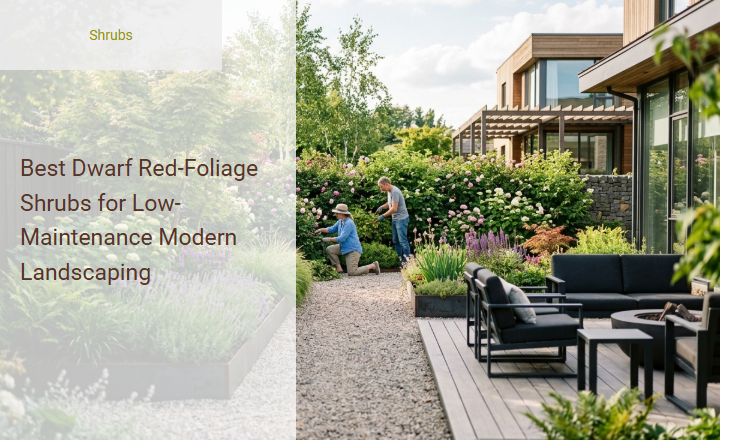
Achieving a striking, modern outdoor aesthetic often feels like a constant battle against high-maintenance gardening. Many homeowners crave bold, architectural color but dread the endless pruning required to keep vigorous plants in check. In minimalist landscape design, where every element must justify its footprint, establishing structural balance is the essential first step before color can even be introduced.
Integrating dwarf red-foliage shrubs solves this tension, granting your garden dramatic, season-long contrast and sophisticated curb appeal without demanding constant labor. However, a critical horticultural stipulation applies: to unlock those deep, saturated crimson tones, these compact specimens require precise sunlight exposure and excellent soil drainage, as poor conditions will cause their vibrant pigments to fade.
Proven cultivars like 'Little Devil' Ninebark (Physocarpus opulifolius) demonstrate that restricted growth can still deliver maximum visual impact. Ahead, we will analyze the premier low-maintenance dwarf red shrubs, detailing their growth habits, soil preferences, and placement strategies to elevate your modern landscape.
Read also: Heavenly Bamboo vs Burning Bush for Red Foliage
Embracing Modern Minimalism with Dwarf Red Shrubs
Modern landscape design relies on clean lines, architectural simplicity, and striking focal points. Integrating dwarf red-foliage shrubs into these outdoor spaces offers an effortless way to achieve high-impact visual contrast without cluttering the garden. These compact plants provide a structured, architectural form that anchors minimalist layouts while delivering a rich, saturated color break against neutral backdrops like concrete, gravel, or dark stained wood.
The Benefits of Low-Maintenance Crimson Foliage
Choosing smaller cultivars with deep crimson leaves streamlines garden maintenance while keeping aesthetic appeal high. These plants are selected for their slow, controlled growth rates and tough natures, making them ideal for busy homeowners.
- Minimal pruning required to maintain their naturally compact shapes.
- Excellent drought tolerance once their root systems are fully established.
- Year-round visual interest through changing foliage tones, seasonal flowers, or textured bark.
Berberis thunbergii 'Admiration' (Dwarf Crimson Barberry)
For an eye-catching border, Berberis thunbergii 'Admiration' is an exceptional choice. This dwarf deciduous shrub grows into a tight, mound-like habit, reaching only about 12 to 18 inches in height and width. Its standout feature is its vibrant orange-red foliage, with each leaf delicately outlined by a thin, bright yellow margin. This contrast ensures the plant commands attention, making it perfect for low borders, rock gardens, or path edgings where its detailed colors can be appreciated up close.
Physocarpus opulifolius 'Little Devil' (Dwarf Ninebark)
Gardeners looking for upright structure will appreciate Physocarpus opulifolius 'Little Devil'. This compact selection of the native ninebark features deeply lobed, dark burgundy-red leaves on upright, peeling stems. It maintains a very neat, rounded profile of about three to four feet tall without requiring frequent shaping. Its extreme cold hardiness, resistance to pests, and adaptability to various soil types make it an incredibly low-maintenance option for modern beds.
Loropetalum chinense 'Crimson Fire' (Dwarf Fringe Flower)
Ideally suited for milder climates, Loropetalum chinense 'Crimson Fire' provides rich, evergreen color that persists through all seasons. This dwarf fringe flower showcases intense ruby-red foliage that holds its deep shade even during hot summer months. In spring, the plant erupts in a vibrant display of neon pink, tassel-like flowers, creating a breathtaking contrast against the dark leaves. Its spreading, compact habit makes it a reliable ground cover or foundation accent in warm-climate landscapes.
Weigela florida 'Spilled Wine' (Dwarf Weigela)
To introduce soft textures and rich colors, Weigela florida 'Spilled Wine' is highly recommended. This low-growing, spreading shrub features wavy, dark purple-red leaves that form a dense, horizontal mat of foliage. During late spring, it is smothered in bright, funnel-shaped magenta flowers that attract pollinators. Its wider, spreading growth habit makes it an exceptional choice for mass plantings, erosion control on gentle slopes, or as a colorful understory element beneath taller trees.
Designing with High-Contrast Foliage
To maximize the visual impact of dwarf red shrubs, modern designers rely on juxtaposition. Planting these dark, crimson varieties alongside bright green ornamental grasses creates a dynamic play of both color and texture. The fine, whispering blades of grasses like Hakonechloa or dwarf fountain grass soften the solid structure of the shrubs. Additionally, placing these deep-hued plants against light-colored concrete hardscaping or minimalist stone paths creates a clean, architectural look that highlights the rich red pigments.
Optimal Sun and Soil Conditions
Achieving and maintaining the most intense red and purple coloration requires proper environmental conditions. Most dwarf red cultivars need full sun exposure-typically at least six hours of direct sunlight daily-to prevent their leaves from fading to a dull green. Soil conditions are equally critical; these plants thrive in well-draining soil, as waterlogged roots can lead to root rot and poor growth. Incorporating organic compost during planting can improve drainage while providing essential nutrients.
Simple Care and Pruning Tips
Maintaining these compact shrubs requires very little effort throughout the year. Following a basic care routine ensures they remain healthy and vibrant.
- Water deeply but infrequently once established, allowing the top few inches of soil to dry out between waterings.
- Apply a thin layer of organic mulch around the base of the plants to conserve moisture and suppress weeds.
- Prune lightly immediately after spring flowering to maintain shape, remove dead wood, and encourage fresh, brightly colored growth.
Elevate Your Outdoor Space Effortlessly
Enhancing a modern garden does not require extensive time or high-maintenance landscaping choices. By selecting just one or two of these stunning dwarf red-foliage shrubs, you can introduce structure, rich color, and effortless style to your yard. These durable, compact plants make it simple to design a sophisticated outdoor sanctuary that thrives year after year with minimal intervention.
Summary
Modern landscaping increasingly favors plants that offer striking visual appeal without demanding constant upkeep. Dwarf red-foliage shrubs represent the ideal solution for contemporary outdoor spaces, delivering vibrant, year-round color and structural interest in a highly compact form. These versatile plants-including popular choices like dwarf barberries, compact ninebarks, and select red-leafed weigelas-introduce rich crimson, burgundy, and plum hues that contrast beautifully with neutral hardscapes and traditional green backdrops. Because of their naturally small stature, these shrubs require minimal pruning and easily fit into tight garden beds, borders, or containers. Furthermore, many of these modern cultivars are exceptionally hardy, drought-tolerant, and resistant to common pests. By strategically incorporating these low-maintenance, colorful specimens, homeowners can easily achieve a sophisticated, highly styled aesthetic that enhances curb appeal and remains effortlessly beautiful throughout the seasons.
Leave a comment