
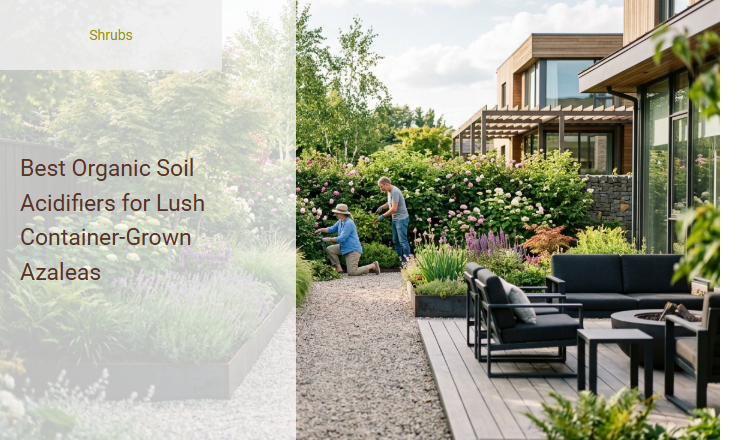
Achieving the Perfect Acidic Balance for Potted Azaleas
Growing azaleas in containers is highly rewarding, yet many gardeners struggle with pale, yellowing leaves and sparse blooms. This common frustration often stems from the restricted root space of containers, where potting soil chemistry quickly drifts away from the acidic environment these ericaceous plants crave. Fortunately, mastering this delicate soil balance grants you the key to unlocking exceptionally vibrant, show-stopping floral displays every spring.
However, achieving this requires a cautious approach; we must stipulate that a baseline soil pH test is essential before applying any amendments to prevent root damage. Utilizing proven organic options-such as elemental sulfur or composted pine needles-serves as concrete proof that gentle, slow-release acidification is safest for confined root systems.
In this guide, we will evaluate the best organic soil acidifiers tailored specifically for container-grown azaleas and outline a step-by-step application strategy to ensure lasting plant health.
Read also: Fringe Flower vs Azalea for Southern Gardens
Introduction to Acid-Loving Container Azaleas
Growing azaleas in pots brings vibrant, show-stopping blooms to patios and balconies, but success hinges entirely on the chemistry of the potting medium. Azaleas are classic ericaceous plants, meaning they thrive exclusively in acidic conditions. In a confined container environment, maintaining this low pH is uniquely challenging because routine watering with tap water-which is often alkaline-rapidly neutralizes soil acidity. To keep these plants healthy, gardeners must rely on organic soil acidifiers to gently and safely lower the pH without damaging delicate root systems.
The Ideal Soil pH Range for Azaleas
To unlock vital nutrients, the growing medium for potted azaleas must remain within a strict acidic spectrum. When the pH climbs too high, the plant's root system becomes chemically locked out from absorbing essential minerals.
- The optimal target pH range for container azaleas is 4.5 to 6.0.
- When soil is too alkaline, azaleas display clear signs of nutrient deficiency, most notably iron chlorosis, where leaves turn pale yellow while the veins remain dark green.
- Stunted growth and premature bud drop are also common indicators of an incorrect pH level.
Elemental Sulfur: The Powerful Organic Acidifier
For a highly effective, long-term solution, gardeners turn to elemental sulfur. This naturally occurring mineral acts as a slow-release agent. Soil-dwelling bacteria, specifically Thiobacillus, gradually ingest the sulfur and convert it into sulfuric acid, lowering the pH over several weeks. Because it relies on biological activity, it is safest to apply during warm months when bacteria are active.
For container-grown azaleas, the recommended application rate is typically 1 to 2 tablespoons of elemental sulfur thoroughly mixed into the potting soil of a standard 12-inch pot before planting.
Sphagnum Peat Moss: Structure and Acidity
Building the perfect foundation starts with the physical structure of the potting mix. Incorporating sphagnum peat moss is an excellent way to create an inherently acidic environment right from the start. This organic material naturally possesses a low pH, typically ranging between 3.5 and 4.5, which instantly steers the container mix toward the ideal range for azaleas.
Beyond chemical acidity, sphagnum peat moss provides invaluable physical benefits. It acts like a sponge, significantly improving water retention while maintaining crucial air pockets around the roots, ensuring the soil remains moist but never waterlogged.
Coffee Grounds: Kitchen Waste for Acidic Soil
Many home gardeners look to the kitchen for natural ways to nourish their plants. Leftover coffee grounds are frequently cited as a quick fix for acid-loving species, but their application requires careful understanding to avoid harming container plants.
"Fresh coffee grounds are highly acidic but can be toxic to plant roots due to high caffeine content; used grounds are nearly neutral but still offer valuable organic matter and trace nutrients when applied sparingly."
To use them safely in containers, work a thin layer of composted, used coffee grounds into the top inch of the soil, ensuring they do not form a thick, water-impermeable crust over the root zone.
Pine Needle Mulch: Natural Slow-Release Acidity
Mulching is a vital step in container gardening, especially for shallow-rooted plants like azaleas. Utilizing pine needles, also known as pine straw, serves as an exceptional organic top dressing that supports an acidic environment over time.
- As pine needles decompose, they release mild organic acids that assist in maintaining a low pH near the soil surface.
- The loose structure of pine needle mulch provides excellent insulation, protecting the delicate root system from extreme temperature fluctuations.
- This natural barrier greatly reduces moisture evaporation, keeping the potting soil consistently damp.
Liquid Organic Acidifiers for Fast Results
When an azalea shows immediate distress, such as yellowing leaves from a sudden pH spike, slow-release options work too slowly. In these critical moments, liquid organic acidifiers provide a rapid remedy to restore proper soil chemistry. Diluted white vinegar or commercial liquid feeds formulated with citric acid offer an immediate, temporary reduction in pH.
To apply, mix one tablespoon of vinegar per gallon of water and drench the soil thoroughly. Use this method sparingly as a corrective measure rather than a primary maintenance routine to prevent root shock.
Note: Always monitor soil moisture and health closely when using fast-acting liquid applications.
How to Apply Organic Acidifiers in Containers
Azaleas possess incredibly delicate, shallow root systems that spread horizontally just below the soil surface. Careless application of soil amendments can easily bruise or sever these roots, leading to plant decline. Follow this step-by-step guide to apply organic acidifiers safely:
- Clear the surface: Gently brush aside any existing mulch or loose debris from the top of the potting soil.
- Distribute evenly: Scatter solid acidifiers, like elemental sulfur, evenly across the soil surface, keeping the material a few inches away from the main woody stem.
- Incorporate lightly: Use a small hand tool or your fingers to scratch the acidifier into the top half-inch of soil, taking extreme care not to dig deep into the root zone.
- Water thoroughly: Irrigate the container with filtered water or rainwater to help activate the organic compounds and wash them down into the root system.
Testing and Monitoring Container Soil pH
Because containers hold a limited volume of soil, the chemical balance can shift rapidly. Routine testing is the only definitive way to ensure your azalea remains in its comfort zone. Relying solely on visual cues means you are reacting to damage that has already occurred, whereas proactive monitoring prevents nutrient deficiencies before they start.
For home gardeners, digital pH meters with metal probes offer quick and convenient readings directly from the root zone. Alternatively, liquid testing kits or high-quality pH test strips provide highly accurate measurements when mixed with a slurry of distilled water and container soil.
Long-Term Care for Lush, Vibrant Azaleas
Cultivating spectacular, healthy azaleas in pots is a rewarding journey that requires consistent, mindful attention to soil chemistry. By combining slow-release organic acidifiers, nutrient-rich mulches, and careful watering practices, you create a stable, acidic environment where these beautiful shrubs can flourish year after year.
Embracing a holistic approach to container care ensures your plants remain strong and resilient. With the right soil balance, your azaleas will reward you with an abundance of lush foliage and breathtaking, colorful blooms every spring.
Summary
Azaleas thrive in acidic soil, which can be challenging to maintain in container gardening where nutrients leach quickly. This article explores the best organic soil acidifiers to keep your container-grown azaleas lush, healthy, and vibrant. It highlights top natural solutions, such as elemental sulfur, which provides long-lasting acidity, and organic matter like pine needles and peat moss that double as excellent potting mediums. Additionally, mild household options like diluted coffee grounds are discussed for quick, gentle pH adjustments. By understanding how to safely lower soil pH to the optimal 4.5 to 6.0 range, gardeners can prevent nutrient deficiencies like iron chlorosis and encourage abundant, colorful blooms. Ultimately, selecting the right organic acidifier ensures your potted azaleas receive the precise environment they need to flourish season after season.
Leave a comment