
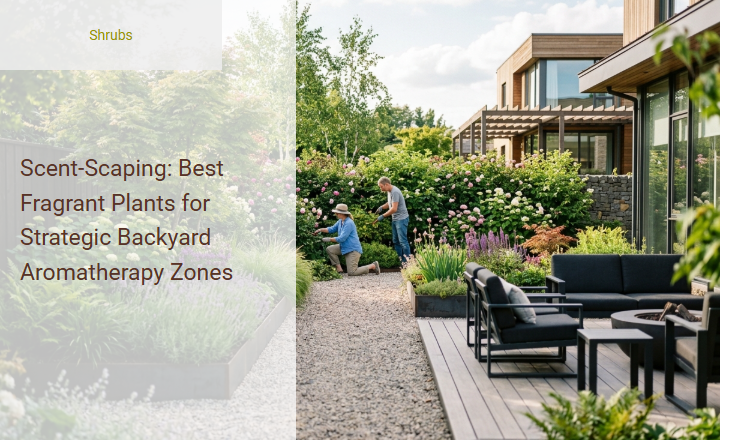
Many homeowners invest heavily in backyard design, yet find their outdoor spaces still fail to provide a genuine sense of tranquility after a demanding day. While visual aesthetics and hardscaping dominate traditional design conversations, the powerful olfactory dimension of landscaping is frequently overlooked.
Strategic "scent-scaping" grants you the unique ability to actively modulate your physiological mood, transforming standard gardens into highly functional therapeutic sanctuaries. However, successful implementation requires a disciplined approach; effective aromatherapy zones depend on understanding microclimates and plant chemistry rather than simply scattering random blooms. For instance, positioning calming English lavender near quiet seating areas while placing invigorating star jasmine along active walkways ensures each botanical serves a precise cognitive purpose.
Below, we analyze the premier fragrant species for strategic zoning and outline how to masterfully map your backyard's olfactory layout for maximum restorative benefit.
Read also: Sweetshrub vs Mock Orange for Evening Fragrance
Introduction to Backyard Scent-Scaping
Imagine stepping into your outdoor space and being instantly enveloped by a wave of soothing lavender, invigorating citrus, or sweet jasmine. This is the art and science of scent-scaping, a thoughtful design approach that goes beyond visual aesthetics to engage your sense of smell. By strategically placing fragrant plants throughout your garden, you can transform an ordinary backyard into a sensory-rich, therapeutic retreat. Designing with scent-scaping in mind allows you to curate emotional experiences, guide movement, and create intimate, memorable moments in nature right outside your back door.
The Science and Benefits of Garden Aromatherapy
Our olfactory system is directly linked to the limbic system, the brain's emotional center. This biological connection explains why certain plant aromas have an immediate, powerful impact on our mood and physiology. Inhaling natural plant compounds can trigger the release of neurotransmitters, helping to achieve a state of profound relaxation and stress reduction.
For instance, linalool, a natural compound found in lavender, has been shown to lower heart rates and ease chronic anxiety. Conversely, citrusy notes can elevate energy levels, fostering a sense of mental clarity and renewed vitality. Incorporating these natural elements into your living space provides an ongoing, passive form of therapy that enhances your overall physical and emotional well-being.
Mapping Your Backyard Scent Zones
Before purchasing your plants, it is crucial to understand the unique microclimate and flow of your yard. Mapping your scent zones ensures that delicate aromas are not swept away by harsh winds and that powerful scents do not overwhelm enclosed areas.
- Analyze Wind Patterns: Observe the prevailing wind directions in your yard. Place highly fragrant plants upwind of seating areas so the breeze naturally carries the aroma to you.
- Track Foot Traffic: Identify the paths people naturally walk. Place low-growing, touch-sensitive herbs along these paths where they can be brushed against to release their oils.
- Evaluate Sun Exposure: Many aromatic plants rely on heat to release their essential oils. Note which areas receive full afternoon sun, as these will be ideal spots for heat-loving Mediterranean herbs.
- Identify Seating and Activity Areas: Mark quiet zones, dining spaces, and play areas on a simple sketch of your yard to assign specific scent profiles to each area.
The Entrance Zone: Welcoming Aromas for Walkways
The entryway to your home sets the tone for your entire living space. By bordering your paths and walkways with highly-fragrant, resilient plants, you create an olfactory welcome mat that invites guests to leave the stress of the outside world behind. As people walk past or lightly step on these plants, they release a fresh burst of natural fragrance.
- Sweet Alyssum: A low-growing annual that produces a carpet of tiny flowers emitting a delicate, honey-like scent throughout the spring and summer.
- Creeping Thyme: An excellent groundcover for path borders that releases a warm, earthy, herbal aroma when gently crushed underfoot.
- Garden Pinks (Dianthus): Compact perennials that offer a sweet, spicy scent reminiscent of cloves, perfect for lining front walkways.
The Relaxation Zone: Calming Scents for Seating Areas
Your patio, deck, or secluded reading nook should serve as a personal sanctuary. Surrounding these quiet spaces with deeply soothing, tranquil botanical scents can promote deep muscle relaxation, slower breathing, and peace of mind. Placing these plants close to seating allows you to enjoy their subtle, calming nuances without distraction.

The Energizing Zone: Uplifting Scents for Work and Play
While some areas of the yard call for rest, others are meant for productivity, play, and physical activity. Planting stimulating herbs near outdoor workstations, home offices, or children's playsets can sharpen mental focus, improve memory retention, and boost physical energy. Scents like rosemary, mint, and lemon verbena act as natural cognitive enhancers.
"Scientific research indicates that inhaling the volatile organic compounds of plants like rosemary can significantly improve cognitive performance, speed, and accuracy, while citrus aromas help lower perceived fatigue." - Journal of Environmental Horticulture
The Dining Zone: Complementary Herbs for Outdoor Eating
When dining outdoors, highly floral or heavy perfumes can clash with the aroma of your meal. Instead, design a culinary scent zone around your outdoor kitchen or dining table using subtle, appetizing herbs. These plants release savory, familiar scents that gently complement your dishes rather than overpowering them, stimulating the appetite and enriching the dining experience.
| Heavy Ornamentals (Avoid Near Dining) | Subtle Culinary Herbs (Ideal Near Dining) |
|---|---|
| Gardenia (intense, heavy floral) | Sweet Basil (sweet, peppery, warm) |
| Night-Blooming Jasmine (overpowering musk) | English Thyme (earthy, subtle citrus) |
| Honeysuckle (sweet, pervasive nectar) | Garden Sage (savory, warm woody notes) |
The Twilight Zone: Moonlit Fragrances for Evening Gatherings
As daylight fades and the stars emerge, a whole new olfactory world wakes up. Some of the most intensely fragrant plants hold back their perfume until sunset, using the cooler night air to project their scent to nocturnal pollinators. Creating a twilight zone near fire pits or evening seating areas ensures your backyard remains a sensory sanctuary long after dark.
To experience this late-night magic, plant Night-Blooming Jasmine (Jasminum nocturnum), which releases an incredibly sweet, rich perfume that can carry across an entire yard. Pair it with Evening Primrose (Oenothera biennis), whose yellow blossoms open at dusk to emit a soft, lemon-like scent, and Flowering Tobacco (Nicotiana alata), which fills the cool night air with a deep, sweet, and complex aroma.
Maximizing Aroma: Soil, Sun, and Care Tips
To get the strongest aroma from your plants, you need to cultivate conditions that encourage the production of essential oils. Generally, most aromatic plants prefer well-draining soil and plenty of direct sunlight, as the heat triggers oil accumulation on the leaves and flowers. Strategic pruning also stimulates fresh, oil-rich growth, ensuring your scent-scape remains vibrant throughout the growing season.
Designing Your Custom Living Scent-Scape
Creating a personalized sensory haven in your backyard is a deeply rewarding journey. By starting small-perhaps with a few containers of fragrant herbs on your patio-you can gradually blend visual beauty with olfactory design to build a unique landscape. As the seasons shift, your custom scent-scape will evolve, providing comfort, energy, and joy all year round.
Ready to map out your therapeutic retreat? Use our Interactive Garden Planning Tool to design your custom layout and select the perfect fragrant plants for your space.
Summary
Scent-scaping is the art of using fragrant plants to design distinct sensory zones in your backyard, enhancing both your outdoor environment and your mood through strategic aromatherapy. By thoughtfully placing specific botanicals, homeowners can curate tailored emotional experiences throughout their gardens.
For instance, high-traffic social areas like patios and dining decks benefit from invigorating herbs like rosemary, basil, and mint, which stimulate energy and conversation. Conversely, quiet retreat zones near bedrooms or reading nooks are best suited for calming scents like lavender, jasmine, and chamomile to promote relaxation and stress relief. Additionally, planting textured groundcovers like creeping thyme along pathways releases bursts of fragrance when stepped on.
Ultimately, scent-scaping transforms a standard backyard into a functional, multi-sensory sanctuary, proving that a garden's aroma is just as vital to landscape design as its visual appeal.
Leave a comment