
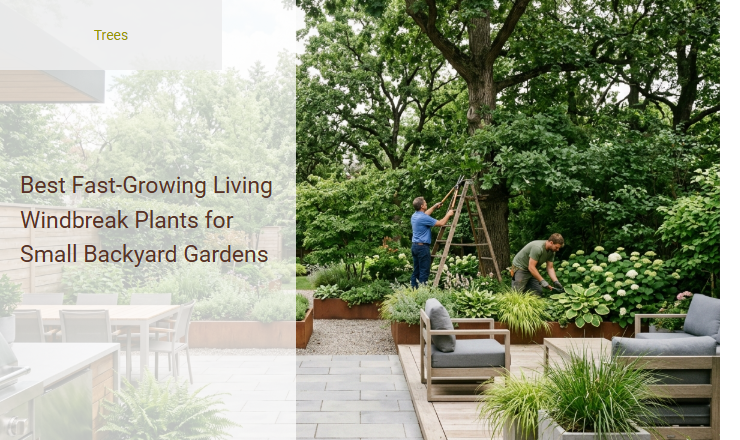
Managing a blustery, wind-swept backyard can frustrate even the most dedicated gardener, often leaving delicate plantings battered and outdoor seating areas uncomfortable. While traditional wooden fencing offers an immediate barrier, hard structures can easily make a compact yard feel claustrophobic while blocking vital sunlight.
Implementing a living windbreak, however, offers a dynamic solution that filters harsh gusts rather than deflecting them, while simultaneously introducing vibrant biodiversity and privacy to your property. To succeed in limited acreage, gardeners must select species that offer rapid establishment without eventually overwhelming the footprint-meaning strategic pruning and precise variety selection remain essential.
Reliable specimens like the narrow 'Emerald Green' Arborvitae or non-invasive clumping bamboos prove that high-performance shelterbelts can thrive in tight spaces. Below, we analyze the premier fast-growing botanical barriers tailored for small-scale landscapes, detailing their growth habits, soil requirements, and long-term maintenance.
Read also: Pine vs Spruce for Windbreak Protection
The Need for Small-Scale Windbreaks
A sudden gust of wind can quickly turn a peaceful backyard oasis into a challenging environment for delicate flora. In compact outdoor spaces, strong drafts act as invisible bullies, tearing tender leaves, drying out fertile soil, and knocking over container plants. Standard physical barriers often fall short, but a dynamic, nature-based solution offers a beautiful way forward.
The Impact of Wind on Backyard Microclimates
By choosing a living green barrier, you establish a resilient shield that breathes with the landscape. Living windbreaks filter and diffuse harsh gusts rather than blocking them outright, which prevents the turbulent downdrafts associated with solid structures. This natural filtration preserves precious soil moisture, keeps humidity stable, and creates a thriving, sheltered microclimate where your favorite plants can flourish without stress.
Living Greenery vs. Hardscaping Fences
While a standard wooden or vinyl fence might offer an instant boundary, it often lacks the soul and ecological utility needed in a modern backyard. Hardscaping structures reflect heat, worsen wind turbulence at their edges, and require constant maintenance. In contrast, choosing fast-growing botanical barriers introduces dynamic textures and evolving colors that soften hard property lines.
The Ecological Advantages of Living Barriers
Opting for a green windbreak over a synthetic fence brings a wealth of environmental benefits directly to your doorstep. Green walls serve as active, multi-layered contributors to the local ecosystem rather than static barriers.
- Living foliage provides nesting sites and cover for local songbirds and beneficial insects.
- Active plant growth absorbs carbon dioxide while releasing fresh oxygen into your immediate environment.
- Green walls cool the surrounding air through natural transpiration, reducing summer heat build-up.
- Healthy roots anchor the soil, preventing wind-induced erosion and supporting underground organisms.
Crucial Criteria for Small Space Selection
Designing a windbreak for a limited footprint requires careful botanical vetting. Unlike expansive rural windbreaks that use multiple rows of massive trees, a residential urban barrier must perform efficiently within a narrow strip of land. Choosing the wrong species can result in crowded pathways, cracked pavement, or sunlight deprivation for the rest of your garden.
Key Factors for Compact Landscapes
To ensure your green shield remains a functional asset rather than a maintenance headache, prioritize these three core botanical characteristics:
- Mature Width: Select upright, columnar, or fastigiate varieties that naturally grow tall and slender to save precious ground space.
- Growth Rate: Look for rapid developers that establish a protective canopy quickly, but ensure they respond well to pruning so they can be easily maintained.
- Root Behavior: Avoid aggressive, invasive root systems that damage foundations, utilities, or compete heavily with nearby flower beds.
Thuja 'Emerald Green' – The Classic Compact Evergreen
For homeowners seeking reliable, year-round protection, Thuja occidentalis 'Emerald Green' stands out as an unmatched candidate. This classic arborvitae features a naturally symmetrical, pyramidal shape that fits perfectly into tight side yards and boundary lines. Its dense, glossy emerald foliage remains vibrant throughout the coldest winters, ensuring your garden is never left vulnerable to harsh seasonal winds.
Because it reaches a modest mature width of just three to four feet, this plant provides robust structural support without encroaching on neighboring spaces. It grows at a steady, manageable pace, forming a solid green wall that reduces noise pollution while filtering incoming wind gusts into gentle breezes.

Privet Hedges – Rapid Growth and High Density
When speed is your absolute priority, fast-growing Privet (Ligustrum) cultivars offer an exceptionally quick path to a dense, wind-deflecting barrier. These hardy shrubs produce a profusion of small, tightly packed leaves on stiff, upright branches that excel at scattering wind energy. They are remarkably resilient, adapting easily to various soil types and urban environments.
The standout feature of Privet is its incredible tolerance for heavy shearing. You can easily train a Privet hedge into a formal, narrow green wall, keeping its footprint remarkably slim while encouraging even denser leaf production. Regular trimming during the active growing season transforms this plant into an impenetrable living barrier that shrugs off strong drafts with ease.
Clumping Bamboo – Swift, Modern, and Non-Invasive
For a sleek, contemporary aesthetic that delivers rapid results, clumping bamboo varieties such as Fargesia are an outstanding choice. Unlike running bamboo, which can aggressively spread and disrupt nearby plants, clumping species grow from a compact, non-invasive root system that stays put. This characteristic makes them incredibly safe and practical for small suburban plots.
The flexible, hollow canes of clumping bamboo bend gracefully under pressure, absorbing and neutralizing intense wind currents. As the wind moves through the delicate, rustling leaves, it creates a soothing white noise that enhances backyard tranquility. With its narrow profile and rapid vertical development, this modern botanical shield delivers almost instant wind protection and privacy without sacrificing valuable floor space.
Lilac Bushes – Fragrant and Functional Wind Barriers
If you prefer a living windbreak that delivers seasonal color and sensory delight alongside functional protection, look no further than classic Syringa cultivars. Lilac bushes feature thick, multi-stemmed growth patterns that naturally disrupt wind flow, acting as excellent buffers for sensitive backyard microclimates. Their sturdy woody frames remain resilient even when subjected to persistent drafts.
During the spring, these hardy shrubs erupt in spectacular, highly fragrant blooms that attract pollinators and elevate your landscape aesthetic. Even after the spring flowers fade, the lush, heart-shaped green leaves provide a dense summer screen. Using lilacs as a windbreak lets you combine sensory beauty with robust physical defense, creating a multi-dimensional garden boundary.
Strategic Planting and Spacing in Small Gardens
To achieve optimal wind mitigation in a tight backyard, plants must be positioned with deliberate geometric precision. Simply placing a row of shrubs along a property line can lead to overcrowding, poor air circulation, and light competition. Thoughtful arrangement maximizes the wind-deflection capabilities of each plant while preserving valuable garden real estate.
Maximizing Deflection in Tight Footprints
Implementing specific structural configurations helps distribute wind force efficiently while keeping your living barrier compact and healthy.
- Staggered Zig-Zag Alignment
- Instead of a single straight line, plant your specimens in a tight, alternating zig-zag pattern. This configuration closes gaps where wind can tunnel, creating a highly effective barrier using fewer plants.
- Strict Species-Specific Spacing
- Always calculate the spacing based on the mature width of your chosen plant rather than its size at purchase. Keeping plants close enough to touch at maturity ensures a solid wall, but leaving enough breathing room prevents resource competition.
- Underplanting with Low Shrubbery
- Fill any open gaps near the ground by placing smaller, wind-tolerant perennials or groundcovers at the base of your taller windbreak. This creates a multi-tiered slope that forces oncoming wind upward and over your garden.
Essential Maintenance for Fast-Growing Barriers
Because fast-growing plants put on significant size each season, regular maintenance is vital to keep them from overwhelming your outdoor space. A structured routine ensures your living green barrier remains dense, healthy, and perfectly proportioned for your yard.
- Targeted Seasonal Pruning: Shear your windbreak in late winter or early spring to encourage dense lateral branching and manage overall height.
- Deep Irrigation: Provide deep, infrequent watering at the root zone during dry spells to encourage deep root systems that resist wind uprooting.
- Balanced Nutrition: Apply a slow-release, balanced fertilizer in early spring to fuel healthy growth without causing weak, spindly shoots.
- Foliage Thinning: Remove dead or crossing branches inside the canopy to improve air circulation and reduce the risk of fungal plant diseases.
Nurturing Your Living Shield
Investing time in a living windbreak transforms your backyard into a calm, resilient sanctuary. Watching young saplings mature into a dense, rustling wall of green brings a profound sense of accomplishment. Each season of growth strengthens your garden's defenses, creating a reliable microclimate where delicate flowers, vegetables, and family gatherings can thrive without the disruption of harsh gusts.
With steady care and thoughtful plant choices, your green boundary will evolve into a biodiverse haven for local songbirds and beneficial insects. This natural shield stands as a testament to the power of working with nature, offering enduring beauty, privacy, and calm for years to come.
Summary
Creating a living windbreak in a small backyard garden requires a strategic balance of rapid growth, compact footprints, and year-round density. This article explores the top plant selections tailored for limited spaces, offering natural protection against harsh winds while enhancing privacy and outdoor comfort. Key recommendations include columnar evergreens like the 'Sky Pencil' Holly and Italian Cypress, which grow upward rather than outward, alongside fast-growing shrubs such as Arborvitae and non-invasive clumping bamboo.
By choosing these space-efficient, hardy varieties, urban and suburban gardeners can establish effective wind barriers without sacrificing precious yard space. The guide also provides essential planting and maintenance tips, such as proper soil preparation, strategic spacing, and regular pruning, to ensure these green screens remain healthy, vibrant, and structurally sound for years to come.
Leave a comment