
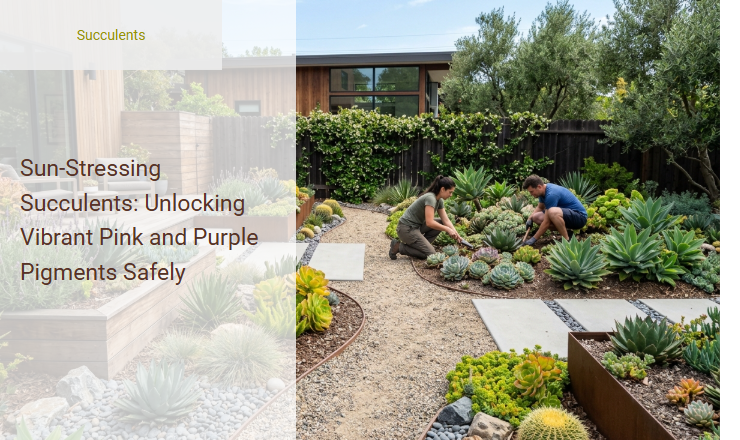
It is a common frustration for succulent enthusiasts: you purchase a brilliantly colored specimen, only to watch its vivid hues fade into a dull, uniform green within weeks of bringing it home. In their native arid habitats, however, these plants have evolved sophisticated defense mechanisms, using environmental shifts to alter their chemistry. By understanding these natural triggers, growers can safely unlock the breathtaking pink, violet, and deep purple pigments dormant within their plants' genetics.
Crucially, successful "sun-stressing" is not a matter of neglect, but a controlled botanical process. While popular varieties like Echeveria 'Lola' and Graptopetalum paraguayense can blush beautifully under targeted exposure, improper light transitions will quickly lead to irreversible sunburn and cellular damage.
This article will examine the biological role of anthocyanin pigments, establish safe environmental thresholds, and provide a systematic, step-by-step acclimation protocol to transition your collection into its most colorful, healthy state.
Read also: Cactus Soil vs Citrus Soil for Drainage Needs
Introduction to Sun-Stressing Succulents
For succulent enthusiasts, witnessing a green rosette transform into a glowing masterpiece of vivid pink, deep purple, or fiery orange is one of the most rewarding aspects of plant care. This striking color transformation is achieved through a popular technique known as sun-stressing.
While the word "stress" often carries a negative connotation, in the botanical world of succulents, it refers to a natural defense mechanism rather than harm or disease. In their native habitats, these resilient plants experience harsh conditions, prompting them to adapt beautifully to protect their delicate tissues. By safely mimicking these conditions, you can unlock a spectacular spectrum of sunset hues without compromising the health of your plants.
The Science Behind the Colors: Anthocyanins and Carotenoids
The secret to succulent color changes lies in a botanical shift of pigments. Under normal, low-light conditions, succulents rely primarily on chlorophyll to absorb sunlight for photosynthesis, which gives them their standard green appearance. However, when exposed to increased sunlight, the plant actively reduces its chlorophyll levels to protect itself from absorbing too much light energy, which could otherwise damage its internal structures.
To shield themselves, succulents produce protective pigments called anthocyanins and carotenoids. Anthocyanins act like a natural sunscreen, filtering out excess radiation and turning the leaves brilliant shades of red, purple, and pink. Meanwhile, carotenoids produce warm shades of yellow, gold, and orange. This biological shift is highly adaptive, allowing the plant to photosynthesize safely while putting on a dazzling visual display.
Top Succulent Varieties Best Suited for Pigment Transformation
While most succulents will show some change under bright light, certain genera are famous for their dramatic, jaw-dropping transformations. If you want to build a highly colorful collection, focus on these top-performing varieties:
- Echeveria: Varieties like 'Perle von Nurnberg' turn a deep, dusty purple, while 'Lola' and 'Rainbow' display stunning pastel pinks and blushing margins.
- Sedum: Popularly known as stonecrop, varieties like Sedum rubrotinctum ('Jelly Beans') turn bright, cherry red under intense sun, earning them the nickname 'Pork and Beans'.
- Graptopetalum: Plants like Graptopetalum paraguayense ('Ghost Plant') shift from a pale, icy blue-gray to a soft, iridescent pinkish-yellow when exposed to bright sunlight.
The Crucial Role of UV Light and Sunlight Intensity
Not all sunlight is created equal when it comes to bringing out the richest pigments in your succulents. The key driver of this color change is ultraviolet (UV) light. While bright, indirect light keeps a succulent healthy, it rarely triggers the intense defense mechanism needed to produce deep red and purple hues. Direct, unfiltered sunlight is necessary to stimulate maximum pigment production.
"Morning sun is incredibly beneficial for color development because it offers high UV exposure with cooler ambient temperatures, making it significantly safer than the scorching afternoon sun which can easily overheat plant tissues."
Acclimation: The Safe Step-by-Step Transition Guide
Moving an indoor or shaded succulent directly into intense, all-day sunlight will result in severe damage. To prevent shock and ensure a safe transition, you must gradually acclimate your plants over a two-week period.
- Days 1 to 3: Place the succulent in a spot that receives only 1 to 2 hours of gentle morning sun, keeping it in bright, indirect shade for the rest of the day.
- Days 4 to 7: Increase direct sun exposure to 3 to 4 hours, ensuring the plant is shielded from the harsh midday sun.
- Days 8 to 11: Move the plant into a location that receives 5 to 6 hours of direct sunlight, monitoring the leaves daily for any signs of stress.
- Days 12 to 14: The succulent is now fully acclimated and can safely remain in its permanent, sunny location for full-day exposure.
Combining Sun with Controlled Temperature and Water Stress
The Triple-Threat Stressing Formula
While sunlight is the primary catalyst for color changes, you can safely amplify these vibrant pinks and purples by combining light exposure with controlled temperature shifts and mild water deprivation.
In nature, many succulents experience chilly nights. Cooler temperatures-ranging between 40°F and 50°F (4°C to 10°C), but strictly above freezing-slow down the plant's metabolic rate and inhibit chlorophyll production, resulting in highly concentrated colors. When you pair these cool temperatures with longer intervals between waterings, the succulent leaves plump down slightly, concentrating the protective pigments even further and locking in those desired sunset tones.
Safe Stress vs. Sunburn: Spotting the Critical Warning Signs
It is crucial to understand the difference between a beautifully stressed, healthy succulent and one that is actively burning. Safe sun-stressing shows up as a uniform color change along the leaf margins, tips, or across the entire rosette, while the leaves remain plump, firm, and structurally sound.
How to Achieve Vibrant Colors Indoors Using Grow Lights
You do not need an outdoor garden to enjoy beautifully stressed succulents. Indoor gardeners can successfully mimic the natural effects of the sun by using specialized artificial lighting setups.
- Select high-output, full-spectrum LED grow lights that output at least 2000 to 3000 lumens.
- Position the lights close to your plants-ideally 4 to 8 inches above the top of the rosettes.
- Keep the lights turned on for 12 to 16 hours a day to provide the high light intensity required to trigger anthocyanin production.
Maintaining the Colors and Reversing the Stress Safely
Stressed coloration is not a permanent state; it is a direct response to environmental factors. If you want to maintain these gorgeous pink and purple hues, you must consistently provide the bright light, cool temperatures, and sparse watering schedule that triggered them in the first place.
If you prefer a softer look or want to give your plant a rest, simply increase your watering frequency and move the succulent to a spot with filtered light. Within a few weeks, the plant will safely ramp up its chlorophyll production, and the leaves will revert to their natural, lush green coloration without any long-term harm to the succulent.
Summary of Best Practices for a Colorful, Healthy Collection
To maintain a visually stunning and robust succulent collection, keep these fundamental guidelines in mind:
- Acclimate gradually: Always take two weeks to transition plants to higher light levels.
- Prioritize morning light: Utilize the cool UV rays of the morning to prevent heat damage.
- Monitor leaf texture: Stressed leaves should remain firm; soft, wrinkled, or scarred leaves indicate a problem.
- Let them dry out: Allow the soil to dry completely between waterings to encourage pigment concentration.
Summary
"Sun-Stressing Succulents: Unlocking Vibrant Pink and Purple Pigments Safely" explores the art and science of safely transforming ordinary green succulents into stunning masterpieces of pink, purple, and red. This captivating color shift is a natural defense mechanism triggered by environmental factors like increased sunlight, temperature fluctuations, and restricted watering, which prompt the plants to produce protective pigments called anthocyanins.
While sun-stressing dramatically enhances a succulent's aesthetic appeal, the article emphasizes that plant health must remain the top priority. To prevent irreversible sunburn and heat damage, growers should acclimate their succulents gradually to brighter conditions, provide crucial afternoon shade, and carefully monitor soil moisture. By mastering this delicate balance of light and care, gardening enthusiasts can safely unlock vibrant, stress-induced hues while ensuring their succulents remain healthy, robust, and beautiful.
Leave a comment