
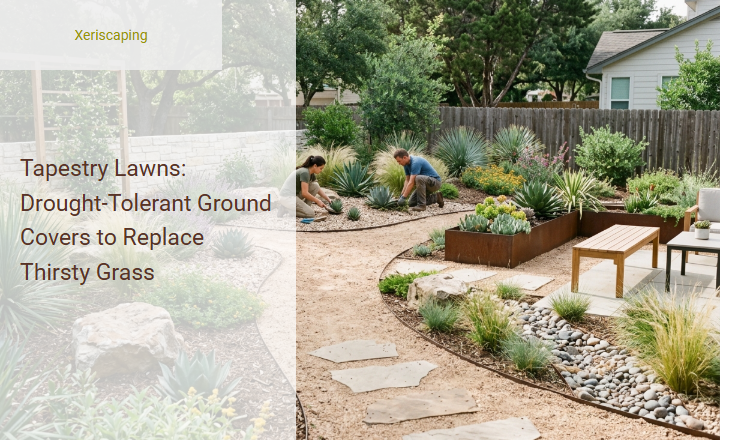
Maintaining a traditional turfgrass lawn has become an increasingly costly struggle, characterized by soaring water bills, relentless mowing schedules, and demanding chemical upkeep. As shifting climate patterns and regional water scarcity force a fundamental reevaluation of our outdoor spaces, homeowners must look beyond conventional grass to more sustainable ecological models.
The tapestry lawn offers a sophisticated, low-mown alternative that slashes irrigation needs while dramatically enhancing local biodiversity. However, transitioning to this system requires a clear understanding of its unique parameters; success depends on thorough initial site preparation and a dedicated weed-suppression phase during establishment.
By integrating a curated matrix of drought-tolerant species like creeping thyme (Thymus serpyllum), Roman chamomile, and microclover, you can create a resilient, walkable carpet. In this guide, we will analyze the ecological benefits of tapestry lawns, identify the top performing species for your soil type, and outline a step-by-step conversion plan.
Read also: Limestone vs Granite for Soil pH Alteration
The Cost of Green: Why Traditional Lawns are Fading
For decades, the pristine, emerald-green lawn has stood as a symbol of suburban success. However, beneath this manicured surface lies a staggering ecological and financial price tag. Maintaining traditional turfgrass demands hundreds of gallons of water weekly, expensive chemical treatments, and endless hours of loud, carbon-emitting mowing. As droughts become more frequent and water rates climb, homeowners are searching for a better way forward.
An innovative, environmentally friendly alternative is gaining ground: the drought-tolerant tapestry lawn. By replacing high-maintenance grass with a carpet of diverse, low-growing plants, you can achieve a gorgeous, resilient landscape that thrives with minimal intervention.
Defining the Tapestry Lawn: A Living Mosaic
Unlike a monoculture turf, a tapestry lawn is a carefully curated community of different low-growing, non-grass perennial species planted closely together. These plants interweave over time, creating a colorful, textured, and ecologically rich ground cover that mimics natural grasslands.
"The tapestry lawn represents a paradigm shift in urban horticulture, turning sterile green deserts into biodiverse, self-sustaining vegetative carpets." - Dr. Lionel Smith, Urban Ecology Researcher
Ecological and Practical Benefits of Grass Alternatives
Switching from standard turf grass to a tapestry of mixed ground covers offers transformative advantages for both the homeowner and the local ecosystem:
- Dramatic Water Savings: These deep-rooting plants require up to 80% less irrigation than traditional grass once established.
- Reduced Mowing: Because the selected species are naturally low-growing, mowing is only needed once or twice a year to tidy up spent blooms.
- Zero Chemical Dependency: The dense planting naturally crowds out weeds, eliminating the need for synthetic herbicides and fertilizers.
- Pollinator Support: The diverse array of seasonal flowers provides essential nectar and pollen for bees, butterflies, and other beneficial insects.
Design Principles: Weaving Colors, Textures, and Heights
Creating an aesthetically pleasing and functional tapestry lawn requires a strategic approach to plant selection. By mimicking natural plant communities, you can build a resilient lawn that stays green and vibrant throughout the seasons.
Matching Environmental and Growth Characteristics
When selecting your plant palette, consider the following essential design principles:
- Choose species with compatible, non-invasive growth rates so one plant does not crowd out the others.
- Vary leaf shapes and textures, blending fine-leaved herbs with broader foliage to create visual depth.
- Coordinate bloom times to ensure a rolling calendar of color from early spring to late autumn.
- Maintain a uniform low-growing habit, keeping plants under four inches in height to preserve a walkable surface.
Vibrant Flowering Ground Covers for Sunny Spots
For open yards that receive full sun, choosing drought-tolerant flowering perennials ensures a spectacular display of color and a delightful fragrance underfoot.
- Creeping Thyme (Thymus serpyllum)
- A highly resilient herb that forms a dense, aromatic carpet. It thrives in poor, well-draining soil and bursts into shades of pink and purple during the summer.
- Roman Chamomile (Chamaemelum nobile)
- Featuring feathery, bright green foliage and small, daisy-like blossoms, this sweet-scented ground cover tolerates light foot traffic and releases an apple-like fragrance when crushed.
- Corsican Mint (Mentha requienii)
- A tight, mat-forming plant that prefers slightly damp but well-drained sunny areas. It produces tiny, lavender-colored flowers and releases a strong peppermint aroma.
Resilient Evergreen and Foliage-First Options
To ensure your landscape remains attractive even when flowers are not in bloom, incorporate hard-wearing, foliage-focused evergreen ground covers. These varieties provide year-round structure and excellent soil coverage.
- Sedum album (White Stonecrop)
- This succulent ground cover holds moisture in its fleshy, green leaves, which often turn reddish-bronze in winter, offering excellent drought resistance and winter interest.
- Brass Buttons (Leptinella squalida)
- Featuring tiny, fern-like leaves with shades of bronze and purple, this incredibly flat-growing plant forms a tight, resilient mat that easily handles moderate foot traffic.
- Snow-in-Summer (Cerastium tomentosum)
- Known for its striking silvery-gray foliage, this vigorous spreader creates a luminous backdrop that contrasts beautifully with darker green species.
Step-by-Step Soil Preparation and Turf Removal
The success of your new tapestry lawn depends heavily on proper site preparation. Removing competing turf and ensuring proper drainage will allow your new ground covers to establish deep, healthy root systems.
- Select your removal method: Opt for eco-friendly sheet mulching by covering the grass with cardboard and a thick layer of compost to naturally smother the turf.
- Test your soil drainage: Dig a small hole, fill it with water, and monitor how quickly it drains; add organic compost or sand if your soil is heavy clay.
- Clear remaining debris: Rake away dead thatch, large rocks, and weeds to create a clean, loose planting bed.
Planting Strategy and Spacing for Optimal Coverage
Once your soil is prepared, the layout of your plants will determine how quickly and evenly they fill in. Instead of planting in rigid rows, aim for a naturalistic mosaic pattern.
Strategic Layout and Plug Spacing
Arrange your plant plugs in informal, overlapping clusters rather than individual, isolated spots. Spacing plugs roughly six to nine inches apart will encourage them to grow together quickly, preventing weeds from establishing in the gaps. Water the area deeply immediately after planting to settle the soil around the young roots, and maintain a consistent watering schedule for the first few weeks as they establish.
Low-Maintenance Care and Seasonal Upkeep
While tapestry lawns require far less work than traditional turf, they are not completely maintenance-free. A simple seasonal routine will keep your living mosaic healthy and neat year after year:
- Light Seasonal Mowing: Run a mower on its highest setting once in late summer to deadhead faded flowers and encourage fresh leaf growth.
- Targeted Hand Weeding: Check the lawn occasionally during spring and summer to pull any opportunistic weeds before they can go to seed.
- Winter Protection: Avoid heavy foot traffic when the ground is frozen to protect the dormant root systems of your evergreen species.
Transitioning to a Sustainable, Biodiversity-Friendly Yard
Embracing a tapestry lawn is more than a design choice; it is an active contribution to a healthier planet. Replacing high-maintenance turfgrass with a resilient, multi-species ground cover transforms your outdoor space into a living ecological haven.
By cultivating a landscape that thrives on rainfall and supports native pollinators, you reduce your environmental footprint while saving valuable time and money. This sustainable shift proves that we do not have to sacrifice visual beauty to protect our precious natural resources.
Summary
Traditional grass lawns are notoriously resource-intensive, requiring constant mowing, chemical fertilizing, and vast amounts of water. "Tapestry lawns" offer an eco-friendly and visually stunning alternative. By replacing uniform turfgrass with a biodiverse mix of low-growing, drought-tolerant ground covers, homeowners can create a vibrant, living mosaic. These lawns utilize a variety of prostrate plants-such as creeping thyme, chamomile, clover, and sedum-which naturally weave together to form a dense, resilient carpet.
Beyond their striking aesthetic appeal, tapestry lawns significantly reduce water consumption and eliminate the need for weekly mowing. Because they incorporate diverse flowering species, they also provide crucial habitat and food sources for local pollinators like bees and butterflies. This sustainable landscaping approach not only slashes maintenance time and utility costs but also fosters a healthier, biodiverse ecosystem that thrives even in dry climates.
Leave a comment