
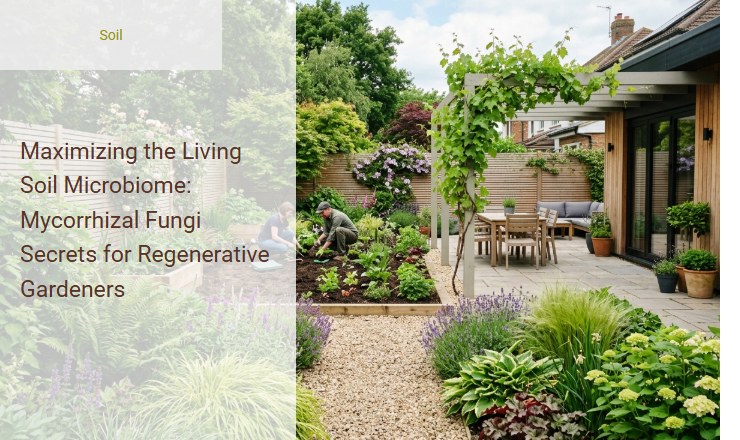
Many regenerative gardeners face the frustrating reality of sluggish plant growth and stubborn nutrient deficiencies, despite pouring endless resources into organic composts and amendments. This struggle often persists because we treat soil as a static repository for nutrients rather than a dynamic biological network. Realizing true soil vitality requires partnering with mycorrhizal fungi-a symbiotic alliance that grants plants unprecedented access to deep-seated water and mineral reserves. However, simply adding spores is not a magic cure; these organisms demand specific soil conditions, such as minimal tillage and reduced chemical interference, to establish effectively. Once active, these fungal networks perform remarkable feats, such as secreting glomalin to build soil structure and unlocking tightly bound phosphorus for rapid plant uptake. In this article, we will examine how to foster these underground allies, manage soil conditions for fungal longevity, and implement practical strategies to maximize your living soil's microbiome.
Read also: Cottonseed Meal vs Soybean Meal for Nitrogen Boost
Unveiling the Underground Ally: An Introduction to Mycorrhizal Fungi
Beneath the surface of every thriving garden lies a complex, invisible ecosystem that dictates the health of the plants above. At the heart of this subterranean world is a remarkable group of organisms known as mycorrhizal fungi. These specialized fungi form a profound, mutually beneficial relationship with plant roots, serving as a biological bridge between the living soil microbiome and the plant kingdom. Instead of operating as isolated entities, plants and fungi collaborate to build a resilient, self-sustaining network.
For regenerative gardeners, prioritizing this symbiotic relationship is not just a beneficial practice; it is an absolute necessity. Traditional agriculture often treats soil as an inert holding medium, relying on synthetic inputs to sustain plant life. In contrast, regenerative gardening recognizes that the soil is a living organism. By fostering mycorrhizal fungi, gardeners tap into millions of years of evolutionary intelligence, unlocking the true potential of the living soil microbiome to grow healthier, more resilient crops without relying on artificial chemicals.
The Wood Wide Web: How the Fungal Highway Works
The biological connection between plant roots and mycorrhizal fungi is one of nature's most sophisticated designs. When a fungal spore germinates in the soil, it sends out microscopic, thread-like filaments called hyphae. These hyphae seek out the growing roots of compatible plants. Once contact is made, the fungus penetrates or wraps around the root cells, establishing a continuous physical connection that functions as an underground biological highway.
This vast network, often referred to as the "Wood Wide Web," does not merely absorb nutrients; it serves as a highly active communication and resource-sharing channel. Through this fungal highway, plants can send warning signals to their neighbors about pest attacks, share excess carbon, and distribute essential life-support resources across different plant species.
"The fungal network acts as a decentralized intelligence system, resourcefully shifting water and vital chemical messages across the entire plant community to ensure collective survival."
Endo vs. Ecto: Understanding the Two Fungal Giants
To effectively harness the power of these organisms, gardeners must understand the two primary categories of mycorrhizal fungi: endomycorrhizae and ectomycorrhizae. These two giants differ significantly in how they physically interface with plant roots and the specific plant families they choose as partners.
- Endomycorrhizae: Also known as arbuscular mycorrhizae, these fungi physically penetrate the cell walls of the plant root, forming highly branched structures called arbuscules directly inside the root cells. They partner with approximately 80 to 90 percent of all land plants, including most vegetables, fruits, annual flowers, and grasses.
- Ectomycorrhizae: These fungi do not penetrate the individual cell walls. Instead, they form a dense sheath, or mantle, around the outside of the root tip and grow between the outer root cells, creating a network known as the Hartig net. They partner primarily with woody trees and shrubs, such as oaks, pines, birches, and beeches.
Supercharged Nutrition: Phosphorus, Water, and Micronutrient Delivery
A plant's root system can only reach a tiny fraction of the surrounding soil. Mycorrhizal fungi solve this limitation by dramatically expanding the functional surface area of the root system, sometimes by up to several hundred percent. The incredibly fine hyphae can slip into microscopic soil pores that are far too small for even the thinnest root hairs to access.
Unlocking Insoluble Nutrients
This expanded reach allows the fungi to scavenge, extract, and deliver critical resources that plants would otherwise miss. Fungal hyphae are highly efficient at mining phosphorus, an essential nutrient that is frequently locked tightly in the soil matrix and unavailable to plants. Additionally, the network serves as an active water sponge, pulling moisture from deep soil layers to keep plants hydrated during dry spells.
Micronutrient Delivery
Beyond phosphorus and water, the fungal highway delivers a steady stream of essential micronutrients, including zinc, copper, and iron. In exchange for this supercharged nutrition, the host plant provides the fungi with carbon compounds manufactured through photosynthesis, completing a perfect, self-regulating biological loop.
Glomalin: The Fungal Super-Glue Building Soil Structure
The benefits of mycorrhizal fungi extend far beyond direct plant nutrition; they are also master architects of the soil itself. As mycorrhizal hyphae grow and die, they secrete a durable, sticky glycoprotein known as glomalin. This compound acts as a literal biological super-glue, binding tiny clay, silt, and sand particles together into stable soil aggregates.
These aggregates are the foundation of healthy soil structure, creating a porous matrix filled with microscopic air pockets and channels. Furthermore, glomalin is incredibly rich in carbon, accounting for a significant portion of the stable organic carbon stored in healthy agricultural soils. By encouraging glomalin production, regenerative gardeners can rapidly improve their soil's water-holding capacity, prevent erosion, and actively sequester atmospheric carbon directly into the earth.
Fungal Foes: Garden Practices That Destroy the Network
Despite their incredible resilience, mycorrhizal networks are highly sensitive to disruption. Many common gardening practices inadvertently destroy these fragile underground alliances, reducing a thriving soil food web back to a sterile medium that requires constant chemical intervention.
- Heavy Tillage: Physically churning the soil rips apart the delicate network of fungal hyphae, shattering the biological highway and forcing the fungi to expend massive amounts of energy to rebuild from scratch.
- Synthetic Fertilizers: High-analysis, quick-release fertilizers-especially those high in soluble phosphorus-signal to the plant that it does not need fungal assistance. As a result, the plant stops feeding carbon to the fungi, causing the network to starve and die.
- Chemical Fungicides: Broad-spectrum chemical fungicides designed to target plant diseases make no distinction between harmful pathogens and beneficial mycorrhizae, effectively wiping out the soil's underground allies.
Fostering the Connection: Best Inoculation Practices
For gardens with depleted, tilled, or chemically treated soils, active intervention is often necessary to reintroduce these vital fungal partners. Utilizing high-quality mycorrhizal inoculants can jumpstart the biological colonization process.
Inoculating Seeds
The most cost-effective time to establish a fungal connection is at the very beginning of a plant's life. Dusting seeds with mycorrhizal powder before planting ensures that the emerging root immediately comes into contact with the fungal spores, allowing the symbiotic relationship to form during early germination.
Inoculating Seedlings and Transplants
When transplanting young seedlings into the garden, apply the inoculant directly to the root ball or sprinkle it into the planting hole. Ensuring direct physical contact between the live roots and the fungal powder is critical for successful colonization.
Treating Established Plants
For established trees, shrubs, or perennials, you can probe narrow holes into the root zone and pour in a diluted liquid mycorrhizal suspension, delivering the active spores directly to the existing root system.
Living Roots, Active Networks: Cover Cropping for Fungal Vitality
Mycorrhizal fungi are obligate biotrophs, meaning they rely entirely on living host plants for their survival and carbon supply. If the soil is left bare after harvest, the fungal network will quickly starve and perish. To maintain a thriving fungal population, gardeners must keep active, living roots in the soil year-round.
Implementing cover crops during transition seasons is the most effective way to keep the network active. Species like cereal rye, oats, crimson clover, and vetch serve as excellent off-season hosts, keeping the fungal highway well-fed, healthy, and fully prepared to support the next cash crop as soon as it is planted in the spring.
Fungal-Friendly Companions: Plant Synergies that Boost Soil Life
Designing a diverse polyculture in the garden can dramatically enhance mycorrhizal activity. Different plant families interact with the underground network in unique ways, and strategic companion planting can optimize the overall health of the soil food web.
Many common crops are highly mycorrhizal-dependent, meaning they form exceptionally strong bonds with the fungi and actively stimulate the network. Combining these plants with other species can help distribute nutrients more evenly throughout the growing area.
- Highly Mycorrhizal Crops: Alliums (onions, garlic, leeks), Solanaceous crops (tomatoes, peppers, eggplants), and legumes (beans, peas) are fantastic fungal partners that rapidly expand the underground network.
- Non-Mycorrhizal Families: Plants in the Brassicaceae family (broccoli, kale, cabbage, radishes) do not form mycorrhizal partnerships. Interplanting these crops with fungal-friendly companions ensures the network remains supported in the garden bed.
Observing the Invisible: Monitoring Your Regenerative Soil Health
Because mycorrhizal fungi operate on a microscopic scale, gardeners cannot easily see the hyphae with the naked eye. However, you can monitor the health of your underground network by observing the visible clues left behind by a thriving ecosystem. Soil that is dark, crumbly, and bound together by a web of fine roots is a clear indication of active glomalin production and structural development.
Above ground, plants supported by a healthy fungal network exhibit vibrant, deep green foliage, improved resistance to drought stress, and a natural ability to withstand pest pressure. By committing to agricultural practices that nourish and protect these underground partners, regenerative gardeners can enjoy a self-sustaining ecosystem that thrives naturally from the ground up.
"A garden that partners with fungi transitions from a system requiring constant life support to a self-regulated, deeply resilient sanctuary of life."
Summary
This insightful guide explores the crucial role of mycorrhizal fungi in fostering a thriving, resilient soil microbiome for regenerative gardeners. These beneficial fungi form symbiotic relationships with plant roots, creating vast underground networks that drastically improve water retention, nutrient absorption, and soil structure. By shifting from chemical-heavy practices to biology-first methods, gardeners can unlock the true potential of their living soil.
The article outlines actionable strategies to maximize these fungal networks, such as practicing no-till gardening, avoiding synthetic fertilizers and fungicides, and keeping living roots in the soil year-round through diverse cover cropping. Additionally, incorporating organic compost and inoculants can jumpstart this natural partnership. Ultimately, nurturing this underground ecosystem reduces the need for expensive external inputs while dramatically boosting plant health, climate resilience, and crop yields for a truly sustainable garden.
Leave a comment